Introduction
ASME B16.3 is the key standard for malleable iron threaded fittings used in low-pressure piping systems. It defines the requirements for Classes 150 and 300 fittings, covering everything from pressure-temperature ratings to dimensions, threading, and coatings. For EPC engineers and procurement professionals, understanding this standard is essential to ensure that fittings meet both design and regulatory requirements.
This article explains the scope of ASME B16.3, highlights critical technical details, and provides practical procurement and inspection guidance.
Scope of ASME B16.3
ASME B16.3 – Malleable Iron Threaded Fittings: Classes 150 and 300 – applies to threaded fittings made of malleable iron. The standard covers:
- Pressure-temperature ratings
- Size and method of designating openings of reducing fittings
- Marking requirements
- Material specifications
- Dimensions and tolerances
- Threading requirements
- Coatings
It is important to note that ASME B16.3 is limited to threaded fittings; it does not cover socket-weld or butt-weld fittings. The standard includes fittings in two pressure classes: Class 150 and Class 300. These classes define the pressure-temperature ratings that the fittings can withstand.
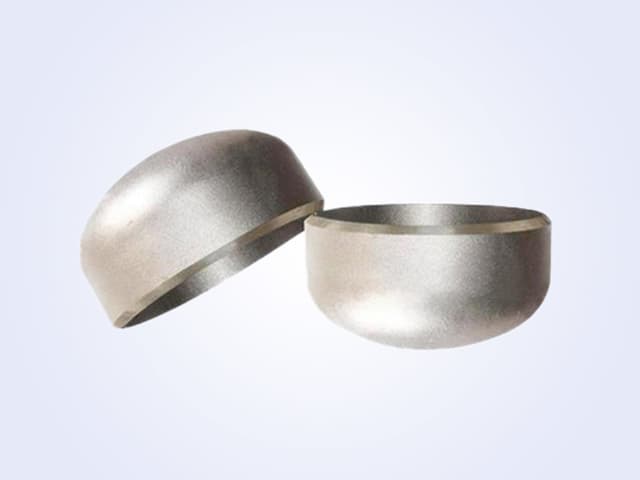
One notable provision: the standard permits the use of steel for Class 150 caps and couplings in sizes NPS 3/8 and smaller. This is an exception to the general malleable iron requirement, so buyers should verify the actual material used for these small components.
Key Technical Requirements
Material
Fittings under ASME B16.3 must be made of malleable iron. Malleable iron is a heat-treated cast iron that offers improved ductility and impact resistance compared to gray iron. It is not the same as gray iron, ductile iron, or forged steel. Buyers should ensure that the material specified in the purchase order matches the standard's requirements.
Threading
Threading must conform to ASME B1.20.1 – Pipe Threads, General Purpose, Inch. This standard covers NPT, NPSC, NPTR, NPSM, and NPSL threads. For ASME B16.3 fittings, the most common thread type is NPT (National Pipe Taper). Thread dimensions and gaging requirements are defined in B1.20.1, and fittings must be threaded to these specifications.
Dimensions and Tolerances
ASME B16.3 specifies exact dimensions for each fitting type and size, including center-to-end dimensions, wall thicknesses, and thread lengths. Tolerances are provided to ensure interchangeability and proper assembly. Dimensional verification is a critical part of inspection.
Coatings
Fittings may be supplied with coatings such as galvanizing or other protective finishes. The standard includes provisions for coatings, but the specific coating type and thickness should be agreed upon between buyer and seller. Coatings can affect thread gaging, so this must be considered during inspection.
Marking
Each fitting must be marked with the manufacturer's name or trademark, the pressure class (150 or 300), and other required information as per the standard. Marking must be legible and durable.
Procurement Checks
When sourcing ASME B16.3 malleable iron fittings, consider the following:
- Material verification: Ensure the fittings are made of malleable iron, not gray iron or ductile iron. Request material test certificates (MTCs) that confirm the material grade.
- Thread gaging: Verify that threads conform to ASME B1.20.1. Ask for thread gaging reports or perform random checks with calibrated gages.
- Coating specification: Specify the required coating (e.g., hot-dip galvanized) and thickness. Confirm that the coating does not interfere with thread gaging.
- Pressure-temperature ratings: Confirm that the class (150 or 300) meets your system's design conditions. Refer to the standard's rating tables.
- Marking: Check that fittings are marked correctly per ASME B16.3.
RFQ Inputs
When preparing a request for quotation (RFQ), include the following:
- Standard designation: ASME B16.3
- Class: 150 or 300
- Fitting types and sizes (e.g., 90° elbow, tee, coupling, cap)
- Material: malleable iron (or steel for small caps/couplings if allowed)
- Thread type: NPT (or as required)
- Coating: specify if needed
- Quantity and packaging requirements
- Required documentation: MTCs, inspection reports, etc.
Inspection and Documentation
During inspection, verify:
- Dimensional compliance: Measure critical dimensions using calibrated tools and compare to ASME B16.3 tables.
- Thread quality: Use thread gages to check taper, pitch, and depth.
- Material identification: Perform PMI (Positive Material Identification) if required, to confirm malleable iron.
- Coating thickness: Measure coating thickness if specified.
- Marking: Ensure all required markings are present and legible.
Request the following documents:
- Material test certificates (MTCs) per EN 10204 3.1 or 3.2, as applicable
- Dimensional inspection reports
- Thread gaging reports
- Coating certificates (if applicable)
Common Risks and How to Mitigate
- Material substitution: Some suppliers may offer gray iron or ductile iron as a substitute. Always verify material certificates and perform PMI if necessary.
- Thread non-conformance: Threads may not meet B1.20.1 due to manufacturing errors or coating buildup. Insist on thread gaging reports.
- Coating issues: Excessive coating thickness can cause thread gaging failures. Specify coating limits and inspect accordingly.
- Incorrect class: Fittings may be supplied with the wrong pressure class. Check markings and documentation.
Conclusion
ASME B16.3 is a comprehensive standard for malleable iron threaded fittings. By understanding its scope and requirements, procurement professionals can ensure that fittings are suitable for their intended service. Always verify material, threading, dimensions, and coatings, and require proper documentation.
For more information on pipe fittings and flanges, visit our products page or contact us for assistance.
Sources
- https://www.asme.org/codes-standards/find-codes-standards/b16-3-malleable-iron-threaded-fittings-classes-150-300
- https://www.asme.org/codes-standards/find-codes-standards/b1201-pipe-threads-general-purpose-inch
هل تحتاج عرض سعر للمنتجات المذكورة في المقال؟
أرسل المواصفات وسيرد فريقنا خلال يوم عمل واحد.
إرسال طلب عرضعرض سعر خلال 4 ساعات
المنتجات المذكورة في هذا المقال
هل تشتري أيًا منها؟ أرسل المواصفات وسيرد فريقنا خلال 4 ساعات عمل.
قراءات ذات صلة
 المعايير
ASME B16.14 Pipe Plugs, Bushings and Locknuts Explained
ASME B16.14 covers ferrous pipe plugs, bushings, and locknuts with pipe threads, including ratings, dimensions, materials, and marking. This guide explains the standard's scope, key differences from ASME B1.20.1, and what buyers must verify to avoid specification errors.
 المعايير
ASME B16.1 Gray Iron Flanges: Classes 25, 125 and 250
ASME B16.1 covers gray iron flanges and flanged fittings in Classes 25, 125, and 250. This guide explains what the standard includes, how it differs from ductile iron (B16.42), and what buyers must verify when sourcing gray iron flanges.
 المعايير
ASME B16.49 Induction Bends: Scope and Procurement Guide
ASME B16.49 covers factory-made induction bends for transportation and distribution piping (B31.4, B31.8, B31.11). It is not for process or power piping. This guide explains scope, key requirements, and procurement checks.