Ruwais LNG: A Benchmark for Electrified LNG
ADNOC's Ruwais LNG project is set to become one of the world's largest LNG export facilities powered entirely by clean energy. With a planned capacity of 9.6 million tonnes per year (mtpa), the project is a cornerstone of ADNOC's low-carbon growth strategy. Recent critical equipment awards, valued at over USD 400 million, highlight the project's technological direction—particularly the use of 75 MW electric motor-driven compressors for the LNG trains.
For EPC engineers and procurement managers, this development is more than a headline. It signals a broader industry shift toward electrified liquefaction, which brings new challenges in power supply, equipment specification, and supply chain management. Understanding these trends is essential for those involved in similar projects or supplying components to them.
What the Awards Tell Us About Electrified LNG
The equipment awards for Ruwais LNG focus on compressors driven by 75 MW electric motors. This is a significant departure from traditional gas turbine-driven compressors. Electric motors offer lower emissions, especially when paired with clean power sources, aligning with ADNOC's commitment to reducing carbon intensity.
For procurement professionals, this means:
- Power Infrastructure: Electrified LNG plants require robust electrical infrastructure, including high-voltage switchgear, transformers, and variable frequency drives (VFDs). Buyers must ensure that suppliers have experience with large electric motor systems.
- Equipment Sizing: The 75 MW motor size is substantial. It requires careful selection of compressors, couplings, and gearboxes to handle the torque and speed requirements. Buyers should verify that manufacturers have proven track records with such large equipment.
- Reliability and Maintenance: Electric motors have different maintenance profiles compared to gas turbines. Procurement strategies should include long-term service agreements and spare parts planning.
Procurement Implications for EPC Buyers
While Ruwais LNG is a specific project, its procurement patterns offer lessons for EPC buyers working on similar LNG or petrochemical projects. Here are key considerations:
1. Specifying Electric Motor-Driven Compressors
When specifying compressors with large electric motors, buyers must define:
- Motor rating: Confirm the exact power requirement (e.g., 75 MW) and whether it's continuous or intermittent.
- Starting method: Soft starters, VFDs, or direct-on-line? This affects electrical system design.
- Standards: Reference API 617 for compressors and IEC or NEMA for motors.
- Testing: Require performance tests, mechanical run tests, and possibly full-load tests if feasible.
2. Supply Chain and Lead Times
Large electric motors and compressors are long-lead items. Buyers should:
- Early engagement: Involve suppliers during FEED to lock in specifications and lead times.
- Qualification: Ensure suppliers have manufacturing capacity and experience with similar sizes.
- Risk mitigation: Consider dual sourcing for critical components or securing capacity reservations.
3. Quality and Inspection
For critical equipment, inspection is paramount. Key points include:
- Material certifications: Verify that all materials meet specified standards (e.g., ASTM, EN).
- NDT: Require appropriate non-destructive testing (e.g., UT, RT) on welds and castings.
- Performance testing: Witness tests at the factory, including mechanical run tests and performance curves.
- Documentation: Ensure complete documentation, including data books, MTCs, and as-built drawings.
4. Integration with Piping Systems
Compressors are connected to extensive piping systems. Buyers must ensure that piping components—such as fittings and flanges—are compatible with the process conditions. For LNG service, this often means low-temperature materials like stainless steel or 9% nickel steel. For high-pressure applications, forged fittings and flanges are common.
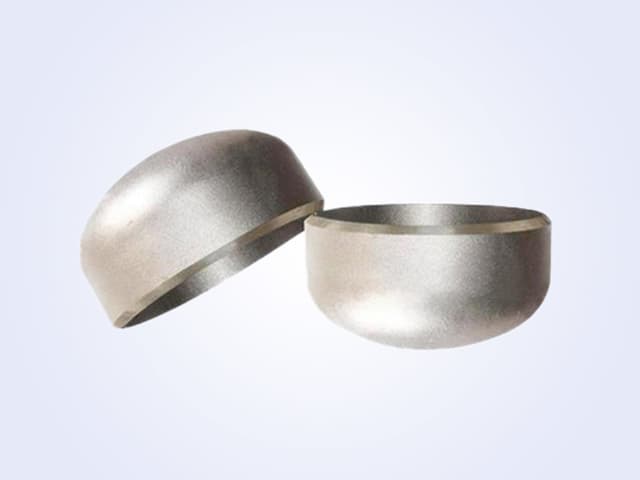
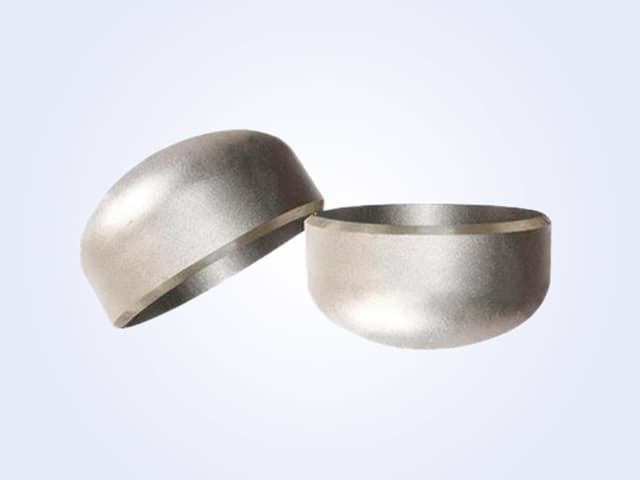
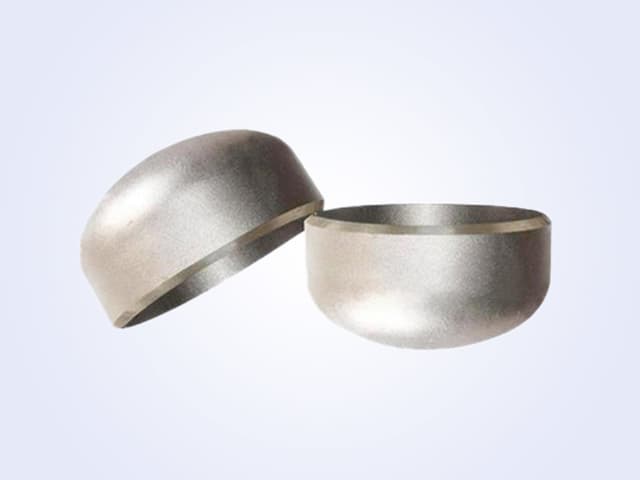
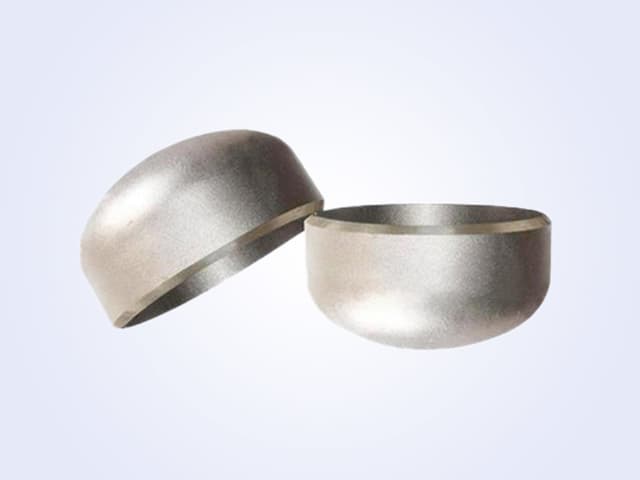
At Hebei Haihao Group, we provide a wide range of prefabricated piping and installation solutions, as well as seamless butt-welding pipe fittings that meet international standards. While we are not involved in Ruwais LNG, our products are designed for demanding applications like LNG and petrochemical plants.
RFQ Inputs for Electrified LNG Projects
When preparing RFQs for equipment or piping components for electrified LNG projects, include:
- Project specifications: Process conditions, design codes, and environmental requirements.
- Equipment data sheets: For compressors, include flow, pressure, temperature, and power requirements.
- Piping class: Specify material grades, wall thickness, and end connections.
- Quality requirements: NDT levels, testing standards, and documentation needs.
- Delivery schedule: Clearly state required delivery dates and penalties for delays.
Common Risks and How to Mitigate Them
- Technology risk: Electric motor-driven compressors are less proven than gas turbines in some regions. Mitigate by selecting suppliers with reference installations.
- Power supply risk: Ensure that the plant's power grid can handle the load. This may involve coordination with local utilities.
- Supply chain risk: Long lead times and limited suppliers for large motors. Mitigate by early ordering and regular progress tracking.
- Cost overruns: Electrification may require additional electrical infrastructure. Include these costs in the project budget.
What Buyers Must Verify
Given the limited public information on Ruwais LNG's equipment details, buyers should verify:
- Current project status: Check ADNOC's official releases for updates on awards and construction milestones.
- Equipment specifications: Confirm exact motor ratings, compressor types, and auxiliary systems with the project team.
- Supplier qualifications: For any equipment, request references and proof of similar installations.
Conclusion
The Ruwais LNG equipment awards underscore the industry's move toward electrified liquefaction. For EPC buyers, this means adapting procurement strategies to handle large electric motors, ensuring robust power infrastructure, and maintaining rigorous quality standards. By staying informed and proactive, buyers can successfully navigate these changes.
Sources
Χρειάζεστε προσφορά για τα προϊόντα που αναφέρονται στο άρθρο;
Στείλτε τις προδιαγραφές σας και η ομάδα σωληνώσεων υπό πίεση θα απαντήσει εντός μίας εργάσιμης ημέρας.
Αποστολή RFQΠροσφορά σε 4 ώρες
Προϊόντα που καλύπτει το άρθρο
Χρειάζεστε προσφορά; Στείλτε τις προδιαγραφές και η ομάδα μας απαντά σε 4 εργάσιμες ώρες.
Σχετικά αναγνώσματα
 Νέα του κλάδου
Manatee Gas FID in Trinidad and Tobago: A Source-Checked LNG Feedgas Update
Shell's July 2024 FID for the Manatee gas development in Trinidad and Tobago signals continued investment in LNG feedgas. This update outlines what is verified, what remains to be checked, and how EPC buyers can align procurement with evolving project timelines.
 Νέα του κλάδου
Hammerhead FID: Guyana's Seventh Offshore Development in the Official Record
ExxonMobil has taken FID on the Hammerhead project offshore Guyana, the seventh development on the Stabroek block. With a capacity of 150,000 bopd and a $6.8 billion investment, production is expected in 2029. This article outlines the key facts and procurement implications for piping suppliers.
 Νέα του κλάδου
Uaru Approval and the Fifth Stabroek FPSO Development: Official Facts for Buyers
ExxonMobil's Uaru project, the fifth Stabroek development, received final investment decision in April 2023. This article provides verified facts for procurement and engineering professionals, including capacity, investment, and timeline, with guidance on what to verify.