Why this matters
For stainless piping, the decision usually narrows to ASTM A312 vs A790: austenitic 304/316L family or duplex 22Cr / super duplex 25Cr family. The wrong call is expensive in two directions: an austenitic pipe in chloride seawater service can suffer stress-corrosion cracking within months, while a duplex pipe used at high temperature can lose toughness through intermetallic precipitation. This guide covers the practical procurement decisions.
Scope comparison
| Aspect | ASTM A312 | ASTM A790 |
|---|---|---|
| Microstructure | Austenitic stainless steel | Ferritic-austenitic (duplex) stainless steel |
| Typical grades | TP304/304L, TP316/316L, TP321, TP347, TP310 | UNS S31803/S32205 (22Cr duplex), S32750/S32760 (25Cr super duplex), S32304 (lean duplex) |
| Manufacturing | Seamless and welded | Seamless and welded |
| Heat treatment | Solution annealed | Solution annealed and water quenched (mandatory) |
| Yield strength (typical) | TP316L around 170 MPa min | S32205 around 450 MPa min (roughly double) |
| Chloride SCC resistance | Susceptible (especially 304/304L) | High resistance |
| Upper temperature | TP316 commonly used to 800 degrees C+ for non-pressure parts | Duplex grades are generally not used above about 300 degrees C due to 475 degrees C embrittlement risk |
| Lower temperature | Austenitic is excellent at cryogenic temperatures | Duplex toughness drops rapidly below about -50 degrees C; check grade-specific limits |
Key differences
- Strength: A790 duplex grades have roughly double the yield strength of A312 TP316L, allowing thinner walls for the same pressure.
- Chloride SCC: Duplex offers materially better resistance to chloride stress-corrosion cracking than austenitic 304/316L.
- Temperature limits: Duplex is restricted on the upper end (around 300 degrees C) by 475 degrees C embrittlement and sigma phase. Austenitic is restricted on the lower-cost end if chlorides are present.
- Welding: Duplex welding requires controlled heat input and root gas to preserve phase balance; austenitic welding is more forgiving.
- Cost: Duplex is generally a higher per-kg cost than 316L, partially offset by thinner walls.
When to choose which
- Clean process service, fresh water, light chemicals, food and pharma: ASTM A312 TP304L / TP316L is the workhorse.
- High temperature (creep range): Austenitic grades like TP321, TP347 or stabilised grades.
- Seawater, brine, produced water, offshore topsides, desalination: ASTM A790 22Cr duplex (S32205) or 25Cr super duplex (S32750).
- Cryogenic LNG: Austenitic stainless or 9 percent nickel; not duplex.
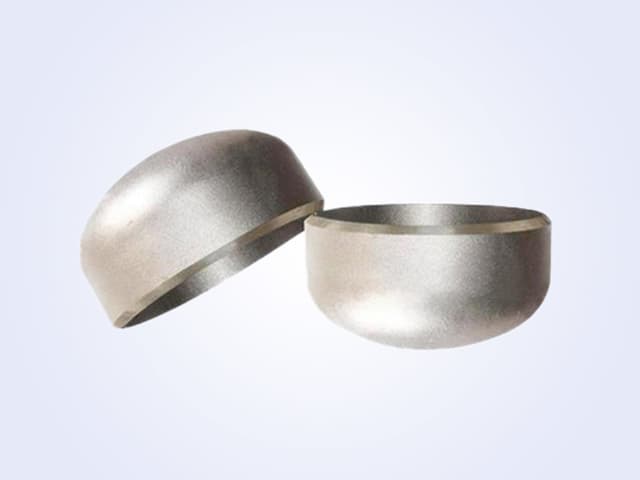
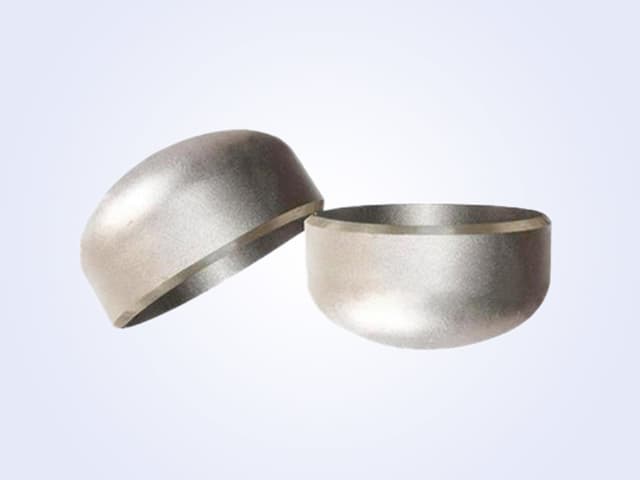
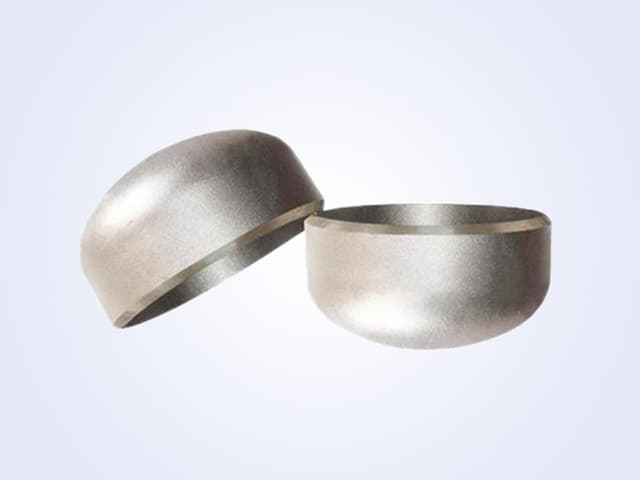
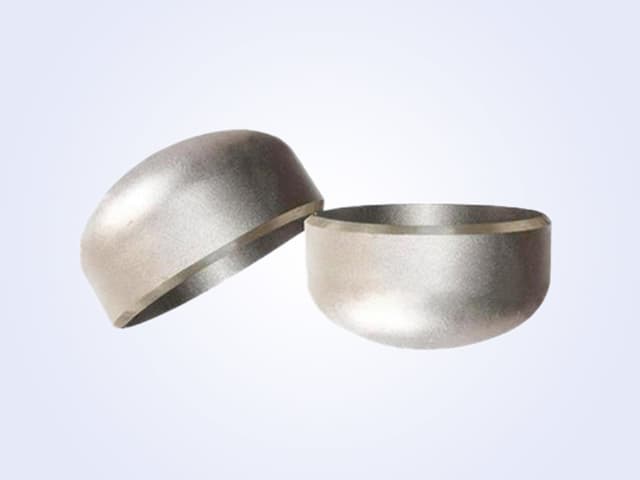
We supply A312 and A790 seamless steel pipes with matching butt-welding pipe fittings and forged flanges from coordinated heats.
Procurement / spec checklist
- State the standard, grade, size, schedule and condition. Example: "ASTM A312 TP316L, NPS 6 Sch 40S, seamless, solution annealed, pickled" or "ASTM A790 UNS S32205, NPS 8 Sch 40S, seamless, solution annealed and water quenched".
- For duplex, require ferrite/austenite phase balance reporting and ASTM G48 corrosion test.
- State the design temperature; verify it is inside the safe operating window for the chosen grade.
- Specify NDE level: hydrostatic test or eddy current per the standard.
- Require EN 10204 3.1 or 3.2 MTRs.
- For NORSOK projects, require NORSOK M-650 manufacturer qualification on top of ASTM compliance.
- Reference the latest published edition of the ASTM standard.
Need mixed A312 and A790 line packs quoted? Send the line list via our inquiry page.
Sources
- https://blog.projectmaterials.com/pipes/stainless-pipes-a312-a790/
- https://blog.projectmaterials.com/pipes/pipe-materials/astm-materials-stainless-duplex-pipes/
- https://ssmalloys.com/astm-a790-specificatioin/
- https://www.octalsteel.com/resources/astm-a312-tp304-tp316-ss-pipe/
Need a quote for the products mentioned in this article?
Submit your specs and our pressure piping team will respond within one business day.
Send RFQQuote in 4 hours
Products covered in this article
Sourcing any of these? Send the spec and our pressure-piping desk replies within 4 business hours.
Related reading
 Standards
ASME B16.14 Pipe Plugs, Bushings and Locknuts Explained
ASME B16.14 covers ferrous pipe plugs, bushings, and locknuts with pipe threads, including ratings, dimensions, materials, and marking. This guide explains the standard's scope, key differences from ASME B1.20.1, and what buyers must verify to avoid specification errors.
 Standards
ASME B16.1 Gray Iron Flanges: Classes 25, 125 and 250
ASME B16.1 covers gray iron flanges and flanged fittings in Classes 25, 125, and 250. This guide explains what the standard includes, how it differs from ductile iron (B16.42), and what buyers must verify when sourcing gray iron flanges.
 Standards
ASME B16.49 Induction Bends: Scope and Procurement Guide
ASME B16.49 covers factory-made induction bends for transportation and distribution piping (B31.4, B31.8, B31.11). It is not for process or power piping. This guide explains scope, key requirements, and procurement checks.