Introduction
Butt-weld pipe fittings are the backbone of heavy industry piping systems. For procurement engineers and EPC contractors, selecting the right fittings is critical to ensure system integrity under high pressure, temperature, and corrosive conditions. This guide outlines key factors to consider when sourcing butt-weld fittings for projects in oil & gas, chemical, and power generation.
Understanding Butt-Weld Fittings
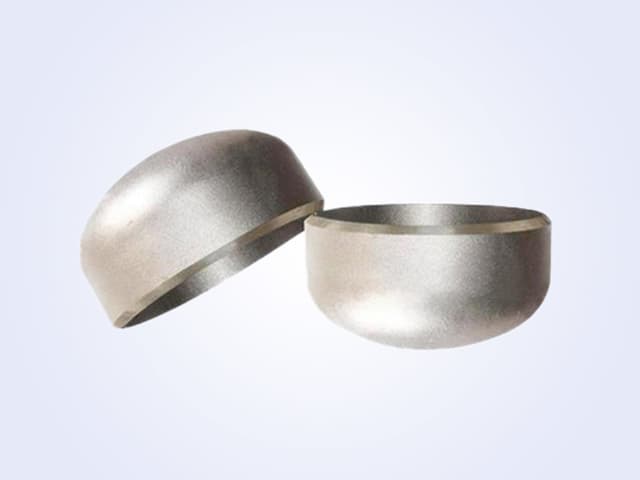
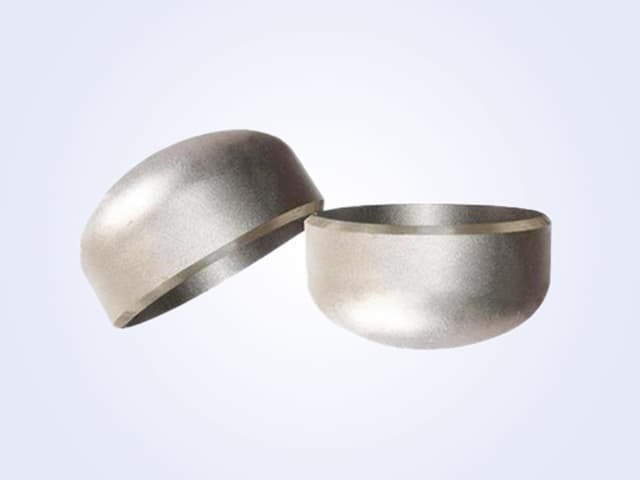
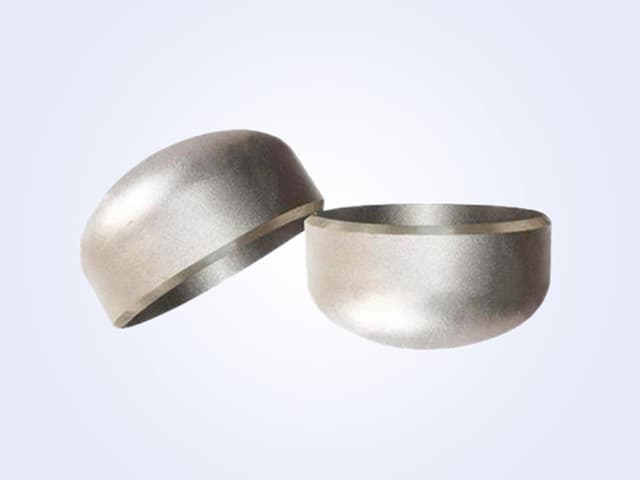
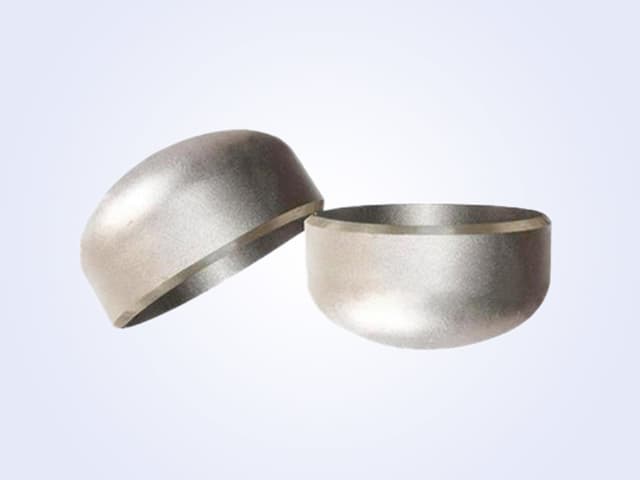
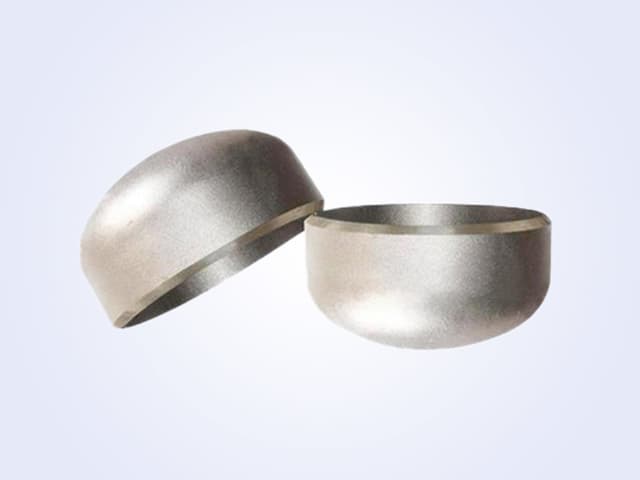
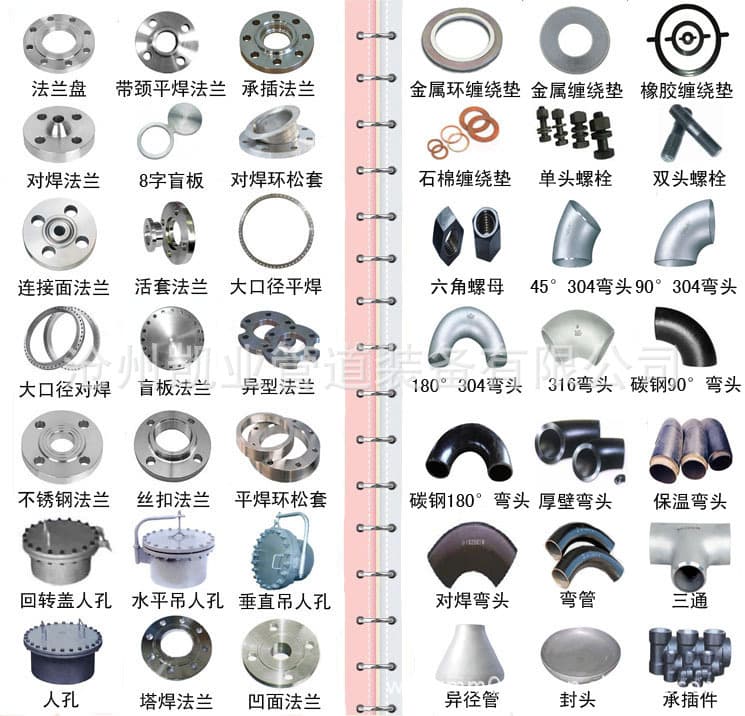
Butt-weld fittings are joined to pipes by welding the ends together, creating a continuous, leak-proof connection. Common types include elbows, tees, reducers, caps, and stub ends. They are typically manufactured to ASME B16.9 (factory-made wrought fittings) or MSS SP-75 (high-strength fittings). Materials range from carbon steel (ASTM A234 WPB) to stainless steel (ASTM A403) and alloys for extreme service.
Key Applications in Heavy Industry
- Oil & Gas: Butt-weld fittings are used in upstream, midstream, and downstream piping to handle crude oil, natural gas, and refined products. Their ability to withstand high pressures and temperatures makes them indispensable in flow lines, manifolds, and processing units.
- Chemical and Petrochemical: Many chemical processes involve corrosive fluids and high temperatures. Butt-weld fittings made from stainless steel or nickel alloys resist chemical attack and maintain structural reliability.
- Power Generation: In thermal and nuclear power plants, butt-weld fittings are used in steam, cooling water, and fuel systems. The welded joints reduce potential leak paths and enhance system safety.
Critical Standards to Confirm
When sourcing butt-weld fittings, verify compliance with the following standards:
- Design and dimensions: ASME B16.9 (standard butt-weld fittings) or MSS SP-75 (large-diameter fittings). Ensure the fitting schedule matches the pipe schedule (e.g., Sch 40, Sch 80, XXS).
- Material specifications: ASTM A234 (carbon steel), A403 (stainless steel), A420 (low-temperature carbon steel), or B366 (nickel alloys). Check heat number and chemical composition.
- Testing standards: Hydrostatic testing per ASME B16.9 is optional but recommended for critical service. NDT methods such as radiography (RT), ultrasonic (UT), or magnetic particle (MT) may be required by project specs.
- Dimensional tolerance: Confirm end bevel angle (usually 37.5°), wall thickness, and out-of-roundness per applicable standard.
Quality Risks and Inspection Documents
Common quality issues include:
- Lack of fusion or incomplete penetration in the weld zone due to improper bevel preparation.
- Material substitution – an unscrupulous supplier may use a lower-grade material. Request material test reports (MTRs) from the mill.
- Improper heat treatment – stress relieving (post-weld heat treatment) may be required for thick-wall or alloy fittings.
- Dimensional errors – mismatched schedules or incorrect bend radius cause stress concentrations during installation.
Essential documents to request for quality assurance:
- Material Test Reports (MTRs) / EN 10204 3.1 certificate.
- Dimensional inspection report.
- Pressure test certificate (if specified).
- Positive Material Identification (PMI) report for alloy fittings.
- Certification of compliance to project-specific standards.
RFQ Checklist: What to Send Before Quotation
To receive accurate pricing and lead times, include the following in your RFQ:
- Pipe details: nominal size, schedule, material grade, and end preparation (bevel, plain, etc.).
- Design conditions: design temperature, design pressure, and service fluid (if corrosive, specify exposure).
- Fitting types and quantity: add a bill of materials with preferred standard (ASME, MSS).
- Additional requirements: NDT methods, coating (e.g., FBE, galv), marking (per ASTM or project spec), and packaging for export.
- Project timeline: expected delivery date and any penalties for late delivery.
Clear specifications reduce the risk of receiving non-conforming products and prevent costly project delays.
Conclusion
Butt-weld fittings are a small but vital part of heavy industry piping. By adhering to recognized standards, verifying material quality, and providing detailed RFQs, procurement professionals can ensure safe and reliable operation of their systems. Partner with a manufacturer that has experience in heavy industry projects and can supply certified fittings on time.
Ready to Source Butt-Weld Fittings?
Hebei Haihao Group specializes in manufacturing butt-weld fittings for global heavy industry projects. Our products comply with ASME, MSS, ASTM, and EN standards. Send us your RFQ with your specific requirements, and we will provide a competitive quotation with full documentation.
Need a quote for the products mentioned in this article?
Submit your specs and our pressure piping team will respond within one business day.
Send RFQQuote in 4 hours
Products covered in this article
Sourcing any of these? Send the spec and our pressure-piping desk replies within 4 business hours.
Related reading
 Buyer guide
Hydrogen Piping Components: What an ASME B31.12 RFQ Must Define
ASME B31.12 governs hydrogen piping and pipelines. This guide explains what EPC engineers and procurement managers must specify in an RFQ for seamless pipes and socket-weld forged fittings, covering code parts, material verification, and inspection requirements.
 Buyer guide
Buttweld Spool Fit-Up: Coordinating ASME B16.9 Fittings and B16.25 Ends
Learn how to coordinate ASME B16.9 fittings with B16.25 bevel ends for reliable buttweld spool fit-up. Includes procurement checks, inspection points, and common risks.
 Buyer guide
Valve End Connections and Mating Flanges: A B16.34 and B16.5 Buying Guide
Understand how ASME B16.34 and B16.5 interact for valve-to-flange compatibility. Learn key procurement checks, RFQ inputs, and inspection points to avoid mismatches.