Introduction
For global EPC projects and industrial pipeline systems, butt-weld fittings are critical components that directly impact safety, reliability, and long-term performance. As a procurement engineer, ensuring the quality of these fittings requires more than just a certificate. This guide provides a practical framework to evaluate and select high-quality butt-weld fittings, covering essential standards, required documentation, and submission requirements.
Key Standards to Confirm
Before issuing an RFQ, you must specify the applicable standards. The most common for butt-weld fittings include:
- ASTM A234 / ASME SA234 – Standard specification for wrought carbon steel and alloy steel fittings for moderate and high temperature service.
- ASTM A403 / ASME SA403 – Standard specification for wrought austenitic stainless steel fittings.
- ASTM A420 / ASME SA420 – Standard specification for wrought carbon steel and alloy steel fittings for low-temperature service.
- MSS SP-75 – Specification for high-test, wrought, butt-welding fittings.
- ASME B16.9 – Factory-made wrought butt-welding fittings.
- ASME B16.25 – Butt-welding ends standard.
Ensure your supplier's fittings comply with the required edition of these standards and that material grades match your pipe specifications (e.g., ASTM A106 Gr. B pipe pairs with A234 WPB fitting).
Essential Inspection Documents
Demand the following documents as part of your quality assurance package:
- Material Test Reports (MTRs) – Certificates from the mill showing chemical composition and mechanical properties.
- Heat Treatment Certificates – Documentation of post-weld or stress-relief heat treatment if required.
- Non-Destructive Testing (NDT) Reports – Including ultrasonic, radiographic, or dye-penetrant testing, depending on the service condition.
- Positive Material Identification (PMI) Reports – For alloy or stainless steel fittings, verify that the material chemistry matches the certification.
- Certificate of Compliance (CoC) – Signed statement confirming adherence to specified standards.
RFQ Checklist for Butt-Weld Fittings
To receive accurate and comparable quotes, provide the following details in your request:
- Size (nominal pipe size, NPS or DN)
- Schedule / wall thickness (e.g., Sch 40, Sch 80, Sch 160)
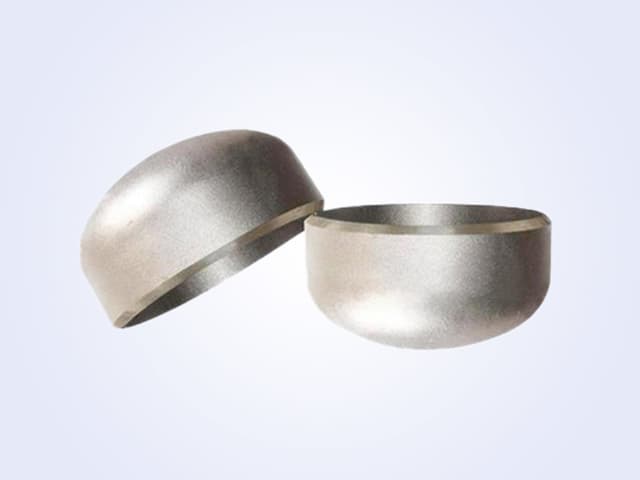
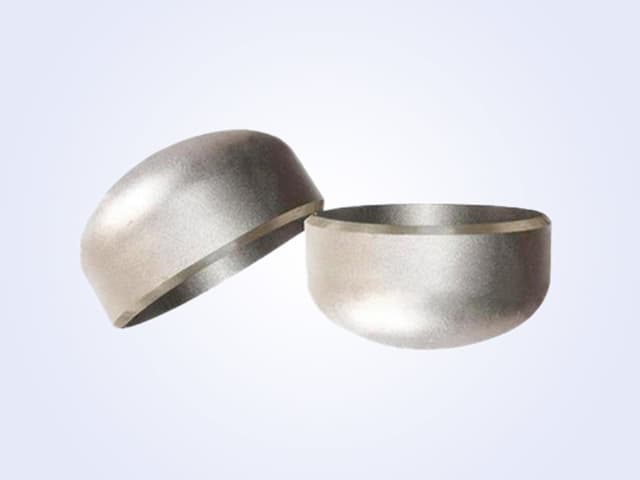
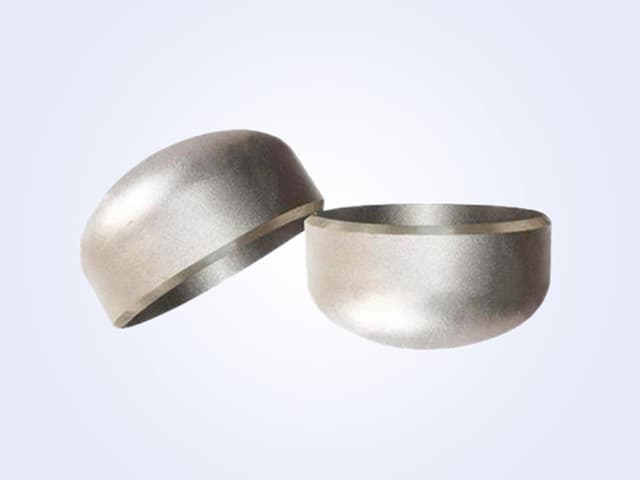
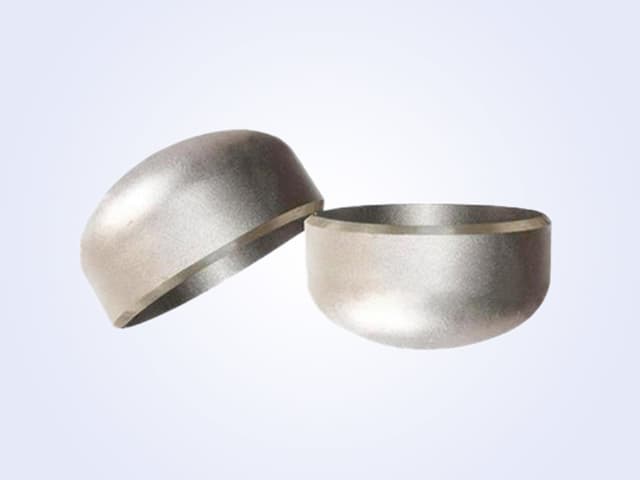
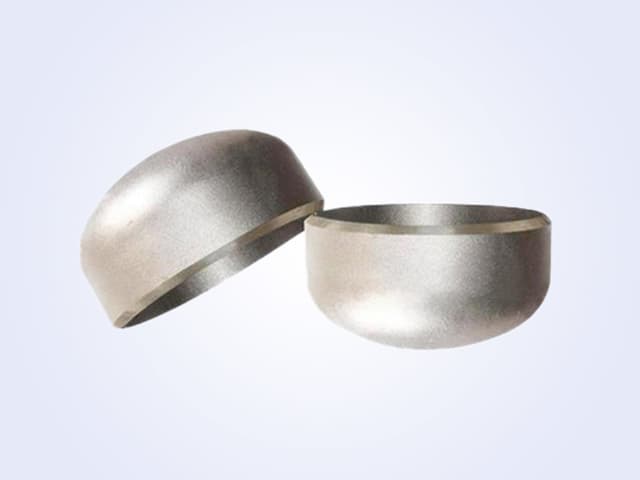
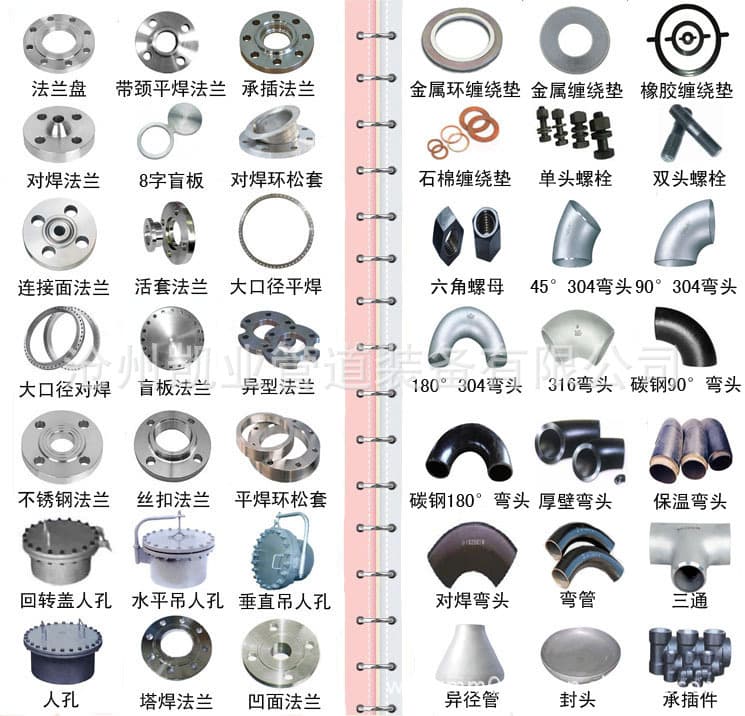
- Fitting type (elbow, tee, reducer, cap, etc.)
- Material grade (e.g., A234 WPB, A403 WP316)
- Standard (ASME B16.9, MSS SP-75, etc.)
- End type (beveled for butt weld)
- Quantity (with unit)
- Special testing or certification requirements (PMI, NDT, hydrotest)
- Delivery terms and timeline
Quality Risks to Watch For
Common quality issues in butt-weld fittings include:
- Weld defects – Porosity, slag inclusions, or incomplete fusion at the seam (for fabricated fittings).
- Dimensional deviations – Out-of-tolerance wall thickness, ovality, or end bevel angle.
- Material mismatch – Using lower-grade material than specified, or incorrect heat treatment.
- Surface defects – Laps, pits, or scratches that can become stress risers.
- Improper marking – Missing or non-compliant traceability markings (e.g., ASTM, material grade, heat code).
Mitigate these risks by requiring third-party inspection or in-process checks at the manufacturer's facility.
What to Send Before Quotation
To help the supplier provide a complete and accurate quotation, you should communicate:
- Project name and end user (if confidential, provide service environment details)
- Design pressure and temperature
- Fluid medium (if corrosive or high-purity)
- Applicable code and client specifications
- Any required approvals (e.g., ABS, DNV, Lloyd's) for offshore or classified projects
- Sample of RFQ template or preferred format
Providing this upfront reduces back-and-forth delays and ensures the proposal covers all compliance points.
Conclusion
Quality assurance for butt-weld fittings starts with clear specification and rigorous documentation. By confirming standards, requesting complete inspection files, and including detailed requirements in your RFQ, you minimize risk and ensure the fittings perform as intended.
Hebei Haihao Group specializes in manufacturing butt-weld fittings to international standards, with full traceability and third-party inspection support. For a reliable supply for your next project, contact us with your RFQ details.
Need a quote for the products mentioned in this article?
Submit your specs and our pressure piping team will respond within one business day.
Send RFQQuote in 4 hours
Products covered in this article
Sourcing any of these? Send the spec and our pressure-piping desk replies within 4 business hours.
Related reading
 Buyer guide
Hydrogen Piping Components: What an ASME B31.12 RFQ Must Define
ASME B31.12 governs hydrogen piping and pipelines. This guide explains what EPC engineers and procurement managers must specify in an RFQ for seamless pipes and socket-weld forged fittings, covering code parts, material verification, and inspection requirements.
 Buyer guide
Buttweld Spool Fit-Up: Coordinating ASME B16.9 Fittings and B16.25 Ends
Learn how to coordinate ASME B16.9 fittings with B16.25 bevel ends for reliable buttweld spool fit-up. Includes procurement checks, inspection points, and common risks.
 Buyer guide
Valve End Connections and Mating Flanges: A B16.34 and B16.5 Buying Guide
Understand how ASME B16.34 and B16.5 interact for valve-to-flange compatibility. Learn key procurement checks, RFQ inputs, and inspection points to avoid mismatches.