Introduction
For procurement engineers and industrial buyers selecting pipe fittings for high-pressure or high-temperature systems, understanding the differences between butt weld, threaded, and flanged fittings is critical. Each type serves distinct applications, and the wrong choice can lead to leaks, failures, or costly maintenance. This guide provides a practical comparison to help you make informed decisions.
Connection Methods and Integrity
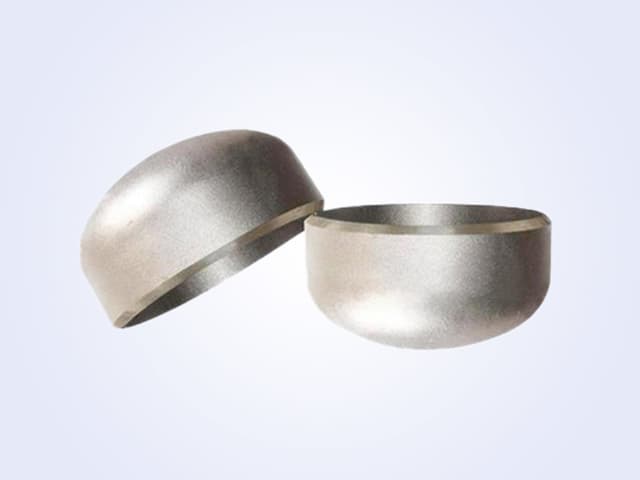
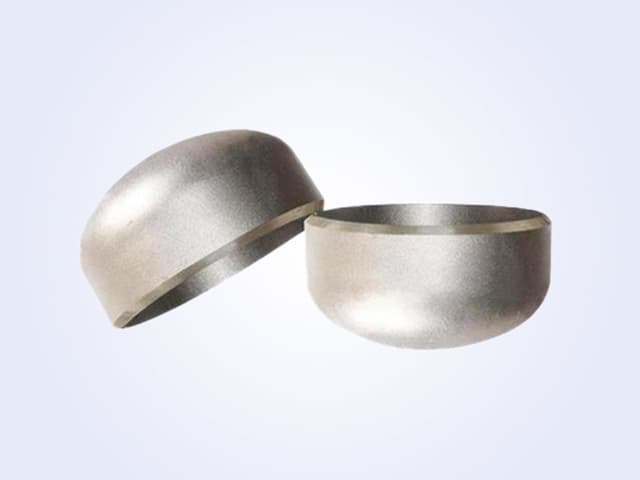
Butt weld fittings are joined by welding the pipe ends directly to the fitting, creating a permanent, leak-proof connection. Threaded fittings rely on screw threads, while flanged fittings use bolts and gaskets. In high-pressure environments (above 300 psi or 600°F), threaded connections may fail due to thread stripping or thermal expansion. Butt weld fittings offer superior joint strength and are preferred for critical services such as steam, hydrocarbons, and high-pressure gases.
Strength and Durability
Weld joints provide continuous metal structure, eliminating weak points. Butt weld fittings are typically made from forged or seamless pipe, ensuring uniform wall thickness and resistance to stress corrosion cracking. Threaded fittings have stress concentrations at the threads, making them prone to fatigue. Flanged connections, while robust, introduce potential leak paths at the gasket and are heavier. For fatigue-prone applications (e.g., vibration or thermal cycling), butt weld is the safest choice.
Standards and Specifications to Confirm
When procuring butt weld fittings, verify compliance with:
- ASME B16.9 (factory-made wrought butt welding fittings)
- ASME B16.25 (buttwelding ends) for end preparation
- Material standards such as ASTM A234 (carbon steel), A403 (stainless steel), or A420 (low-temperature)
- Pressure rating class (Sch 10 through Sch 160, or XXS)
For threaded fittings, reference ASME B16.11 (forged fittings, socket-weld and threaded). Flanged fittings follow ASME B16.5 or B16.47. Always request material test reports (MTRs) and, if required, third-party inspection certificates.
Inspection and Documentation Requirements
Before accepting a shipment, ensure the following documents are provided:
- Material test reports (MTRs) per EN 10204 3.1 or 3.2
- Dimensional inspection reports
- Visual and surface defect checks (per ASTM A388 for ultrasonic)
- Hydrostatic test certificates (if applicable)
- Heat treatment records for alloy steels
For butt weld fittings, pay attention to end bevel angles, wall thickness tolerances, and surface finish. Use a go/no-go gauge for bevel profile if possible.
RFQ Checklist: What to Send Before Quotation
To get accurate pricing and lead times, include the following in your request for quotation (RFQ):
- Size (nominal pipe size, schedule)
- Material grade (e.g., A234 WPB, A403 304/316)
- Applicable standard (ASME B16.9, etc.)
- Quantity and unit (pieces)
- End preparation details (plain or bevel ends)
- Special requirements: NACE MR0175 for sour service, low-temperature impact testing, etc.
- Delivery timeline and destination
- Required certificates (MTR, inspection report)
Quality Risks and Mitigation
Common quality issues with butt weld fittings include:
- Incorrect bevel angle leading to poor weld penetration → Mitigate by requesting dimensional certification
- Surface cracks or laminations from inferior steel → Require ultrasonic testing per ASTM A388
- Undersized wall thickness at bend areas → Specify minimum wall thickness per schedule
For threaded fittings, thread form (taper vs. straight) and thread compound compatibility are common pitfalls. Flanged fittings often face gasket surface finish issues.
Conclusion
Choosing the right pipe fitting type is a balance of system pressure, temperature, maintenance frequency, and cost. Butt weld fittings offer the highest reliability for demanding conditions. Always specify standards, demand proper documentation, and verify dimensions before acceptance.
Request a Quote
For high-quality butt weld fittings, forged flanges, and piping packages meeting international standards, contact Hebei Haihao Group. Send your RFQ with the details above for a prompt quotation.
Need a quote for the products mentioned in this article?
Submit your specs and our pressure piping team will respond within one business day.
Send RFQQuote in 4 hours
Products covered in this article
Sourcing any of these? Send the spec and our pressure-piping desk replies within 4 business hours.
Related reading
 Buyer guide
Orifice Flange RFQ Checklist: Class, Type, Taps and Documents
Specifying orifice flanges requires more than a standard flange RFQ. This checklist covers ASME B16.36 scope, class/type limits, tap details, and documentation gaps to verify before ordering.
 Buyer guide
Gray Iron vs Ductile Iron Flanges: A Procurement Comparison
Gray iron and ductile iron flanges are covered by different ASME standards with distinct classes and ratings. This guide explains the key differences, procurement checks, and RFQ requirements to avoid costly specification errors.
 Buyer guide
NPT Threaded Fitting Inspection: B1.20.1 Gauging and RFQ Controls
Learn how to inspect NPT threaded fittings per ASME B1.20.1 and B16.11, including gauging, RFQ inputs, and documentation checks for EPC buyers.