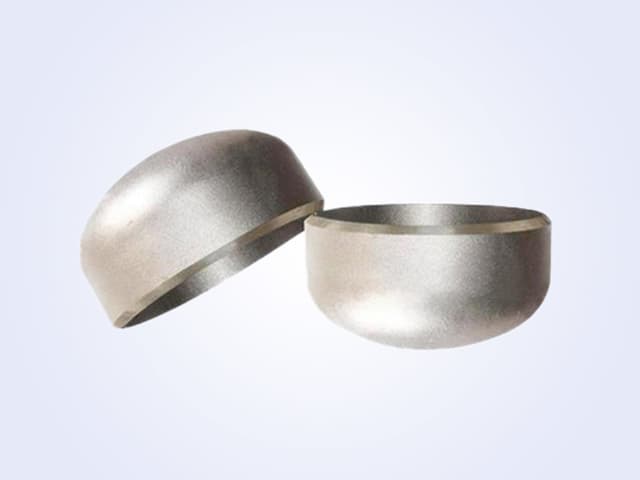
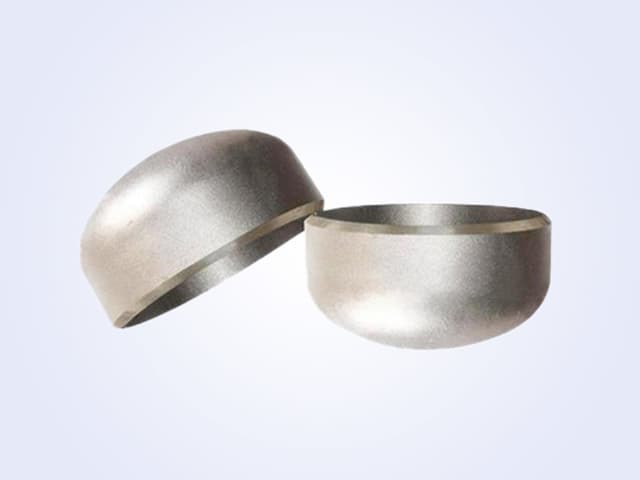
When sourcing butt-weld fittings for medium and low pressure piping systems, procurement engineers must look beyond basic specifications. The quality of these components directly affects system integrity, maintenance costs, and operational safety. This article provides a practical framework for evaluating butt-weld fittings and flanges from manufacturers, with a focus on medium and low pressure applications common in oil, gas, chemical, and utility sectors.
Key Standards to Confirm
Before issuing an RFQ, verify that the manufacturer complies with the following industry standards:
- ASME B16.9 – Factory-made wrought butt-weld fittings
- ASME B16.5 – Pipe flanges and flanged fittings (for flange ratings up to Class 1500; medium/low pressure typically Class 150 or 300)
- ASME B16.25 – Butt-weld ends for pipe, valves, and fittings
- ASME B31.3 – Process piping code (if applicable to your project)
- MSS SP-75 – High-test wrought butt-welding fittings (often used for higher strength)
- EN 10253-2 – European standard for butt-weld fittings (for projects requiring CE marking)
Confirm that the manufacturer’s quality management system is certified to ISO 9001 and, for pressure equipment, PED 2014/68/EU if shipping to Europe.
Required Inspection Documents
For each shipment, insist on the following documentation to ensure traceability and compliance:
- Material test certificates (MTC) per EN 10204 3.1 or 3.2 – showing chemical composition and mechanical properties
- Dimensional inspection reports – verifying wall thickness, diameter, and length against ASME B16.9 tolerances
- Hydrostatic test report – for flanges and fittings rated above Class 150
- Hardness test report – to ensure no weld zone hardening (especially for sour service)
- Visual and PMI (Positive Material Identification) reports – confirming material grade
- Certificate of conformity (CoC)
Ask if the manufacturer performs third-party inspection (e.g., by SGS, BV, or Lloyd’s) as this adds an extra layer of assurance.
RFQ Checklist for Butt-Weld Fittings and Flanges
When preparing a request for quotation, include the following details to avoid ambiguity:
- Material grade (e.g., A234 WPB, A105, 304/304L, 316/316L)
- Nominal pipe size (NPS) and schedule (e.g., NPS 6, Sch 40)
- Fitting type (90° elbow, tee, reducer, cap, stub end)
- Flange type and facing (e.g., slip-on, weld neck, blind; raised face, flat face, RTJ)
- Pressure rating / class (e.g., Class 150, Class 300)
- Required end preparation (beveled for butt weld, square cut for socket weld)
- Quantity and packaging requirements (bundled, palletized, with plastic caps)
- Testing and certification requirements (as listed above)
- Delivery terms and lead time
Common Quality Risks in Medium/Low Pressure Fittings
Even at lower pressure ratings, defects can lead to leaks, corrosion, or premature failure. Watch for:
- Inconsistent wall thickness – may cause stress concentrations
- Pitting or laminations – can develop into leaks under cyclic loading
- Weld defects in pipe bends (cracks, lack of fusion) – critical for butt-weld connections
- Improper heat treatment – leads to reduced impact toughness
- Marking errors – mismatched material or pressure class
To mitigate these risks, request inspection of the first article (pre-production sample) and schedule a factory audit if possible.
What to Send to the Manufacturer Before Quotation
To get accurate pricing and lead time, provide:
- A complete bill of materials (BOM) with all dimensions and specifications
- Your preferred material standards (ASME, EN, etc.)
- End-use conditions (temperature, pressure, corrosive media) – this helps the manufacturer recommend suitable grades
- Special requirements such as low-temperature impact testing, NACE MR0175 for sour service, or custom packaging
- Target delivery date and preferred incoterm
A reputable manufacturer will respond with a clear quotation, lead time, and suggested alternatives if any specification is not standard.
Why Manufacturer Experience Matters
For medium and low pressure butt-weld fittings, the manufacturing process (hot forming, heat treatment, machining) must be controlled to ensure consistent quality. Experienced manufacturers invest in:
- Raw material sourcing with strict acceptance criteria
- Skilled technicians who understand the nuances of bending and welding
- Calibrated inspection equipment (ultrasonic testing, thickness gauges, profile projectors)
A manufacturer with a track record in your industry can often anticipate challenges and suggest cost-effective solutions.
Conclusion
Selecting a reliable butt-weld fittings manufacturer for medium/low pressure piping systems requires careful evaluation of standards, documentation, and quality control practices. By using the checklist above, procurement engineers can reduce the risk of field failures and ensure that the components meet project requirements.
Need a quote for butt-weld fittings or flanges? Contact Hebei Haihao Group with your BOM and specifications. We provide full traceability and third-party inspection options to support your project.
Need a quote for the products mentioned in this article?
Submit your specs and our pressure piping team will respond within one business day.
Send RFQQuote in 4 hours
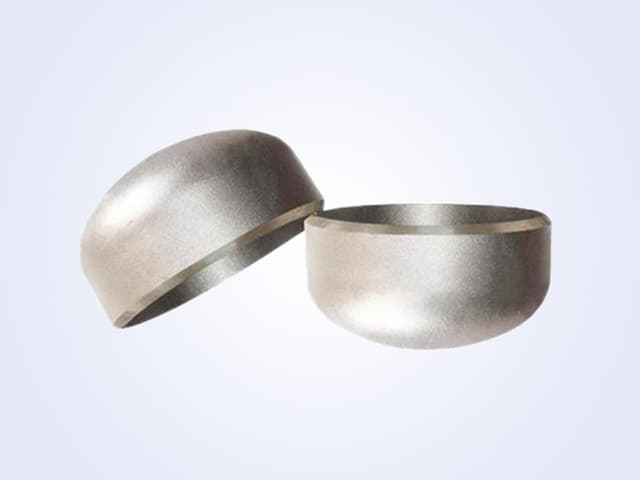
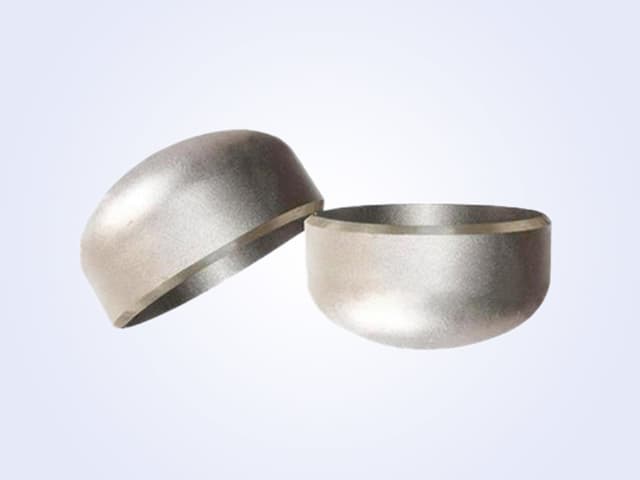
Products covered in this article
Sourcing any of these? Send the spec and our pressure-piping desk replies within 4 business hours.
Related reading
 Buyer guide
Orifice Flange RFQ Checklist: Class, Type, Taps and Documents
Specifying orifice flanges requires more than a standard flange RFQ. This checklist covers ASME B16.36 scope, class/type limits, tap details, and documentation gaps to verify before ordering.
 Buyer guide
Gray Iron vs Ductile Iron Flanges: A Procurement Comparison
Gray iron and ductile iron flanges are covered by different ASME standards with distinct classes and ratings. This guide explains the key differences, procurement checks, and RFQ requirements to avoid costly specification errors.
 Buyer guide
NPT Threaded Fitting Inspection: B1.20.1 Gauging and RFQ Controls
Learn how to inspect NPT threaded fittings per ASME B1.20.1 and B16.11, including gauging, RFQ inputs, and documentation checks for EPC buyers.