Introduction
Forged pipe fittings are critical components in high-pressure, high-temperature piping systems common in oil & gas, petrochemical, power generation, and industrial plants. Unlike cast fittings, forged fittings have a denser grain structure, fewer internal defects, and superior mechanical properties, making them the preferred choice for demanding service conditions. This guide provides procurement engineers with practical steps to specify, evaluate, and purchase forged fittings that meet project requirements.
Key Standards to Confirm
Before issuing an RFQ, ensure the required standard is clearly defined. The most common standards for forged fittings include:
- ASME B16.11 – Forged fittings, socket-welding and threaded
- ASME B16.9 – Factory-made wrought buttwelding fittings (applies to some forged fittings)
- MSS SP-79, SP-83, SP-95 – Additional specifications for socket-welding reducer inserts, etc.
- ASTM A105 / A182 – Material standards for carbon and alloy steel fittings
For high-temperature service, confirm if the fittings need to be normalized or quench-and-tempered. Also verify pressure-temperature ratings as per ASME B16.11 Table 2.
Inspection and Certification Documents
When placing an order, request the following documents to ensure traceability and compliance:
- Material test certificates (EN 10204 3.1 or 3.2)
- Dimensional inspection report
- Heat treatment records (if required)
- Hardness test results
- Visual and dimensional check reports
- Positive Material Identification (PMI) report
- Third-party inspection certificate (if specified)
RFQ Checklist for Forged Fittings
Provide the following information in your RFQ to avoid ambiguity:
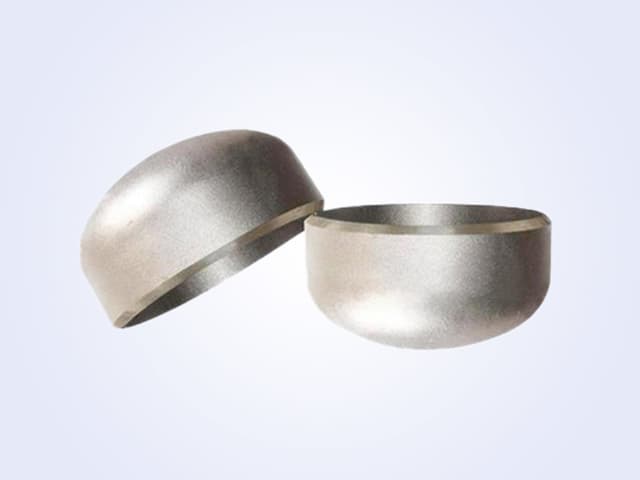
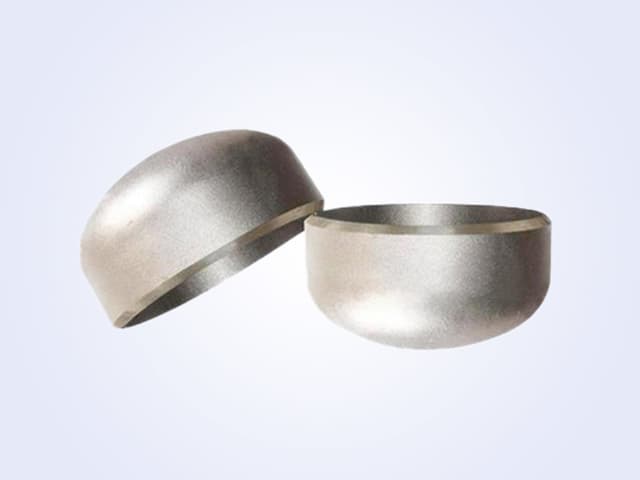
- Fitting type (elbow, tee, cross, reducer, coupling, cap)
- Size (nominal pipe size, NPS)
- Schedule or wall thickness
- Material grade (e.g., ASTM A105, A182 F304, F316, F11)
- End connections (socket-weld, threaded, buttweld)
- Rating class (Class 3000, 6000, 9000 for socket-weld)
- Standards to be followed
- Quantity and packaging requirements
- Any special testing (PMI, hydrostatic, NDE)
Quality Risks to Watch For
Common quality issues in forged fittings include:
- Surface cracks or laps from improper forging
- Out-of-tolerance dimensions (especially wall thickness at the ends)
- Incorrect material grade – always demand PMI
- Lack of heat treatment – can reduce ductility and impact resistance
- Insufficient thread length or taper on threaded fittings
To mitigate these risks, require a dimensional inspection report and consider third-party inspection at the mill.
Information to Send Before Quotation
To get accurate pricing and lead times, prepare your inquiry with:
- Full bill of materials with line items
- Preferred manufacturer or country of origin
- Required certifications and inspection levels
- Delivery schedule (incoterms, target date)
- Any project-specific coating or packaging requirements
Why Choose Hebei Haihao Group
Hebei Haihao Group is a trusted manufacturer of forged pipe fittings, flanges, and piping packages for global EPC projects. Our fittings are produced to ASME, ASTM, and MSS standards, with full traceability and third-party inspection support. Contact us for a competitive quotation tailored to your project needs.
Need a quote for the products mentioned in this article?
Submit your specs and our pressure piping team will respond within one business day.
Send RFQQuote in 4 hours
Products covered in this article
Sourcing any of these? Send the spec and our pressure-piping desk replies within 4 business hours.
Related reading
 Buyer guide
Hydrogen Piping Components: What an ASME B31.12 RFQ Must Define
ASME B31.12 governs hydrogen piping and pipelines. This guide explains what EPC engineers and procurement managers must specify in an RFQ for seamless pipes and socket-weld forged fittings, covering code parts, material verification, and inspection requirements.
 Buyer guide
Buttweld Spool Fit-Up: Coordinating ASME B16.9 Fittings and B16.25 Ends
Learn how to coordinate ASME B16.9 fittings with B16.25 bevel ends for reliable buttweld spool fit-up. Includes procurement checks, inspection points, and common risks.
 Buyer guide
Valve End Connections and Mating Flanges: A B16.34 and B16.5 Buying Guide
Understand how ASME B16.34 and B16.5 interact for valve-to-flange compatibility. Learn key procurement checks, RFQ inputs, and inspection points to avoid mismatches.