The Key Role of High-Pressure Flange Fittings in the Aerospace Field
In the aerospace field, every detail of technology can determine success or failure. In this high-tech realm, the selection of pipe fittings is particularly important. Today, we are going to discuss the irreplaceability of high-pressure flange fittings in the aerospace field.
What are High-Pressure Flange Fittings?
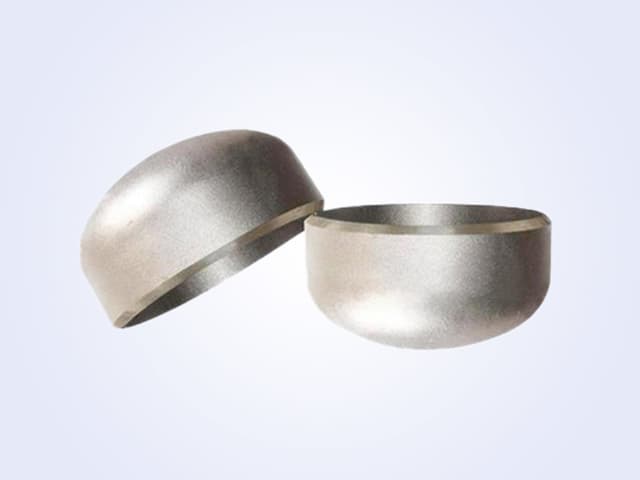
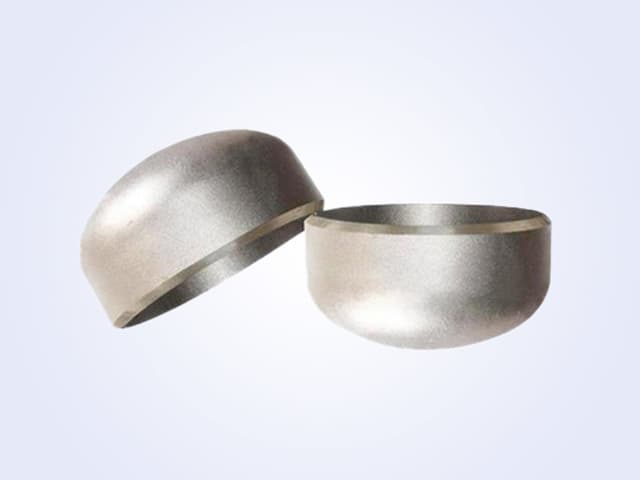
High-pressure flange fittings, simply put, are devices used to connect pipes that can withstand high-pressure environments. These fittings are typically manufactured using butt welding technology, ensuring a strong and stable connection. In aerospace technology, they are widely used in systems such as liquid fuel and gas transportation. Imagine if during a launch, a pipe fitting leaks – the consequences would be catastrophic. Therefore, choosing the right fitting, especially butt welding fittings, is extremely important.
Special Requirements for High-Pressure Flange Fittings in Aerospace
The working environment of aerospace equipment is extremely complex, with fluctuating temperatures, pressures, and even severe vibrations. This requires high-pressure flange fittings to have extremely high pressure resistance and corrosion resistance. Just like an excellent athlete must maintain peak condition under any circumstances, aerospace fittings must also maintain stable performance in extreme environments.
For liquid fuel systems in spacecraft, any tiny leak can lead to serious consequences. Imagine if, during a launch, a critical fitting malfunctions, it could result in the failure of the entire mission. Butt welding fittings, due to their tight connection, are clearly the best choice to address this issue.
Advantages of High-Pressure Flange Fittings
So, what unique advantages do high-pressure flange fittings have? First, their connection method is very stable. The welding process of butt welding fittings ensures a seamless connection between the fitting and the pipe, reducing the risk of leakage. Secondly, high-pressure flange fittings are usually made of high-strength alloys, capable of withstanding extreme temperatures and pressures – a performance that is undoubtedly necessary in the aerospace field.
Additionally, the installation and maintenance of high-pressure flange fittings are relatively simple. Due to the convenience of their design, aerospace engineers can save time and labor costs during routine inspections and maintenance. Imagine how much the progress of an aerospace project would be affected if each maintenance session took a significant amount of time.
Application Examples and Future Development
In practical applications, we can see high-pressure flange fittings used in spacecraft propulsion systems, gas and liquid storage systems. They not only ensure the normal operation of spacecraft but also enhance overall performance to some extent. In the future, with the continuous development of aerospace technology, the demand for butt welding fittings will undoubtedly become even stronger.
Of course, technological progress is also driving continuous innovation in high-pressure flange fittings. The introduction of new materials and new processes will make these fittings even more performant. And their application in the aerospace field will provide them with broader development space.
Conclusion
High-pressure flange fittings, as an important component of the aerospace field, are like an seemingly inconspicuous rope that supports the safety and stability of the entire spacecraft. Every weld and every connection carries the expectations and dreams of scientists. In this challenging field, choosing high-quality butt welding fittings is undoubtedly a key step towards realizing aerospace dreams.
Need a quote for the products mentioned in this article?
Submit your specs and our pressure piping team will respond within one business day.
Send RFQQuote in 4 hours
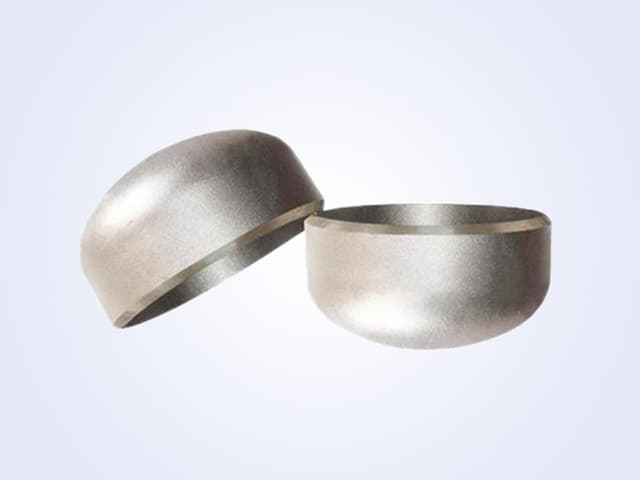
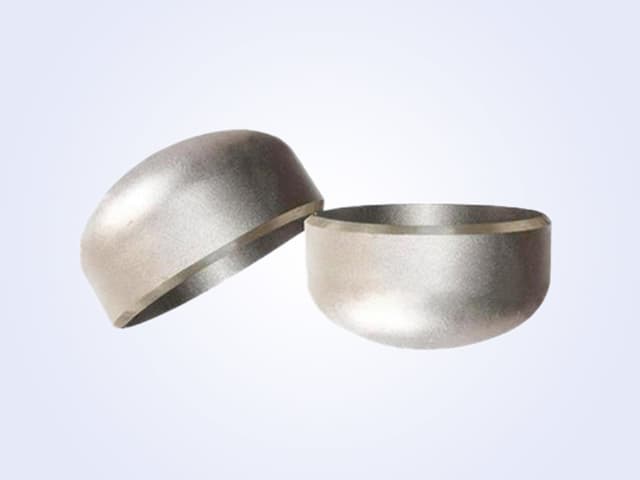
Products covered in this article
Sourcing any of these? Send the spec and our pressure-piping desk replies within 4 business hours.
Related reading
 Industry news
Whiptail Approval Adds a Sixth Stabroek Development to Guyana's Offshore Buildout
ExxonMobil has received government and regulatory approvals for the Whiptail development, the sixth project on the Stabroek block offshore Guyana. The project targets about 250,000 barrels per day of capacity by end-2027, with $12.7 billion investment. For EPC buyers, this signals continued demand for subsea and topside piping components.
 Industry news
Rovuma LNG Enters FEED: What Is Confirmed About the Mozambique Development
ExxonMobil and Area 4 co-venturers have entered FEED for the 18 MTA Rovuma LNG project in Mozambique. This article clarifies what is confirmed, what remains unconfirmed, and what EPC buyers should verify before procurement.
Industry newsNorthern Lights Phase 2 FID Expands CO2 Transport and Storage Chain
Equinor, Shell, and TotalEnergies have taken FID on Northern Lights phase 2, boosting injection capacity to at least 5 Mtpa by 2028. This article explains the expansion scope, procurement implications, and what buyers must verify for CO2 piping systems.