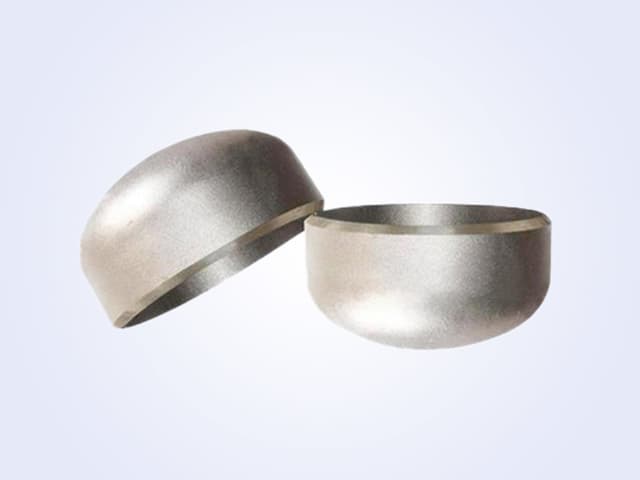
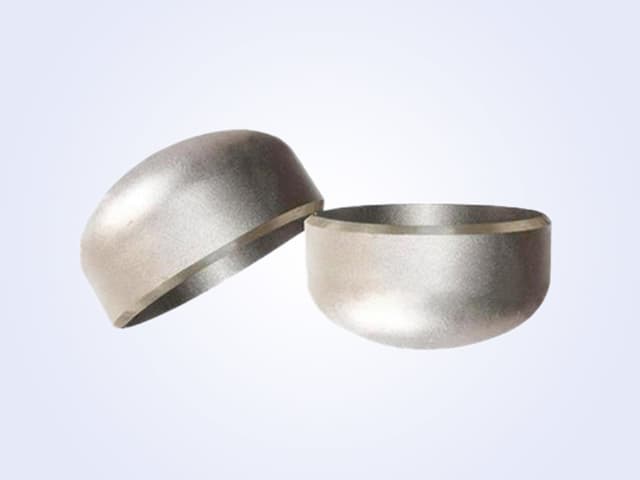
Manufacturing Process and Key Elements of High-Pressure Flange Pipe Fittings
In industrial fields, high-pressure flange pipe fittings are widely used in various pipeline connections and valve installations. As a key component of connecting pipelines, the manufacturing process and key elements of high-pressure flange pipe fittings are crucial to ensuring the stable and safe operation of pipelines. This article will introduce the manufacturing process of high-pressure flange pipe fittings and delve into some key elements.
First, the manufacturing process of high-pressure flange pipe fittings begins with the selection and preparation of raw materials. Typically, high-pressure flange pipe fittings are made of high-strength alloy steel to ensure reliability and durability under high-pressure environments. When selecting raw materials, manufacturers need to consider factors such as chemical composition, mechanical properties, and corrosion resistance to meet the requirements of different working conditions.
Second, the manufacturing process of high-pressure flange pipe fittings includes forging, machining, and heat treatment. Forging is one of the key steps in manufacturing high-pressure flange pipe fittings, which involves deforming and heating the metal material to obtain the appropriate shape and mechanical properties. During machining, manufacturers use machine tools and other equipment to precisely process and trim the forged blanks to meet the size and shape requirements of high-pressure flange pipe fittings. Finally, heat treatment is crucial for improving the strength and toughness of high-pressure flange pipe fittings by controlling the cooling rate and temperature of the metal material to obtain the ideal microstructure and properties.
In addition to the manufacturing process, key elements of high-pressure flange pipe fittings also include design and quality control. In terms of design, manufacturers need to consider the applicable working conditions and pressure levels of high-pressure flange pipe fittings to determine appropriate sizes and structures. At the same time, a reasonable design must also consider the connection method of the flange joint and the selection of fasteners to ensure the reliability and sealing of the pipeline connection.
In terms of quality control, manufacturers need to strictly follow relevant standards and specifications to conduct comprehensive inspections and tests on high-pressure flange pipe fittings. These tests include chemical composition analysis of materials, mechanical property tests, size and shape inspections, and non-destructive testing. Only through these quality control measures can the quality and reliability of high-pressure flange pipe fittings be ensured, thereby improving the safety and stability of the entire pipeline system.
In summary, the manufacturing process and key elements of high-pressure flange pipe fittings have a significant impact on the normal operation of pipeline systems. Manufacturers must pay great attention to raw material selection, forging processing, heat treatment, as well as design and quality control, to ensure the quality and reliability of high-pressure flange pipe fittings.
Need a quote for the products mentioned in this article?
Submit your specs and our pressure piping team will respond within one business day.
Send RFQQuote in 4 hours
Products covered in this article
Sourcing any of these? Send the spec and our pressure-piping desk replies within 4 business hours.
Related reading
 Industry news
Whiptail Approval Adds a Sixth Stabroek Development to Guyana's Offshore Buildout
ExxonMobil has received government and regulatory approvals for the Whiptail development, the sixth project on the Stabroek block offshore Guyana. The project targets about 250,000 barrels per day of capacity by end-2027, with $12.7 billion investment. For EPC buyers, this signals continued demand for subsea and topside piping components.
 Industry news
Rovuma LNG Enters FEED: What Is Confirmed About the Mozambique Development
ExxonMobil and Area 4 co-venturers have entered FEED for the 18 MTA Rovuma LNG project in Mozambique. This article clarifies what is confirmed, what remains unconfirmed, and what EPC buyers should verify before procurement.
Industry newsNorthern Lights Phase 2 FID Expands CO2 Transport and Storage Chain
Equinor, Shell, and TotalEnergies have taken FID on Northern Lights phase 2, boosting injection capacity to at least 5 Mtpa by 2028. This article explains the expansion scope, procurement implications, and what buyers must verify for CO2 piping systems.