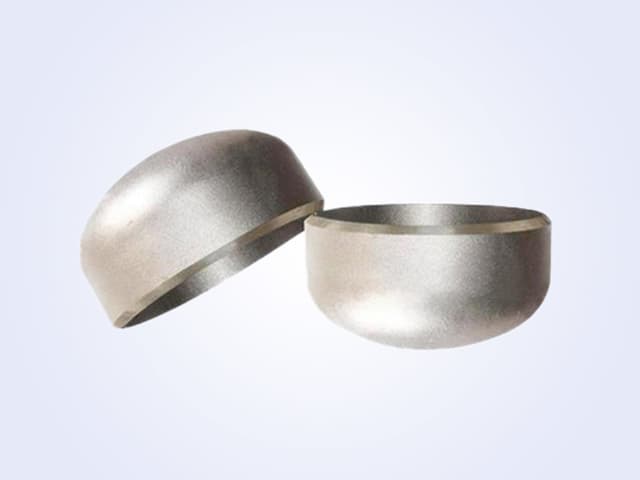
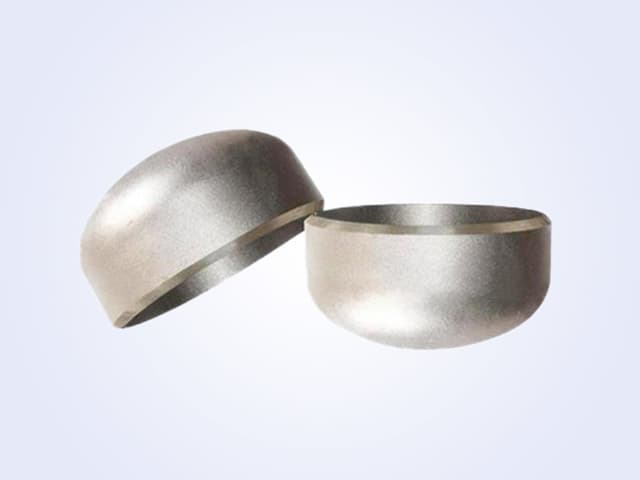
Forged pipe fittings are a vital component in the industrial field, praised for their excellent performance and wide range of applications. Forged pipe fittings are pipe connectors processed through forging techniques, featuring high strength, high toughness, and superior corrosion resistance, capable of meeting various complex and harsh working environment requirements.
The manufacturing process of forged pipe fittings is rigorous and precise. First, high-quality raw materials are selected, and through a series of processes such as cutting, heating, and forging, the raw materials are shaped into the required fitting forms. During the forging process, the metal raw material undergoes plastic deformation under high pressure and temperature, thereby eliminating internal defects and improving the material's density and uniformity. This process gives forged pipe fittings excellent mechanical properties and fatigue resistance.
Forged pipe fittings have many advantages. Their high strength and toughness enable them to withstand high pressure and high temperature environments, making them suitable for piping systems in industries such as petroleum, chemical, and electric power. At the same time, forged pipe fittings have superior corrosion resistance, allowing them to operate stably for long periods in harsh media environments, reducing maintenance costs. In addition, forged pipe fittings have good sealing performance and connection reliability, effectively preventing leaks and accidents.
In practical applications, forged pipe fittings play a crucial role. In the field of oil and gas transportation, forged pipe fittings are used to connect pipelines, ensuring the safe transport of oil and gas resources. In chemical production, forged pipe fittings are used to construct reactors and conveying systems, ensuring the smooth progress of production processes. In the electric power industry, forged pipe fittings are used for pipeline connections in equipment such as boilers and steam turbines, ensuring the stable operation of the power system.
With the continuous advancement of industrial technology, forged pipe fittings are also constantly innovating and developing. The application of new forging processes and materials has further improved the performance of forged pipe fittings, meeting higher-level demands. At the same time, the design of forged pipe fittings is becoming more diverse and customized, better adapting to various complex piping systems.
In summary, forged pipe fittings, with their excellent performance, wide range of applications, and continuous development and innovation, have become indispensable important components in the industrial field.
Need a quote for the products mentioned in this article?
Submit your specs and our pressure piping team will respond within one business day.
Send RFQQuote in 4 hours
Products covered in this article
Sourcing any of these? Send the spec and our pressure-piping desk replies within 4 business hours.
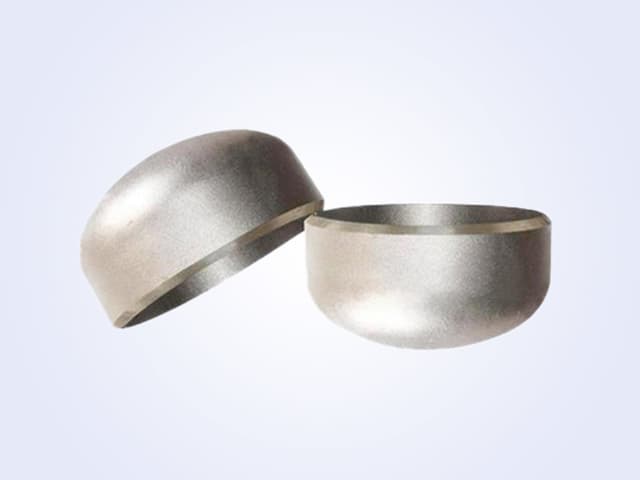 Cap
Cap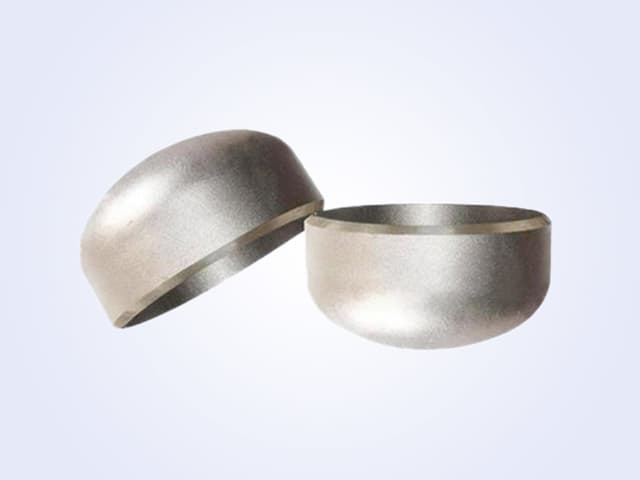 Cap
CapASTM A234 WPB; A403 WP304/WP316; A420 WPL6; carbon, alloy, stainless steel
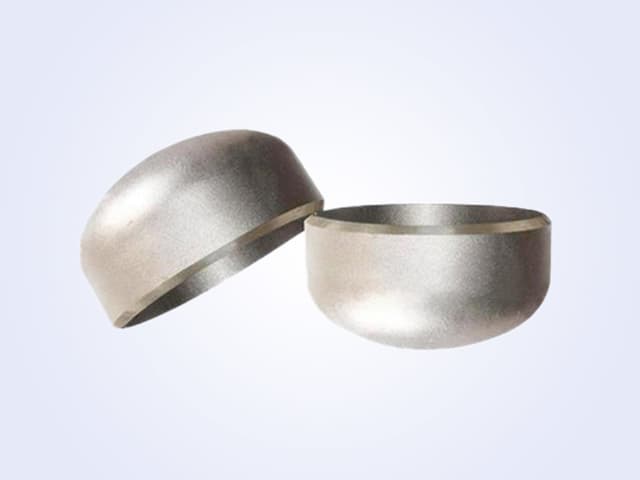 Cap
CapASTM A234 WPB; A403 WP304/WP316; A420 WPL6; carbon, alloy, stainless steel
Related reading
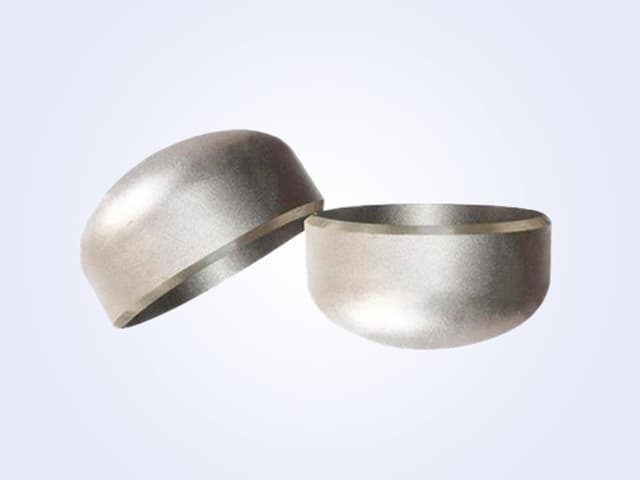 Industry news
Whiptail Approval Adds a Sixth Stabroek Development to Guyana's Offshore Buildout
ExxonMobil has received government and regulatory approvals for the Whiptail development, the sixth project on the Stabroek block offshore Guyana. The project targets about 250,000 barrels per day of capacity by end-2027, with $12.7 billion investment. For EPC buyers, this signals continued demand for subsea and topside piping components.
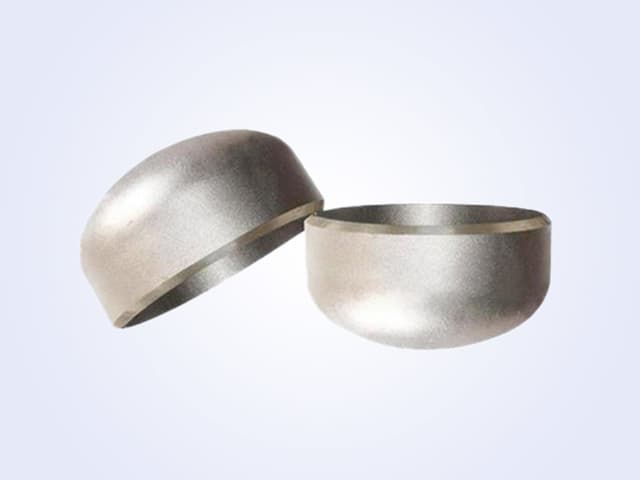 Industry news
Rovuma LNG Enters FEED: What Is Confirmed About the Mozambique Development
ExxonMobil and Area 4 co-venturers have entered FEED for the 18 MTA Rovuma LNG project in Mozambique. This article clarifies what is confirmed, what remains unconfirmed, and what EPC buyers should verify before procurement.
Industry newsNorthern Lights Phase 2 FID Expands CO2 Transport and Storage Chain
Equinor, Shell, and TotalEnergies have taken FID on Northern Lights phase 2, boosting injection capacity to at least 5 Mtpa by 2028. This article explains the expansion scope, procurement implications, and what buyers must verify for CO2 piping systems.