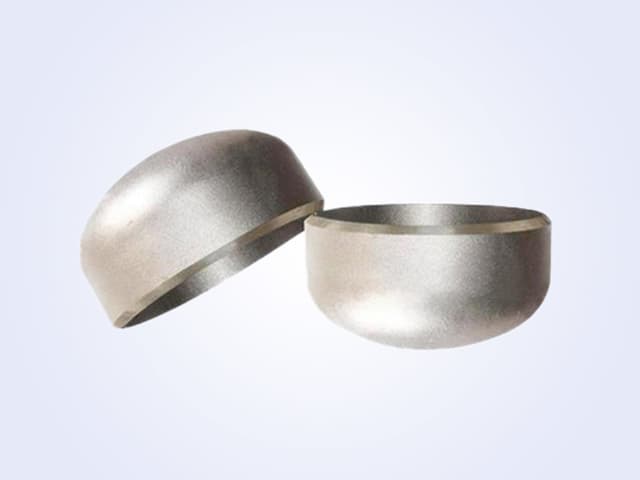
Low and medium pressure pipe fittings flanges are indispensable components in pipeline engineering. Their main function is to connect pipes, ensuring the safe, stable, and efficient operation of the pipeline system. In this article, we will explore in detail the structure, characteristics, and application of low and medium pressure pipe fittings flanges in pipeline engineering.
Let's first understand the basic structure of low and medium pressure pipe fittings flanges. A flange typically consists of two parallel disc-shaped components with a sealing gasket sandwiched in between. This design allows the flange to tightly connect two pipes, preventing fluid leakage. Additionally, the bolted connection structure of the flange makes installation and disassembly relatively easy, providing convenience for the maintenance and repair of the pipeline system.
Low and medium pressure pipe fittings flanges have some unique characteristics. For example, they usually have high pressure resistance and good sealing performance, capable of withstanding certain pressure fluctuations and temperature changes. Moreover, there are various connection methods for flanges, such as welding and threaded connections, which can be selected according to different pipe materials, specifications, and working conditions.
In pipeline engineering, low and medium pressure pipe fittings flanges are widely used. Whether in industrial fields such as petroleum, chemical, and natural gas, or in civil fields such as construction and water supply and drainage, flanges are needed to connect pipes. Especially in occasions with high requirements for sealing and safety, such as high-pressure steam pipelines and pipelines carrying toxic and hazardous media, low and medium pressure pipe fittings flanges play an irreplaceable role.
With the advancement of technology and the development of processes, the manufacturing level of low and medium pressure pipe fittings flanges is constantly improving. Modern flange manufacturing processes are more refined, and the selection of materials is more diverse, significantly enhancing the performance and lifespan of flanges. At the same time, some new connection methods and sealing materials have been applied to flanges, further improving the safety and reliability of pipeline systems.
Low and medium pressure pipe fittings flanges are indispensable components in pipeline engineering. They not only have the advantages of simple structure, easy installation, and strong pressure resistance but also are widely used in various pipeline systems. With the continuous progress of technology and the continuous development of the market, the performance and application fields of low and medium pressure pipe fittings flanges will continue to expand.
Need a quote for the products mentioned in this article?
Submit your specs and our pressure piping team will respond within one business day.
Send RFQQuote in 4 hours
Products covered in this article
Sourcing any of these? Send the spec and our pressure-piping desk replies within 4 business hours.
Related reading
 Industry news
Whiptail Approval Adds a Sixth Stabroek Development to Guyana's Offshore Buildout
ExxonMobil has received government and regulatory approvals for the Whiptail development, the sixth project on the Stabroek block offshore Guyana. The project targets about 250,000 barrels per day of capacity by end-2027, with $12.7 billion investment. For EPC buyers, this signals continued demand for subsea and topside piping components.
 Industry news
Rovuma LNG Enters FEED: What Is Confirmed About the Mozambique Development
ExxonMobil and Area 4 co-venturers have entered FEED for the 18 MTA Rovuma LNG project in Mozambique. This article clarifies what is confirmed, what remains unconfirmed, and what EPC buyers should verify before procurement.
Industry newsNorthern Lights Phase 2 FID Expands CO2 Transport and Storage Chain
Equinor, Shell, and TotalEnergies have taken FID on Northern Lights phase 2, boosting injection capacity to at least 5 Mtpa by 2028. This article explains the expansion scope, procurement implications, and what buyers must verify for CO2 piping systems.