Application of Forged Pipe Fittings in Heavy Industry
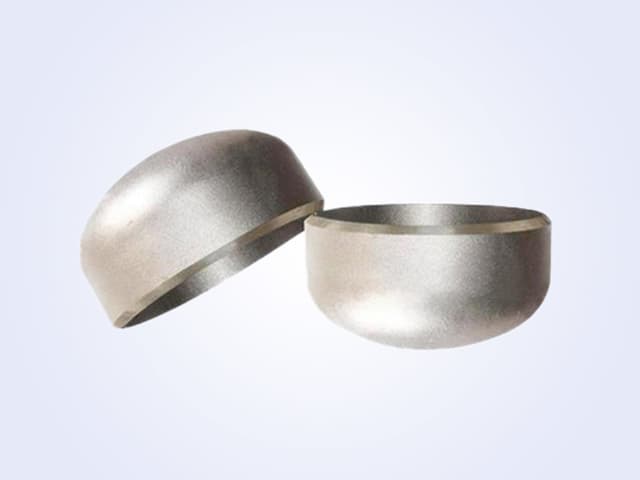
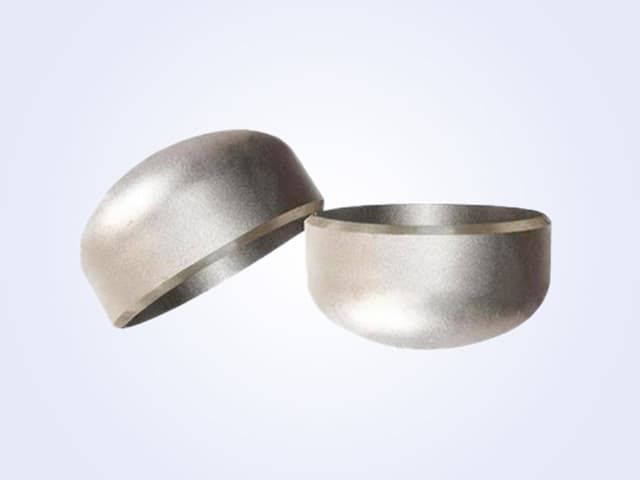
Forged pipe fittings are indispensable components in the heavy industry, playing a key role in various heavy machinery and equipment. Through professional forging processes, forged pipe fittings possess excellent strength and durability, suitable for environments with high temperature, high pressure, and complex working conditions. In this article, we will delve into the extensive applications of forged pipe fittings in the heavy industry, as well as their importance in improving production efficiency and ensuring safety.
The manufacturing process of forged pipe fittings undergoes multiple steps, including material preparation, preheating, forming, cooling, and finishing. These processes ensure high precision and consistency of forged pipe fittings, enabling them to withstand extreme working conditions and maintain long-term stable operation. In heavy industry applications, forged pipe fittings are commonly used in key facilities such as boilers, pressure vessels, petrochemical equipment, and nuclear power plants, serving important functions like fluid transmission, pressure bearing, and pipeline connection.
In the heavy industry, safety is always the primary consideration. Due to their superior strength and durability, forged pipe fittings can effectively reduce the risk of equipment accidents caused by fitting failures. This high reliability makes forged pipe fittings an essential component in the heavy industry, providing reliable assurance for equipment operation.
In addition to advantages in safety, forged pipe fittings also play a vital role in improving production efficiency and reducing energy consumption. Their precise manufacturing process and excellent wear resistance make equipment operate more smoothly and efficiently, reducing maintenance costs and downtime, while also lowering energy consumption, saving operating costs for enterprises.
Overall, the application of forged pipe fittings in the heavy industry not only reflects their importance in safety and reliability but also makes positive contributions to improving production efficiency and reducing costs. Through continuous optimization of processes and technologies, forged pipe fittings will continue to play a significant role in the heavy industry, providing reliable support for industry development and equipment operation.
Need a quote for the products mentioned in this article?
Submit your specs and our pressure piping team will respond within one business day.
Send RFQRelated reading
 Industry news
Whiptail Approval Adds a Sixth Stabroek Development to Guyana's Offshore Buildout
ExxonMobil has received government and regulatory approvals for the Whiptail development, the sixth project on the Stabroek block offshore Guyana. The project targets about 250,000 barrels per day of capacity by end-2027, with $12.7 billion investment. For EPC buyers, this signals continued demand for subsea and topside piping components.
 Industry news
Rovuma LNG Enters FEED: What Is Confirmed About the Mozambique Development
ExxonMobil and Area 4 co-venturers have entered FEED for the 18 MTA Rovuma LNG project in Mozambique. This article clarifies what is confirmed, what remains unconfirmed, and what EPC buyers should verify before procurement.
Industry newsNorthern Lights Phase 2 FID Expands CO2 Transport and Storage Chain
Equinor, Shell, and TotalEnergies have taken FID on Northern Lights phase 2, boosting injection capacity to at least 5 Mtpa by 2028. This article explains the expansion scope, procurement implications, and what buyers must verify for CO2 piping systems.