Introduction
Medium and low pressure pipe fittings flanges are essential components in industrial piping systems, providing reliable connections that can be easily assembled and disassembled. For procurement engineers and industrial buyers, understanding the design, manufacturing, and quality control aspects is critical to ensuring long-term system integrity. This guide focuses on butt-weld fittings and flanges used in moderate pressure and temperature services, offering practical insights for informed sourcing.
What Are Medium and Low Pressure Pipe Fittings Flanges?
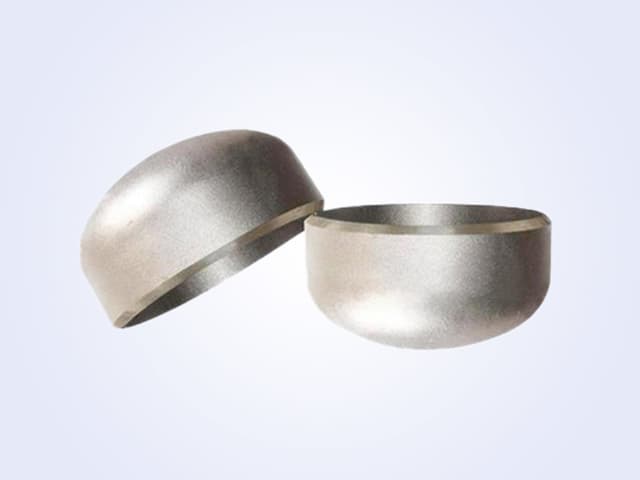
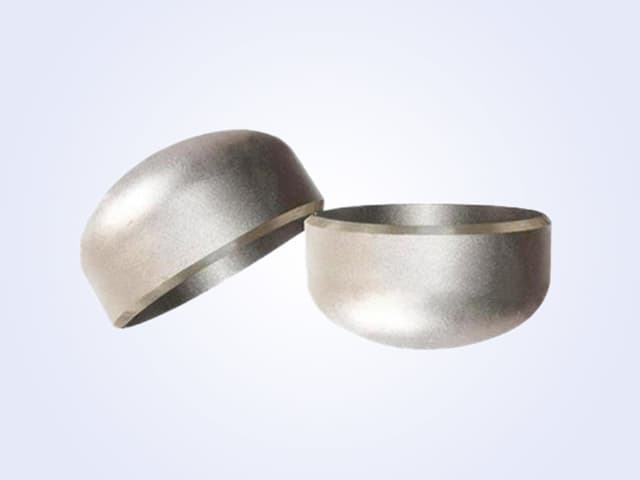
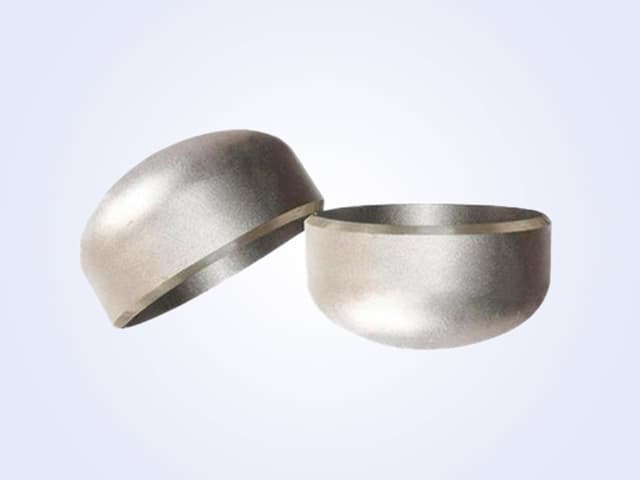
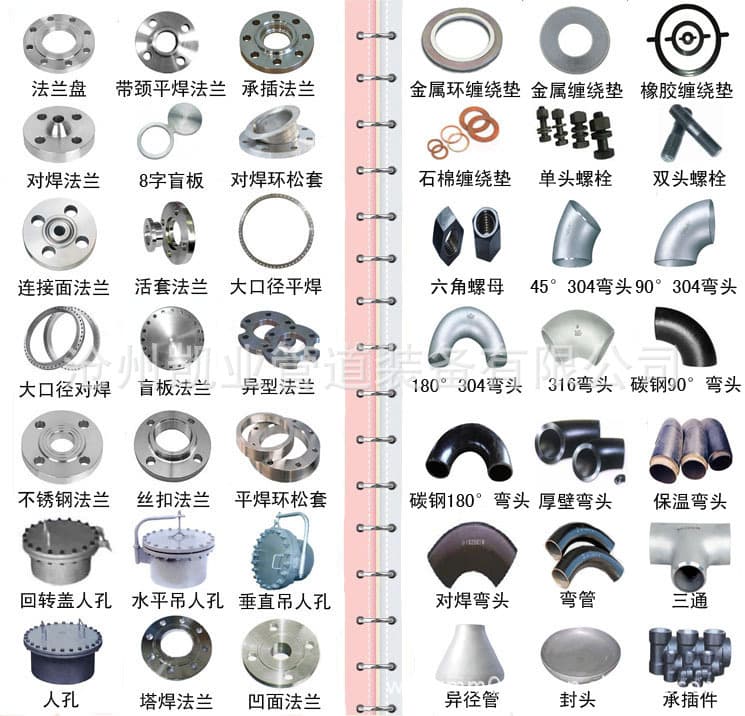
Flanges and butt-weld fittings connect pipe sections and equipment, forming a sealed system. Medium and low pressure applications typically operate at pressures up to Class 300 (PN 16–50) and temperatures below 400°C. Butt-weld fittings are welded directly to pipes, providing a strong, leak-resistant joint. Common types include elbows, tees, reducers, and caps. Flanges are available in various facing types (e.g., raised face, flat face) and sealing designs to match gasket requirements.
Materials and Standards to Confirm
When specifying flanges and fittings, confirm the material grade and applicable standard. Typical materials include:
- Carbon steel: ASTM A105 (flanges), ASTM A234 WPB (butt-weld fittings)
- Stainless steel: ASTM A182 F304/F316 (flanges), ASTM A403 WP304/WP316 (fittings)
- Alloy steel: ASTM A182 F11/F22, ASTM A234 WP11/WP22
Key standards to request:
- Flanges: ASME B16.5 (Class 150, 300, 600), EN 1092-1
- Butt-weld fittings: ASME B16.9 (seamless and welded), ASME B16.28 (short-radius elbows)
- General: ASME B31.3 (process piping), ISO 9001 certification for quality management
Ensure the supplier can provide material test certificates (EN 10204 Type 3.1 or 3.2) and confirm chemical composition and mechanical properties.
Design Considerations for Procurement
Design factors that affect performance and cost:
- Pressure and temperature rating: Choose flange class and fitting schedule (e.g., Sch 40, Sch 80) based on operating conditions.
- Bolt and gasket compatibility: Verify bolt material (often ASTM A193) and gasket type (e.g., spiral wound, ring joint).
- End preparation: Butt-weld ends must have bevel angles per ASME B16.25 for proper welding.
- Corrosion allowance: If service is corrosive, request additional wall thickness or alloy upgrade.
- Tolerance: ASME B16.9 and B16.5 define acceptable dimensional tolerances; request inspection reports for critical dimensions.
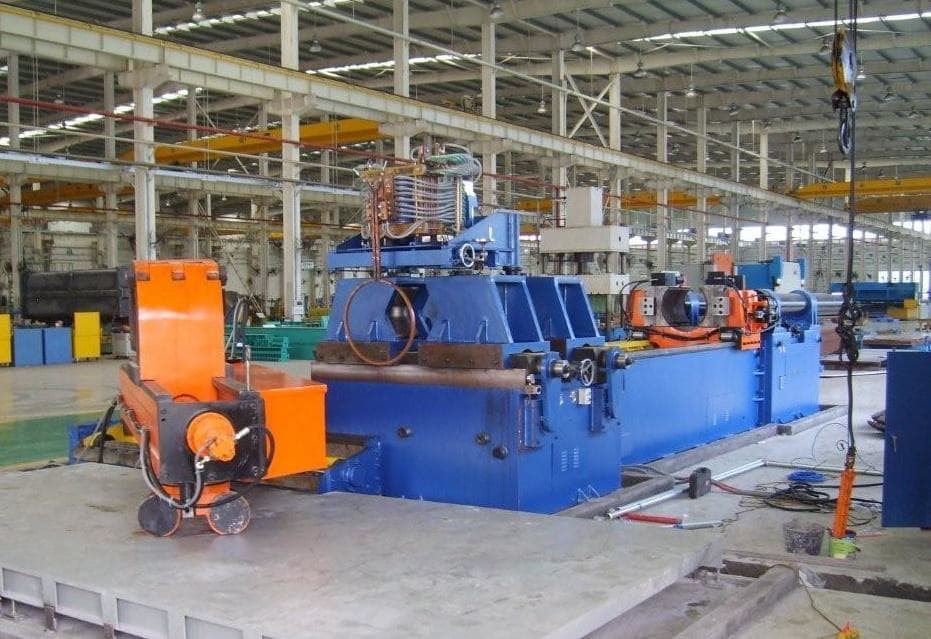
Manufacturing Process Overview
Typical steps for forged flanges and wrought fittings:
- Cutting and forming: Steel billets or bars are cut, heated, and forged or pressed into rough shape.
- Heat treatment: Normalizing or annealing to relieve stress and achieve desired grain structure.
- Machining: CNC machining of flange faces, bolt holes, and bore; for fittings, weld end bevels are machined.
- Inspection: Non-destructive testing (NDT) such as ultrasonic, magnetic particle, or dye penetrant as per order requirements.
- Marking and coating: Permanent marking (material, standard, size) and anti-corrosion coating (oil, paint, or galvanizing).
Quality Inspection Points
When auditing a supplier, verify these inspection stages:
- Raw material verification: Mill test certificates and positive material identification (PMI).
- Dimensional checks: Flange O.D., thickness, bolt circle, hub length; fitting wall thickness and end-to-end dimensions.
- Visual inspection: For surface defects, cracks, or forging laps.
- NDT reports: Required for critical service; specify level and acceptance criteria per ASTM or ASME.
- Pressure testing: Hydrostatic testing may be specified for flanges (e.g., per ASME B16.5).
RFQ Checklist
To obtain accurate and comparable quotes, include in your request:
- [ ] Standard and specification (e.g., ASME B16.5 Class 150 RF)
- [ ] Material grade and alternative if shortage
- [ ] Size and quantity breakdown (e.g., NPS 4 flange, NPS 6 elbow)
- [ ] Weld end bevel details (if butt-weld)
- [ ] Required certificates (material, NDT, pressure test)
- [ ] Packaging and marking requirements
- [ ] Delivery timeline and incoterms
Common Quality Risks and Mitigation
- Incorrect material supply: Ensure PMI at arrival.
- Dimensional non-compliance: Request inspection report before shipment.
- Improper heat treatment: Check hardness and microstructure reports.
- Poor machining of flange face: Gasket sealing surface finish must meet ASME B16.5 roughness requirements.
Why Partner with Hebei Haihao Group?
Hebei Haihao Group is a Chinese industrial manufacturer specializing in pipe fittings, forged flanges, pipe bends, and piping packages. With strict adherence to international standards and robust quality control processes, Haihao products are trusted by EPC contractors and end-users worldwide. To receive a tailored quotation with full documentation, contact our sales team with your project specifications.
Need a quote for the products mentioned in this article?
Submit your specs and our pressure piping team will respond within one business day.
Send RFQQuote in 4 hours
Products covered in this article
Sourcing any of these? Send the spec and our pressure-piping desk replies within 4 business hours.
Related reading
 Buyer guide
Hydrogen Piping Components: What an ASME B31.12 RFQ Must Define
ASME B31.12 governs hydrogen piping and pipelines. This guide explains what EPC engineers and procurement managers must specify in an RFQ for seamless pipes and socket-weld forged fittings, covering code parts, material verification, and inspection requirements.
 Buyer guide
Buttweld Spool Fit-Up: Coordinating ASME B16.9 Fittings and B16.25 Ends
Learn how to coordinate ASME B16.9 fittings with B16.25 bevel ends for reliable buttweld spool fit-up. Includes procurement checks, inspection points, and common risks.
 Buyer guide
Valve End Connections and Mating Flanges: A B16.34 and B16.5 Buying Guide
Understand how ASME B16.34 and B16.5 interact for valve-to-flange compatibility. Learn key procurement checks, RFQ inputs, and inspection points to avoid mismatches.