Introduction
Mid-pressure pipe fittings and flanges are critical components in industrial piping systems, ensuring safe and reliable connections across applications such as oil & gas, chemical processing, and power generation. For procurement engineers and EPC buyers, specifying the correct components requires careful attention to pressure ratings, material grades, and applicable standards. This guide provides a practical framework for sourcing mid-pressure flanges and fittings, with a focus on key decision points to avoid costly errors.
Understanding Mid-Pressure Ratings
Mid-pressure fittings typically refer to components rated for Class 150 to Class 600 (or equivalent PN ratings). The most common classes in mid-pressure applications are:
- Class 150 (PN20): Suitable for low-pressure steam, water, and air services.
- Class 300 (PN50): Used in moderate-pressure process lines.
- Class 600 (PN100): For higher pressure and temperature services.
When specifying, always confirm the design pressure and temperature of your system. Flanges and fittings must be selected with a pressure-temperature rating that exceeds the maximum operating conditions. Refer to ASME B16.5 (for flanges and flanged fittings) and ASME B16.9 (for factory-made wrought butt-welding fittings) for detailed rating tables.
Key Standards to Confirm
Before procuring, ensure that the manufacturer complies with the following industry standards:
- ASME B16.5: Pipe flanges and flanged fittings (NPS ½ to 24).
- ASME B16.9: Factory-made wrought butt-welding fittings.
- ASME B16.11: Forged fittings, socket-welding and threaded.
- MSS SP-43: Wrought stainless steel butt-welding fittings.
- ASTM A105 / A182 / A234: Material specifications for carbon steel, alloy, and stainless steel.
Ask the supplier for a declaration of conformity and material test reports (MTRs) to verify compliance.
Material Selection
The material must be compatible with the fluid, temperature, and environmental conditions. Common choices include:
- Carbon Steel (ASTM A105 for flanges, A234 WPB for fittings): General service, oil, gas, steam.
- Stainless Steel (ASTM A182 F304/F316 for flanges, A403 WP304/WP316 for fittings): Corrosive environments, food, pharmaceutical.
- Alloy Steel (ASTM A182 F11/F22, A234 WP11/WP22): High-temperature services.
For sour service (H2S), specify NACE MR0175 compliance. Also consider coatings or galvanizing for corrosion protection.
Economic Considerations: Standard vs. Custom
Standard products are cost-effective and have shorter lead times. However, non-standard dimensions, special materials, or unique configurations may require custom manufacturing. Discuss with the supplier early: many manufacturers, like Hebei Haihao Group, offer both standard and custom solutions. Provide clear drawings or datasheets for custom items.
RFQ Checklist: What to Include
To get an accurate quotation, send the following information:
- Product type: flanges (weld neck, slip-on, blind, etc.), fittings (elbows, tees, reducers, bends).
- Size: nominal pipe size (NPS) or outer diameter.
- Pressure class: Class 150, 300, 600 (or PN).
- Material grade: e.g., ASTM A105, A182 F304.
- Standard: ASME B16.5, B16.9, etc.
- Quantity: per size and type.
- Documentation requirements: MTR, PMI, hydrostatic test report, NACE certificate.
- Surface finish: anti-rust oil, galvanized, painted.
- Delivery terms: Incoterms, destination port.
Quality Risks and Inspection
Common quality pitfalls to avoid:
- Dimensional tolerances: Flanges and fittings must conform to standard dimensions (e.g., bolt hole alignment, hub thickness). Request a dimensional inspection report.
- Material traceability: Ensure heat numbers are recorded and MTRs are provided.
- Weld integrity: For welded fittings, confirm weld procedures (PQR/WPS) are qualified.
- Coating and marking: Check for proper stenciling (size, class, material, manufacturer).
Consider third-party inspection agencies (SGS, Bureau Veritas) for critical orders.
Why Partner with a Specialist Manufacturer
Hebei Haihao Group has decades of experience manufacturing mid-pressure flanges, fittings, and pipe bends. Our quality management system ensures each product meets ASME, ASTM, and EN standards. We provide comprehensive documentation, including MTRs and NACE compliance, and support custom orders for non-standard requirements.
Request a Quote
For your next pipelining project, send a detailed RFQ to Hebei Haihao Group. Our engineering team will review your specifications and deliver a competitive quotation with full technical support. Contact us today for reliable, made-to-order piping components.
Need a quote for the products mentioned in this article?
Submit your specs and our pressure piping team will respond within one business day.
Send RFQQuote in 4 hours
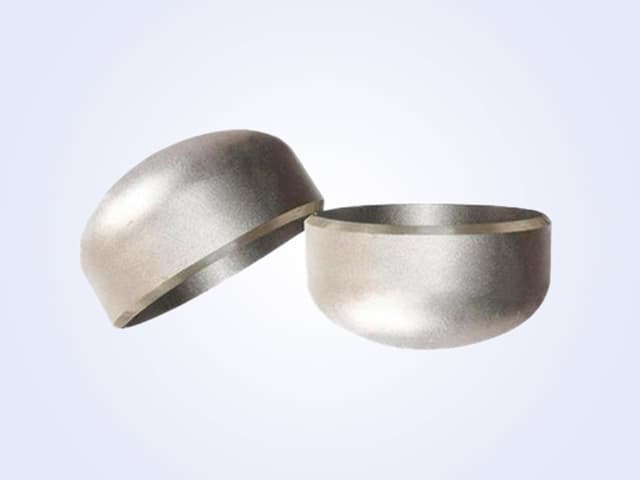
Products covered in this article
Sourcing any of these? Send the spec and our pressure-piping desk replies within 4 business hours.
Related reading
 Buyer guide
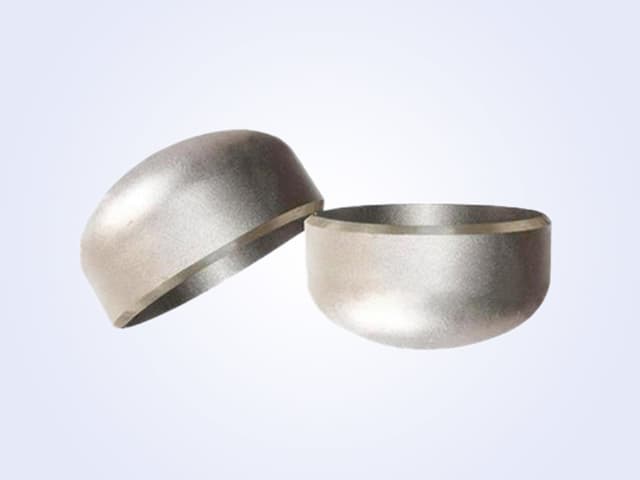
NDT Personnel Certificate Review: Method, Level, Sector and Scope
Verifying NDT personnel certificates is more than checking a name and expiry date. This guide explains the key elements—method, level, sector, and scope—and highlights the differences between ISO 9712, ASNT 9712, ASNT NDT, and employer-based SNT-TC-1A certifications.
 Buyer guide
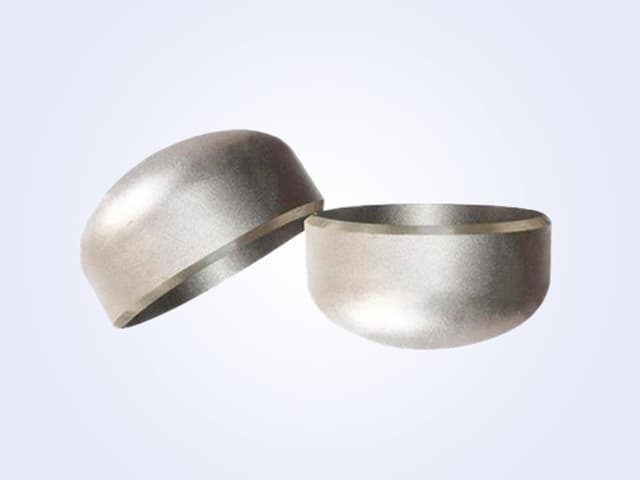
How to Review WPS, PQR and Welder Qualification Documents
A practical guide for EPC engineers and procurement managers on reviewing welding procedure specifications (WPS), procedure qualification records (PQR), and welder certificates, with key checks and common pitfalls.
 Buyer guide
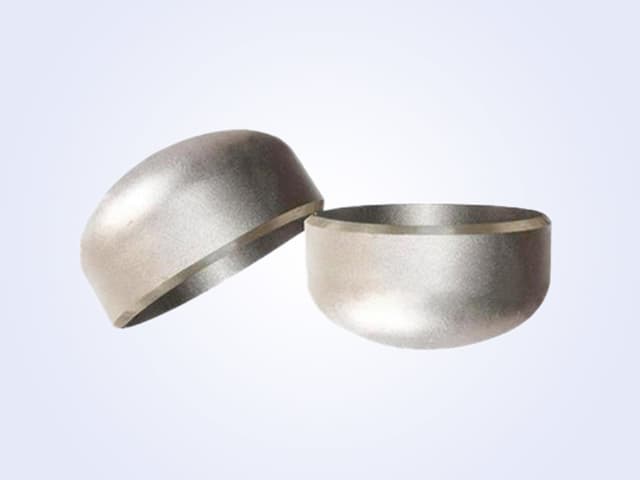
Metallic vs Nonmetallic Flange Gaskets: A Buyer Selection Guide
Choosing between metallic and nonmetallic flange gaskets requires more than a quick comparison. This guide explains the ASME standards that govern each family, the critical factors to evaluate, and the procurement checks that prevent costly joint failures.