Understanding Butt Weld Fitting Types
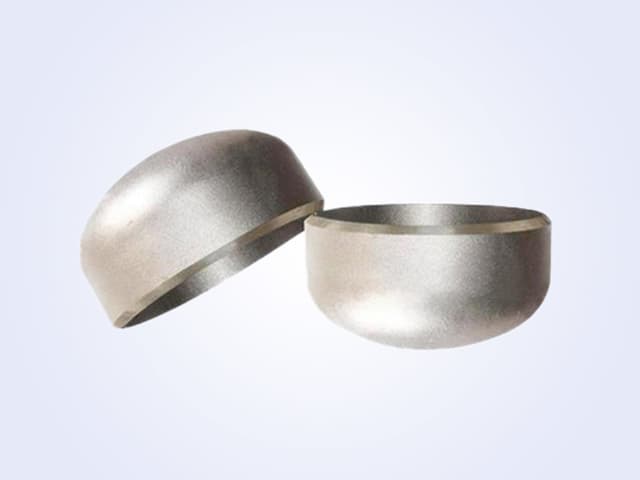
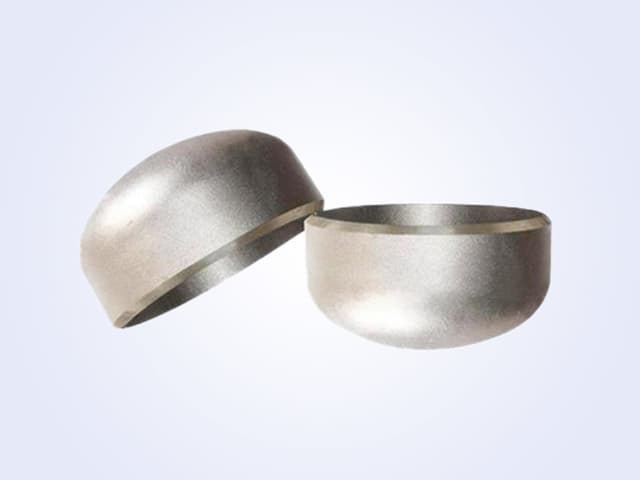
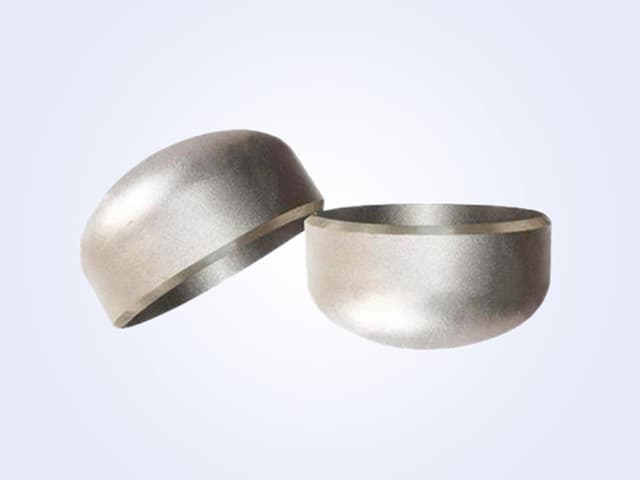
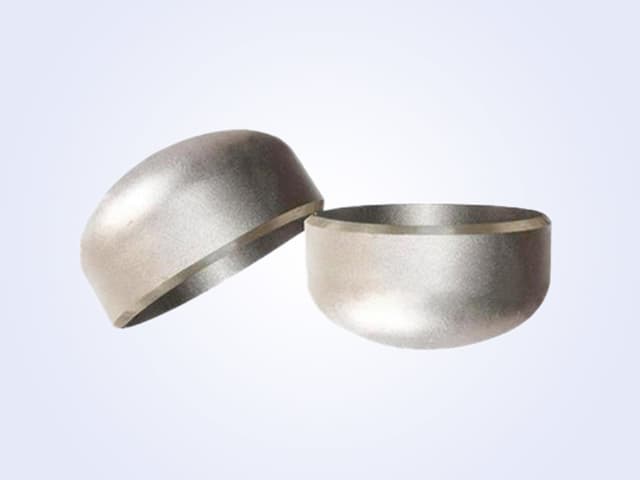
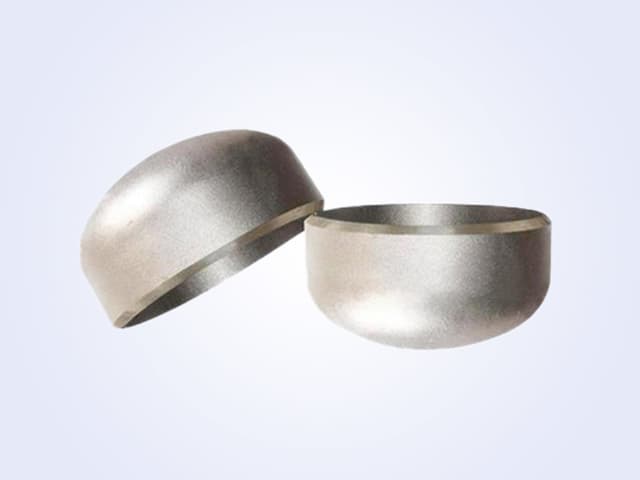
Butt weld fittings are essential components in piping systems, used to change direction, branch, or reduce pipe size. Common types include elbows (45°, 90°, 180°), tees (equal and reducing), reducers (concentric and eccentric), caps, and stub ends. When procuring, first identify the specific fitting types needed based on the piping layout. For example, long-radius elbows are preferred for high-pressure systems to minimize turbulence, while short-radius elbows suit tight spaces. Always confirm the exact geometry (e.g., angle, bend radius) with your engineering team before sending inquiries.
Critical Standards and Specifications
Butt weld fittings must comply with international standards to ensure dimensional consistency and mechanical properties. Key standards include:
- Dimensions: ASME B16.9 (factory-made wrought butt welding fittings) for nominal pipe sizes, ASME B16.28 for short-radius elbows and returns.
- Material Specifications: ASTM A234 (carbon steel), ASTM A403 (stainless steel), ASTM A420 (low-temperature carbon steel), or ASTM B366 (nickel alloys).
- Pressure Class: ASME B16.5 or B16.47 for flange compatibility if applicable.
- Testing: ASME B16.9 does not mandate pressure testing, but many buyers require hydrostatic testing per ASME B31.3 or the project code.
When requesting quotes, specify the governing standard and edition (e.g., ASME B16.9-2018). This avoids ambiguity and ensures fittings mate correctly with pipes.
Material Selection for Process Conditions
Material choice depends on fluid type, temperature, pressure, and corrosion resistance requirements. Common grades:
- Carbon Steel (ASTM A234 WPB): Suitable for non-corrosive services like water, oil, gas, and steam up to moderate temperatures (around 800°F / 425°C).
- Stainless Steel (ASTM A403 WP304/304L, 316/316L): For corrosive environments, food processing, chemical plants. 316L offers better resistance to chlorides.
- Alloy Steel (ASTM A234 WP22, WP91): For high-temperature (above 1000°F / 540°C) or high-pressure services like power generation.
- Nickel Alloys (ASTM B366 UNS N08800, N06625): For extreme corrosion or high-temperature oxidation.
Always provide the design temperature and pressure, as well as the fluid composition (including any corrosive agents or chlorides) to allow the manufacturer to recommend the optimal material.
Dimensions and Wall Thickness Compatibility
Butt weld fittings are manufactured with the same nominal pipe size (NPS) and schedule (wall thickness) as the connected pipe, but the actual end diameter and wall thickness must match. Key dimensions to specify:
- Nominal Pipe Size (NPS): e.g., 4 inch.
- Schedule: Schedule 40, 80, 160, or specific wall thickness in inches or millimeters.
- End Preparation: Bevel for welding per ASME B16.25 (standard bevel, compound bevel, etc.).
- Length: For reducers, specify large end and small end NPS; for elbows, include center-to-end dimension.
Common mistakes include ordering reducers with wrong eccentric orientation or elbows with incorrect bending radius. Include a clear dimensional drawing or reference standard to avoid errors.
Pressure-Temperature Ratings
Butt weld fittings do not have a separate pressure rating; their strength is determined by the material and wall thickness relative to the pipe wall. However, derating may occur at elevated temperatures. The allowable stress for the material (from ASME Section II Part D) decreases above certain temperatures. For high-temperature applications, verify that the fitting's material grade is rated for the operating conditions. For example, standard carbon steel WPB is limited to 800°F, while low-alloy steel WP22 can handle up to 1100°F.
Quality Risks and Inspection Requirements
Common quality issues with butt weld fittings include:
- Dimensional non-conformance: Out-of-tolerance bevel angles, mismatch in wall thickness.
- Surface defects: Cracks, laminations, pits, or excessive scratches.
- Chemical composition or mechanical properties out of spec: Improper heat treatment or material substitution.
Mitigate risks by:
- Requesting mill test certificates (MTCs) per EN 10204 Type 3.1 or 3.2.
- Specifying non-destructive testing (NDT) such as dye penetrant (PT) or radiographic (RT) for critical service.
- Conducting random dimensional checks upon receipt using calibrated tools.
RFQ Checklist for Butt Weld Fittings
When sending an RFQ to manufacturers like Hebei Haihao Group, include the following information:
- Quantity and fitting type (e.g., 50 pcs 90° long-radius elbow)
- Nominal pipe size and schedule (e.g., 6" Sch 40)
- Material grade and standard (e.g., ASTM A403 WP316L)
- End preparation (bevel per ASME B16.25)
- Any special testing or certification requirements (e.g., PMI, hydrostatic test, MTC 3.1)
- Delivery timeline and packaging requirements (e.g., fumigated wooden crates for export)
Clear communication reduces lead time and ensures you receive exactly what your project needs.
Why Partner with a Reliable Manufacturer
Selecting the right supplier is as important as selecting the product. Look for manufacturers with:
- Proven experience in your industry (oil & gas, petrochemical, power, etc.).
- Accreditation to ISO 9001 and compliance with relevant ASME or EN standards.
- Capability to provide full traceability and documentation.
- Positive reputation for on-time delivery and responsive support.
Hebei Haihao Group has over 30 years of experience manufacturing butt weld fittings, forged flanges, and pipe bends. We offer a wide range of materials, schedules, and custom dimensions to meet your project requirements. Our quality control includes chemical analysis, mechanical testing, and dimensional inspection, with complete documentation provided.
Ready to source butt weld fittings for your next project? Contact Hebei Haihao Group with your RFQ details. Our engineering team will help you select the right products and provide a competitive quotation.
Need a quote for the products mentioned in this article?
Submit your specs and our pressure piping team will respond within one business day.
Send RFQQuote in 4 hours
Products covered in this article
Sourcing any of these? Send the spec and our pressure-piping desk replies within 4 business hours.
Related reading
 Buyer guide
Orifice Flange RFQ Checklist: Class, Type, Taps and Documents
Specifying orifice flanges requires more than a standard flange RFQ. This checklist covers ASME B16.36 scope, class/type limits, tap details, and documentation gaps to verify before ordering.
 Buyer guide
Gray Iron vs Ductile Iron Flanges: A Procurement Comparison
Gray iron and ductile iron flanges are covered by different ASME standards with distinct classes and ratings. This guide explains the key differences, procurement checks, and RFQ requirements to avoid costly specification errors.
 Buyer guide
NPT Threaded Fitting Inspection: B1.20.1 Gauging and RFQ Controls
Learn how to inspect NPT threaded fittings per ASME B1.20.1 and B16.11, including gauging, RFQ inputs, and documentation checks for EPC buyers.