Introduction
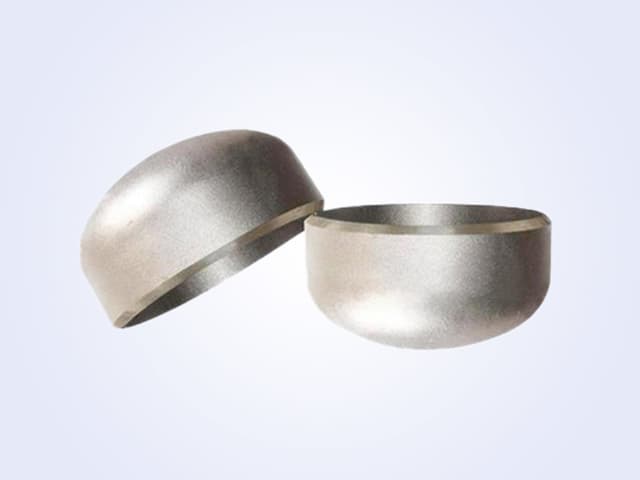
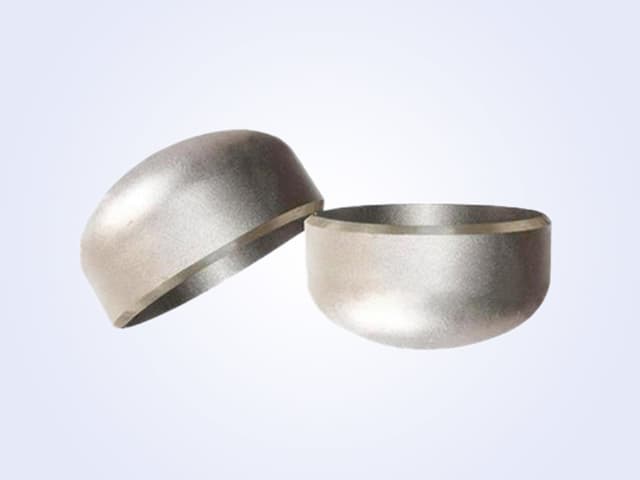
Butt weld fittings—such as elbows, tees, reducers, and caps—are essential components in industrial piping systems. While they may appear simple, their selection directly impacts system safety, operational efficiency, and long-term maintenance costs. For procurement engineers and industrial buyers, understanding the technical and commercial nuances of sourcing these fittings is crucial. This guide provides practical insights to help you make informed decisions when specifying and purchasing butt weld fittings.
Why Butt Weld Fittings Matter in Procurement
In global EPC projects, a single non-conforming fitting can cause leaks, pressure drops, or even catastrophic failures. Properly selected fittings ensure:
- System integrity: Weld consistency and material compatibility prevent failures under extreme temperatures or pressures.
- Operational efficiency: Correct geometry reduces flow resistance and energy consumption.
- Lifecycle cost savings: High-quality fittings minimize downtime and replacement frequency.
Procurement teams must therefore balance cost with technical compliance, relying on clear specifications and supplier capability assessments.
Key Standards to Confirm
Butt weld fittings are manufactured to various international standards. When procuring, verify that the supplier adheres to the following (as applicable to your project):
| Standard | Scope |
|---|---|
| ASME B16.9 | Factory-made wrought butt welding fittings (dimensions, tolerances) |
| ASME B16.5 / B16.47 | Flanges (if combined) – but focus on fittings |
| ASTM A234 / A403 / A420 | Material specifications for carbon/alloy/stainless steel fittings |
| MSS SP-43 | Wrought stainless steel butt weld fittings (light wall) |
| ISO 15590 / EN 10253 | International and European equivalents |
| Pressure ratings (Class 150–2500, Schedule 10S–160) |
Always confirm that the material grade (e.g., ASTM A234 WPB for carbon steel, ASTM A403 WP304/316 for stainless) matches your piping specification. Also, check if your project requires supplementary testing such as Charpy impact, hardness, or PMI.
Critical Material and Dimension Considerations
Material Selection
- Carbon steel (WPB, WPL6): Suitable for general service, high-temperature, or low-temperature applications when impact-tested.
- Stainless steel (304/304L, 316/316L): Used in corrosive environments, food processing, or clean utilities.
- Alloy steel (WP11, WP22): For high-temperature or high-pressure steam systems.
Confirm that the material complies with the relevant ASTM standard and is traceable via mill test certificates (MTCs).
Dimension and Wall Thickness
Fittings must match the pipe schedule (wall thickness) and nominal size. Common schedules include Sch 10, Sch 40, Sch 80, and Sch 160. For butt welds, the inside diameter alignment and bevel preparation affect weld quality. Request fitting bevel dimensions (root face, bevel angle) per ASME B16.25.
Tolerance Compliance
ASME B16.9 specifies tolerances on dimensions such as center-to-end, outside diameter at bevel, and wall thickness. Out-of-tolerance fittings can cause weld misalignment or stress concentrations.
Inspection and Documentation Requirements
To ensure quality, specify the following documentation in your purchase order:
- Mill Test Certificate (MTC) per EN 10204 type 3.1 (or 3.2) – must include chemical composition, mechanical properties, and heat number.
- Pressure & leak tests – e.g., hydrostatic or pneumatic testing per project requirements (but note that fittings are normally tested by the pipe spool fabricator).
- Non-destructive examination (NDE) – radiographic (RT), ultrasonic (UT), magnetic particle (MT), or dye penetrant (PT) as specified.
- Visual and dimensional inspection report certified by an independent inspector.
- Positive Material Identification (PMI) test certificate confirming alloy grade.
- Coating or galvanizing certificate if applicable.
Insist that all certificates be provided with the dispatch documents to avoid delays during material receiving inspection (MRI).
RFQ Checklist for Butt Weld Fittings
When issuing an RFQ (Request for Quotation), include the following details to obtain accurate pricing and lead times:
- Quantity and type (e.g., 10 pcs 90° long radius elbow)
- Nominal size (e.g., 6" DN150)
- Schedule / wall thickness (Sch 80)
- Material grade (ASTM A234 WPB)
- Standard (ASME B16.9)
- End preparation (beveled for butt weld, per ASME B16.25)
- Special requirements (e.g., heat treatment, PMI, Charpy test at -20°C)
- Packaging and marking (e.g., steel bundle, stencilled with heat number)
- Delivery terms (Incoterm, destination)
- Required certifications (MTC type 3.1, NDT report)
Sending a clear, standardized RFQ reduces the risk of receiving non-compliant products.
Common Quality Risks and How to Avoid Them
- Material substitution: A supplier may supply a lower grade without notification. Mitigate by requiring PMI and reviewing MTCs.
- Non-conforming dimensions: Use a dimension checklist and request inspection photos or third-party survey.
- Weld defects from poor bevels: Confirm bevel angles and root faces prior to shipment.
- Missing or incorrect documentation: Specify document requirements in the PO and request draft copies before shipment.
- Mixed lots (e.g., different heat numbers mixed in one bundle): Require each fitting to be stamped with the heat number and accept only traceable batches.
What to Send Before Requesting a Quotation
To help suppliers quote accurately and quickly, provide:
- Piping material specification (PMS) or line list referencing the fitting requirement.
- Engineering drawings showing dimensions and tolerances if non-standard.
- Inspection & test plan (ITP) extract applicable to fittings.
- Supplier qualification questionnaire – if new supplier.
- Previous rejection data (if any) to highlight critical parameters.
Pre-qualifying suppliers based on their quality management system (e.g., ISO 9001) and prior experience in your industry can also streamline procurement.
Conclusion
Choosing the right butt weld fittings is not a trivial task—it requires careful specification, thorough inspection planning, and diligent supplier management. By confirming standards, demanding complete documentation, and issuing detailed RFQs, procurement engineers can significantly reduce project risks and long-term costs.
When sourcing butt weld fittings, Hebei Haihao Group offers a comprehensive range of carbon steel, stainless steel, and alloy fittings manufactured in accordance with ASME, ASTM, and EN standards. Their products are supported by full mill traceability, third-party inspection options, and competitive lead times.
Request a quote today by providing your material specifications, sizes, quantities, and any special requirements. Email inquiries to [sales@haihao.com] or visit www.haihao.com.cn for more information.
Need a quote for the products mentioned in this article?
Submit your specs and our pressure piping team will respond within one business day.
Send RFQQuote in 4 hours
Products covered in this article
Sourcing any of these? Send the spec and our pressure-piping desk replies within 4 business hours.
Related reading
 Buyer guide
Hydrogen Piping Components: What an ASME B31.12 RFQ Must Define
ASME B31.12 governs hydrogen piping and pipelines. This guide explains what EPC engineers and procurement managers must specify in an RFQ for seamless pipes and socket-weld forged fittings, covering code parts, material verification, and inspection requirements.
 Buyer guide
Buttweld Spool Fit-Up: Coordinating ASME B16.9 Fittings and B16.25 Ends
Learn how to coordinate ASME B16.9 fittings with B16.25 bevel ends for reliable buttweld spool fit-up. Includes procurement checks, inspection points, and common risks.
 Buyer guide
Valve End Connections and Mating Flanges: A B16.34 and B16.5 Buying Guide
Understand how ASME B16.34 and B16.5 interact for valve-to-flange compatibility. Learn key procurement checks, RFQ inputs, and inspection points to avoid mismatches.