Understanding ASTM A860/A860M
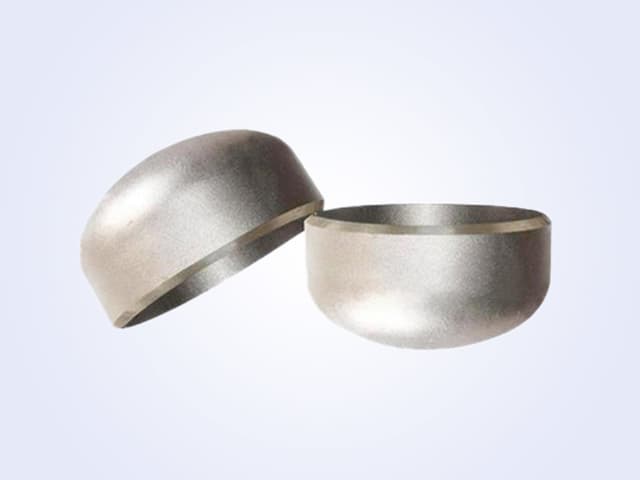
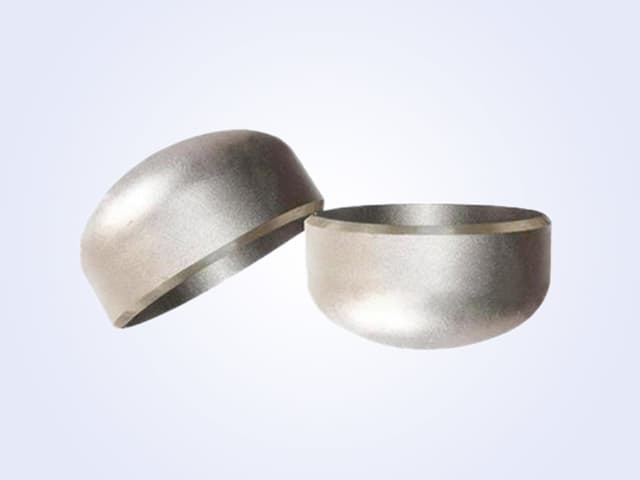
ASTM A860/A860M is the standard specification for wrought high-strength ferritic steel butt-welding fittings. These fittings are produced in both seamless and electric-fusion-welded (EFW) constructions and are intended for high-pressure gas and oil transmission and distribution systems. The standard covers fittings with dimensions conforming to ASME B16.9 or MSS SP-75, and it allows for fittings that differ from ASME B16.9 when ordered to Supplementary Requirement S58 of Specification A960/A960M.
It is important to note that ASTM A860 does not cover cast-welding fittings or fittings machined from castings. The starting materials for these fittings include plate, sheet, forgings, forging quality bar, and seamless or fusion-welded tubular products with filler metal added. Heat treatment is mandatory and may be normalizing, quenching and tempering, or stress relieving, depending on the grade and required properties.
Key Requirements and Grades
ASTM A860 specifies chemical composition and mechanical property requirements, including yield strength, tensile strength, elongation, notch toughness, and hardness. The standard includes several grades, such as WPHY 42, WPHY 46, WPHY 52, WPHY 56, WPHY 60, WPHY 65, and WPHY 70. The grade designation indicates the minimum yield strength in ksi (e.g., WPHY 52 has a minimum yield strength of 52 ksi). However, the grade number alone does not define all required properties; the purchase order must specify the grade, heat treatment condition, and any supplementary requirements.
Hydrostatic Testing: Not a Default Requirement
One of the most common misconceptions about ASTM A860 is that hydrostatic testing is required. The standard explicitly states that hydrostatic testing is not required by this specification. This means that unless the buyer specifies hydrostatic testing as an additional requirement, the manufacturer is not obligated to perform it. For applications where hydrostatic testing is necessary, the buyer must include it in the purchase order, possibly as a supplementary requirement or by referencing another standard such as ASME B31.3 or ASME B31.8.
Supplementary Requirements and NDE
ASTM A860 includes optional supplementary requirements that provide for a greater degree of examination when desired. These may include additional non-destructive examination (NDE) methods such as radiography, ultrasonic testing, magnetic particle testing, or liquid penetrant testing. The buyer must explicitly order any of these supplementary requirements; they are not automatically included. When specifying NDE, it is crucial to define the acceptance criteria, which may be referenced from other standards or agreed upon between the buyer and manufacturer.
Procurement Checks and RFQ Inputs
When procuring ASTM A860 fittings, the following points should be addressed in your RFQ and purchase order:
- Grade and Heat Treatment: Specify the exact grade (e.g., WPHY 52) and the required heat treatment condition (normalized, quenched and tempered, or stress relieved).
- Dimensions and Tolerances: Reference ASME B16.9 or MSS SP-75 for dimensions and tolerances. If custom dimensions are needed, specify them clearly and note that they will be furnished per Supplementary Requirement S58 of A960/A960M.
- Hydrostatic Testing: If required, state it explicitly. Otherwise, the fittings will not be hydrostatically tested.
- NDE Requirements: List any supplementary examinations you require, such as 100% radiography or ultrasonic testing, and specify the acceptance criteria.
- Toughness Requirements: For low-temperature service, specify the required Charpy V-notch impact test temperature and energy values. ASTM A860 includes notch toughness requirements, but the specific temperature and values must be agreed upon.
- Material Traceability: Require mill test certificates (MTC) per EN 10204 3.1 or 3.2, and ensure that the chemical and mechanical properties are reported.
- Marking: Per MSS SP-25, fittings must be marked with the standard, grade, size, schedule, heat number, and manufacturer's name or trademark.
Inspection and Documentation Points
During inspection, verify the following:
- Chemical Composition: Check the MTC against the limits in ASTM A860 for the specified grade.
- Mechanical Properties: Confirm that yield, tensile, elongation, and hardness meet the requirements.
- Heat Treatment Records: Ensure that the heat treatment process was performed as specified and that records are available.
- Dimensional Inspection: Measure critical dimensions such as wall thickness, end diameters, and overall length against ASME B16.9 or MSS SP-75 tolerances.
- NDE Reports: If supplementary NDE was ordered, review the reports and ensure they meet the specified acceptance criteria.
- Visual Inspection: Check for surface defects, weld quality (for EFW fittings), and proper bevel preparation.
Common Risks and How to Mitigate Them
- Assuming Hydrostatic Testing is Included: As noted, it is not. Always specify if required.
- Incomplete Grade Specification: The grade number alone does not define all properties. Specify the full grade and any additional requirements.
- Mismatch with Line Pipe: Ensure that the fitting grade and toughness are compatible with the line pipe material. For example, if the line pipe is API 5L X52, a WPHY 52 fitting may be appropriate, but verify the toughness requirements.
- Inadequate NDE: Without specifying supplementary NDE, fittings may have undetected defects. Consider the criticality of the service and order appropriate NDE.
- Documentation Gaps: Insist on complete MTCs and heat treatment records to ensure traceability and compliance.
Conclusion
ASTM A860 is a widely used standard for high-strength buttweld fittings in oil and gas pipelines. Understanding its scope, requirements, and limitations is essential for successful procurement. Remember that hydrostatic testing is not a default requirement, and any additional examinations must be explicitly ordered. By specifying the grade, heat treatment, dimensions, and supplementary requirements clearly, you can ensure that the fittings meet your project's needs.
For a comprehensive range of buttweld fittings and flanges, visit our products page. If you have specific requirements or need assistance with your RFQ, please contact us.
Sources
Besoin d'un devis pour les produits cités dans cet article ?
Envoyez vos spécifications, notre équipe répondra sous un jour ouvré.
Envoyer RFQDevis sous 4 h
Produits abordés dans cet article
Besoin d'un devis ? Envoyez vos spécifications, notre bureau tuyauteries répond sous 4 heures ouvrées.
 Bride
 Bride
 Bride
ASTM A105 / A182 F11/F22/F304/F316; GB/T carbon, alloy, stainless steel
À lire également
 Normes
ASTM A815 Duplex Stainless Fittings: WP and CR Class Meanings
Understand the WP and CR classes in ASTM A815 for duplex stainless fittings, including subclasses WP-S, WP-W, WP-WX, and WP-WU, and how they affect procurement and inspection.
 Normes
ASTM A403 Stainless Steel Fittings: Grades and Classes Explained
Understand ASTM A403/A403M for wrought austenitic stainless steel fittings: WP/CR grades, classes, heat treatment, and procurement checks for EPC buyers.
 Normes
ASTM A694 Forgings for High-Pressure Transmission Service
ASTM A694/A694M covers forged or rolled steel flanges, fittings, valves, and parts for high-strength transmission-service pipe. This guide explains grades, procurement checks, and inspection points for EPC buyers.