Weld repair acceptance is a common source of confusion for EPC engineers, procurement managers, and inspectors because it is not a simple visual judgement. For wrought steel piping fittings, the acceptance decision is defined by a hierarchy of documents: the product specification, the common-requirements standard, the purchase order, and any project-added requirements. This article explains how to evaluate weld repair acceptance for fittings under ASTM A234/A234M, using ASTM A960/A960M as the common requirements document, and shows exactly where you must fill gaps by verification.
Why Weld Repair Acceptance Cannot Be Judged by Eye
The first and most important point is that weld repair acceptance must be evaluated against the product specification, the common requirements, the purchase order, and any project additions — not against a generic visual rule. A repair that might be acceptable for one grade or service condition can be unacceptable for another. The visible appearance of a repaired area tells you only that work was done; it does not tell you whether the repair was permitted, whether it was performed with a qualified procedure, whether post-weld heat treatment restored the material properties, or whether the required non-destructive examination was completed and passed.
When you see a weld repair on a fitting, the immediate response should be to pull the applicable documents and verify the conditions of acceptance. If the purchase order and project specification do not contain explicit repair acceptance provisions, the question must be referred to the purchaser's engineer and the supplier before any repair is approved.
The Governing Documents: A960/A960M and A234/A234M
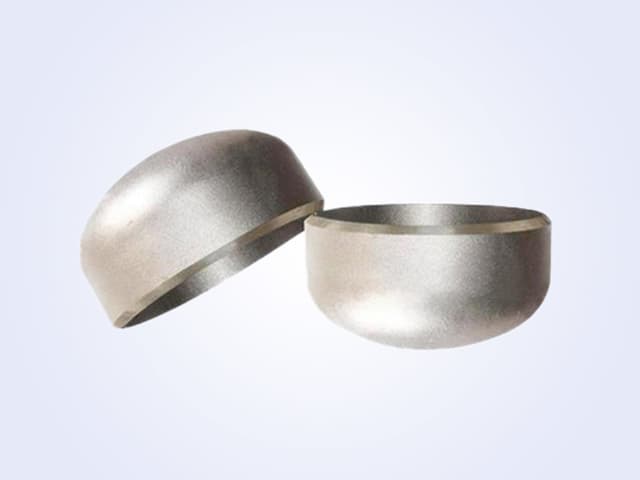
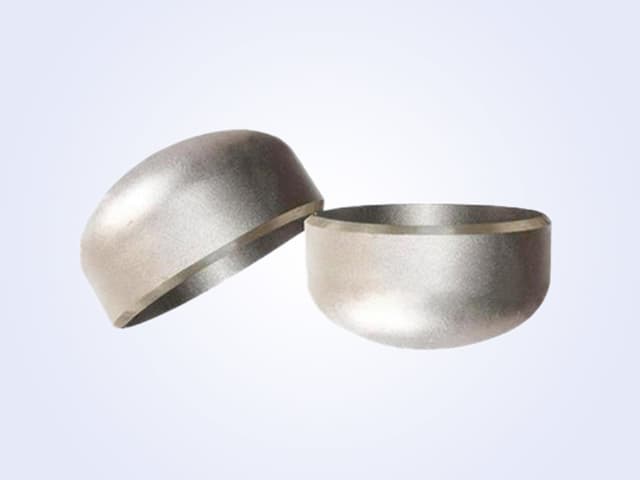
ASTM A960/A960M is the common-requirements document for a family of wrought-steel piping-fitting specifications. It covers material, heat treatment, chemical analysis, mechanical testing, and other general requirements that apply to fittings manufactured under individual product specifications. One of those product specifications is A234/A234M, which covers wrought carbon steel and alloy steel fittings of seamless and welded construction for pressure piping at moderate and elevated temperatures.
A234/A234M states that these fittings are for use in pressure piping and pressure vessel fabrication, and that the material for fittings may consist of killed steel, forgings, bars, plates, or seamless or fusion-welded tubular products. The specification also covers construction that references ASME B16.9, B16.11, MSS-SP-79, MSS-SP-83, MSS-SP-95, and MSS-SP-97.
A960/A960M establishes the common requirements, but where there is a conflict between a requirement in the individual product specification and a requirement in the common-requirements specification, the individual product specification prevails. That is critical for weld repair acceptance because a repair allowance in A960/A960M cannot override a prohibition in the product specification, and vice versa.
Neither the text of A960/A960M nor A234/A234M is fully reproduced in the supplied source extracts. Therefore, this article does not attempt to state a specific defect size limit, an NDE method, or a heat-treatment rule. Instead, it lists what you must verify from the current editions of these standards and from your purchase order.
What the Standards Actually Require You to Verify
The following items must be confirmed from the current standard revision, the purchase order, and any project specification that applies to the order:
- Whether weld repair is permitted at all for the ordered grade and manufacturing process.
- Which defects are considered repairable and which ones require rejection of the fitting.
- The maximum size, depth, and number of repair areas allowed, if any.
- Whether the repair requires a qualified welding procedure specification (WPS) and performance qualification records (PQR) that match the material and repair method.
- Whether preheat before welding and post-weld heat treatment (PWHT) are required after repair, and what the exact temperature and time range must be.
- What NDE method and extent must be applied to the repaired area and to the adjacent base material.
- Whether the purchaser must give written approval before repair starts, and whether a third-party inspector must witness the repair.
- How the repair is to be documented on the material test certificate and in the inspection file.
The only safe approach is to obtain the current text of A234/A234M and A960/A960M, read the repair clauses, and then confirm that the purchase order includes any purchaser-specific requirements. If the standard does not give you enough detail, ask the supplier for their internal repair procedure and evaluate it against the project's requirements.
Procurement Checks and RFQ Inputs
When you prepare an RFQ for fittings that may require weld repair, include the following inputs so the supplier can respond with a complete and compliant quote:
- State that weld repair acceptance must follow the applicable revision of the product specification, the common-requirements standard, and the purchase order.
- Ask the supplier to declare whether any weld repair is planned or has already been performed on the fittings offered.
- Require submittal of the proposed repair WPS/PQR, welder certifications, and heat-treatment details for purchaser review before manufacturing.
- Specify the NDE method and extent for repaired areas if the project specification is more stringent than the base standard.
- If you expect no weld repair on certain critical fittings, state that clearly in the RFQ and require the supplier to confirm compliance.
You can review available fitting options in our product range, and when you are ready to specify your exact requirements, send us a request a quotation with the repair acceptance criteria clearly listed.
Inspection and Documentation Points
During inspection, do not limit the check to the visible weld. The following documentation must be available and reviewed:
- Material test certificates that reference any repair performed, including defect type, size, location, and the repair procedure identification.
- Repair records that align with the approved WPS and with the purchase order, including date of repair, welder name, and qualification number.
- Heat-treatment charts or furnace records that prove the required post-weld heat treatment was applied to the repaired part.
- NDE reports for the repaired area, including the method, acceptance criteria, and result interpretation.
- A clear repair or rejection decision that can be traced back to the standard clause and the purchaser's approval.
If the supplier cannot provide these documents, the repair should not be accepted, and you should require further investigation or replacement of the fitting.
Common Procurement Risks
Several risks appear frequently when weld repair acceptance is not managed tightly:
- Assuming that weld repair is always allowed or always prohibited for a given standard.
- Applying a generic visual acceptance criterion from another project or standard to a A234/A234M fitting.
- Failing to specify purchaser approval in the purchase order, leaving the supplier to decide whether a repair is acceptable.
- Accepting a repair record that mentions a defect but does not include the repair procedure, heat treatment, or NDE evidence.
- Ignoring the revision date of A234/A234M and A960/A960M; older or newer editions may contain different requirements.
- Not checking whether the project specification adds more restrictive requirements, such as no repairs on certain alloy grades or in sour service.
The supplied source extracts do not state whether weld repair is always acceptable or always forbidden. The decision must be made from the actual standard text and the purchase order. If you are uncertain, require the supplier to provide written confirmation of their repair procedure and obtain approval before the work is done.
Sources
- https://store.astm.org/a0960_a0960m-25a.html
- https://store.astm.org/a0234_a0234m-26.html
Besoin d'un devis pour les produits cités dans cet article ?
Envoyez vos spécifications, notre équipe répondra sous un jour ouvré.
Envoyer RFQDevis sous 4 h
Produits abordés dans cet article
Besoin d'un devis ? Envoyez vos spécifications, notre bureau tuyauteries répond sous 4 heures ouvrées.
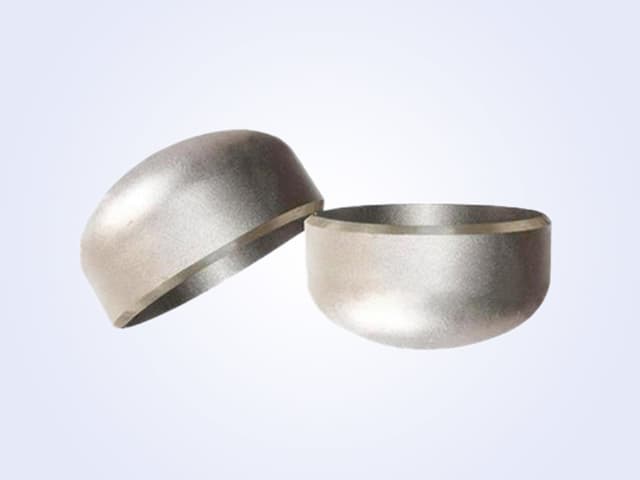
À lire également
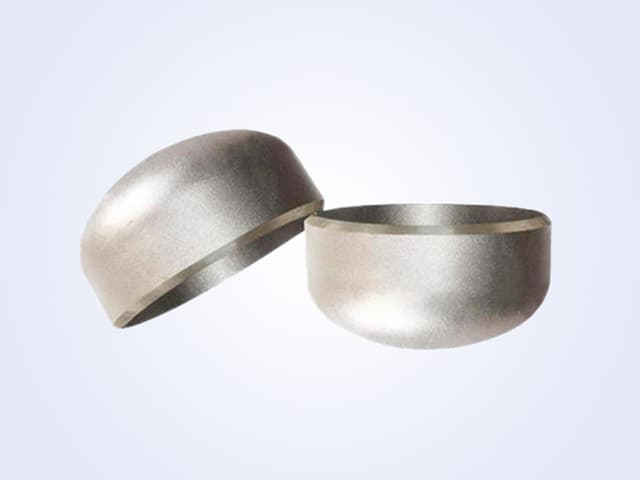 Technique
ASTM A960 Wrought Fitting Requirements: What Buyers Must Know
ASTM A960 sets common requirements for wrought steel pipe fittings covered by individual ASTM product specs like A234. This guide explains what buyers must verify when ordering and inspecting fittings.
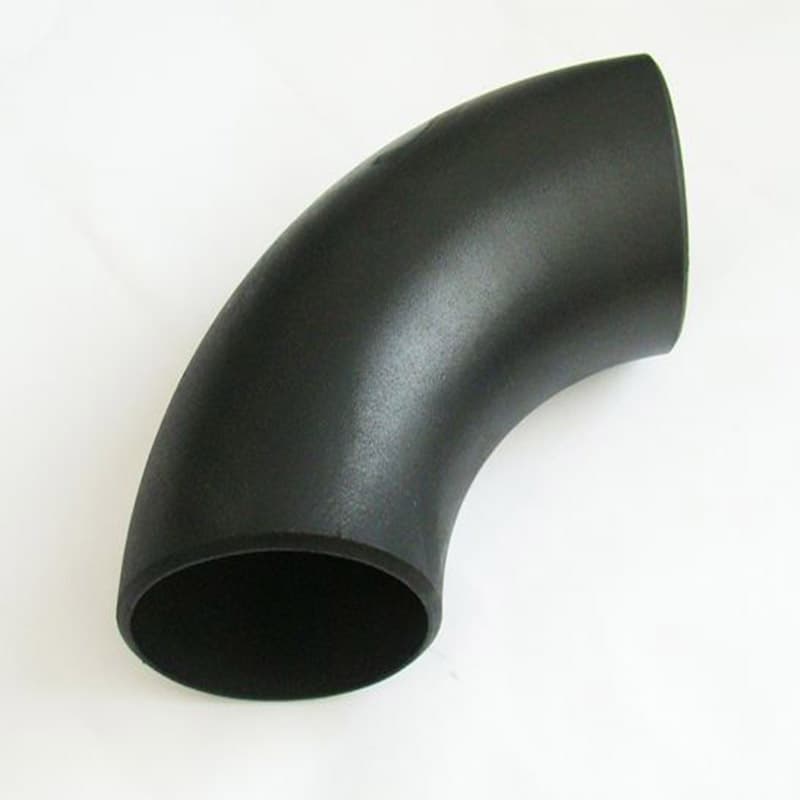 Technique
Steel Forging Traceability Checks Under ASTM A961
How to verify heat identity, heat analysis vs product analysis, mechanical test evidence, and RFQ requirements when buying forged flanges to ASTM A961 and A105.
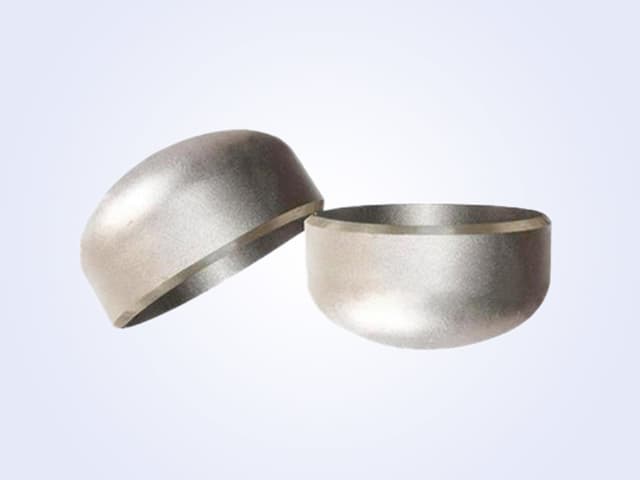 Technique
Flange Facing and Gasket Compatibility Checklist
ASME publishes separate standards for metallic and nonmetallic gaskets. This checklist helps buyers cross-check gasket type, flange facing, and procurement details before issuing an RFQ.