Introduction
For EPC engineers and procurement managers, achieving a smooth buttweld spool fit-up is critical to project schedule and weld quality. Two ASME standards govern the key components: ASME B16.9 for factory-made wrought buttwelding fittings and ASME B16.25 for the preparation of buttwelding ends. Understanding how these standards interact helps you specify, procure, and inspect components that fit together correctly on the spool.
This guide explains the roles of each standard, how to coordinate them in procurement, and what to verify during inspection. It is written for buyers who need practical, actionable information without relying on unverified assumptions.
The Two Standards: What They Cover
ASME B16.9 – Factory-Made Wrought Buttwelding Fittings
ASME B16.9 covers overall dimensions, tolerances, ratings, testing, and markings for factory-made wrought buttwelding fittings in sizes NPS 1/2 through NPS 48 (DN 15 through DN 1200). It applies to fittings of any producible wall thickness. The standard includes short radius elbows and returns, which were previously in ASME B16.28. It does not cover low pressure corrosion resistant buttwelding fittings (see MSS SP-43).
ASME B16.25 – Buttwelding Ends
ASME B16.25 covers the preparation of buttwelding ends of piping components to be joined by welding. It includes requirements for welding bevels, external and internal shaping of heavy-wall components, and preparation of internal ends (including dimensions and tolerances). It covers joints with no backing rings, split or noncontinuous backing rings, solid or continuous backing rings, consumable insert rings, and gas tungsten arc welding (GTAW) of the root pass.
How They Work Together in Spool Fit-Up
In a buttweld spool, fittings (elbows, tees, reducers) are joined to pipe or other components. The fittings are manufactured to B16.9 dimensional standards, but the weld end preparation (bevel geometry) must comply with B16.25. The pipe ends are also prepared to B16.25. For a proper fit-up, the bevel angles, root faces, and internal profiles must match between the fitting and the pipe.
However, B16.9 does not automatically dictate the bevel preparation. The fitting manufacturer must be told to provide ends prepared to B16.25, and the pipe fabricator must also prepare pipe ends to the same standard. Coordination is essential.
Procurement Checks for Spool Fit-Up
When ordering fittings and pipe for spool fabrication, include the following in your RFQ:
- Specify the standard editions: State the exact edition of ASME B16.9 and ASME B16.25 that apply to your project. Editions change over time, and requirements may differ.
- Wall thickness and schedule: B16.9 covers any producible wall thickness, but the bevel preparation in B16.25 depends on wall thickness. Provide the nominal wall thickness or schedule for each fitting.
- Bevel type: Specify whether you need standard bevels, compound bevels, or special preparations for heavy-wall components. B16.25 includes requirements for external and internal shaping of heavy-wall components.
- Backing ring requirements: If your welding procedure uses backing rings (solid, split, or consumable inserts), state that in the RFQ. B16.25 covers preparation for joints with backing rings.
- Material and grade: Ensure the fitting material matches the pipe material and is suitable for the welding process.
- Marking and certification: Require markings per B16.9 and provide material test certificates as per your project specifications.
Inspection and Documentation Points
During inspection, verify the following:
- Dimensional compliance: Check that fittings meet B16.9 dimensional tolerances (e.g., outside diameter, wall thickness, center-to-end dimensions). Use calibrated tools and reference the standard.
- Bevel geometry: Verify that bevel angles, root face width, and internal profiles conform to B16.25. Use profile gauges or optical comparators.
- Surface condition: Inspect for defects such as cracks, laps, or excessive roughness that could affect weld quality.
- Marking: Confirm that each fitting is marked with size, material, schedule, and standard per B16.9.
- Documentation: Review material test certificates, heat numbers, and traceability records. Ensure they align with the purchase order.
Common Risks and How to Avoid Them
- Mismatched bevels: If the fitting bevel does not match the pipe bevel, fit-up gaps may exceed welding procedure limits. Mitigation: specify B16.25 in the RFQ and inspect bevels before welding.
- Incorrect wall thickness: Fittings may be supplied with a wall thickness that does not match the pipe schedule, causing misalignment. Mitigation: verify wall thickness on receipt.
- Ignoring heavy-wall requirements: For thick-wall components, B16.25 requires special internal shaping. If not specified, the fitting may not be suitable. Mitigation: provide wall thickness and request heavy-wall preparation.
- Assuming B16.9 includes bevels: B16.9 does not automatically include bevel preparation. Always specify B16.25 separately.
Practical Tips for EPC Engineers
- Coordinate with the welding engineer: Ensure the bevel preparation matches the qualified welding procedure specification (WPS).
- Use pre-fabrication meetings: Discuss fit-up requirements with the fabricator and fitting supplier to avoid misunderstandings.
- Consider fit-up tolerances: Allow for acceptable misalignment per the applicable piping code (e.g., ASME B31.3). B16.25 provides dimensions, but the piping code governs fit-up tolerances.
- Leverage prefabrication services: Consider using a supplier that offers prefabricated piping and installation services to streamline spool fabrication. Hebei Haihao Group provides prefabricated piping and installation solutions that can integrate fitting supply and spool fabrication.
Conclusion
Coordinating ASME B16.9 fittings with B16.25 ends is essential for successful buttweld spool fit-up. By specifying both standards clearly in your RFQ, verifying compliance during inspection, and understanding the interaction between them, you can reduce fit-up issues and improve weld quality. Always verify the specific requirements of your project's code edition and welding procedures, as these may impose additional constraints.
For a reliable supply of ASME B16.9 fittings, Hebei Haihao Group offers a wide range of seamless butt-welding pipe fittings that can be prepared to B16.25 ends. Contact us to discuss your spool fabrication needs.
Sources
- https://www.asme.org/codes-standards/find-codes-standards/b16-9-factory-made-wrought-buttwelding-fittings
- https://www.asme.org/codes-standards/find-codes-standards/b16-25-buttwelding-ends
इस लेख में उल्लिखित उत्पादों के लिए कोटेशन चाहिए?
अपनी विशिष्टताएं भेजें और हमारी प्रेशर पाइपिंग टीम एक कार्य दिवस के भीतर जवाब देगी।
RFQ भेजें4 घंटे में कोटेशन
इस लेख में शामिल उत्पाद
कोटेशन चाहिए? अपनी विशिष्टताएं भेजें — हमारी टीम 4 कार्य घंटों में जवाब देगी।
 रिड्यूसर
 रिड्यूसर
ASTM A234 WPB/WP11/WP22; A403 WP304/WP316; A420 WPL6; carbon, alloy, stainless
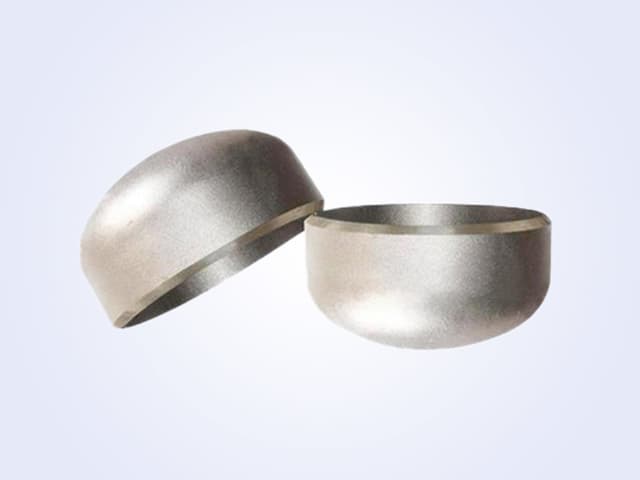 रिड्यूसर
ASTM A234 WPB/WP11/WP22; A403 WP304/WP316; A420 WPL6; carbon, alloy, stainless
संबंधित पठन
 खरीद गाइड
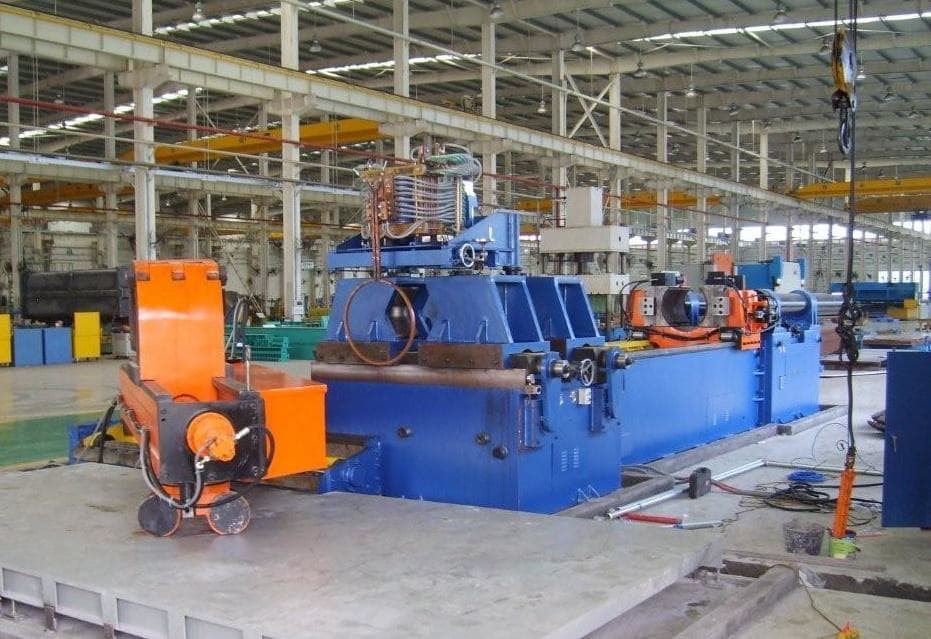
Valve End Connections and Mating Flanges: A B16.34 and B16.5 Buying Guide
Understand how ASME B16.34 and B16.5 interact for valve-to-flange compatibility. Learn key procurement checks, RFQ inputs, and inspection points to avoid mismatches.
 खरीद गाइड
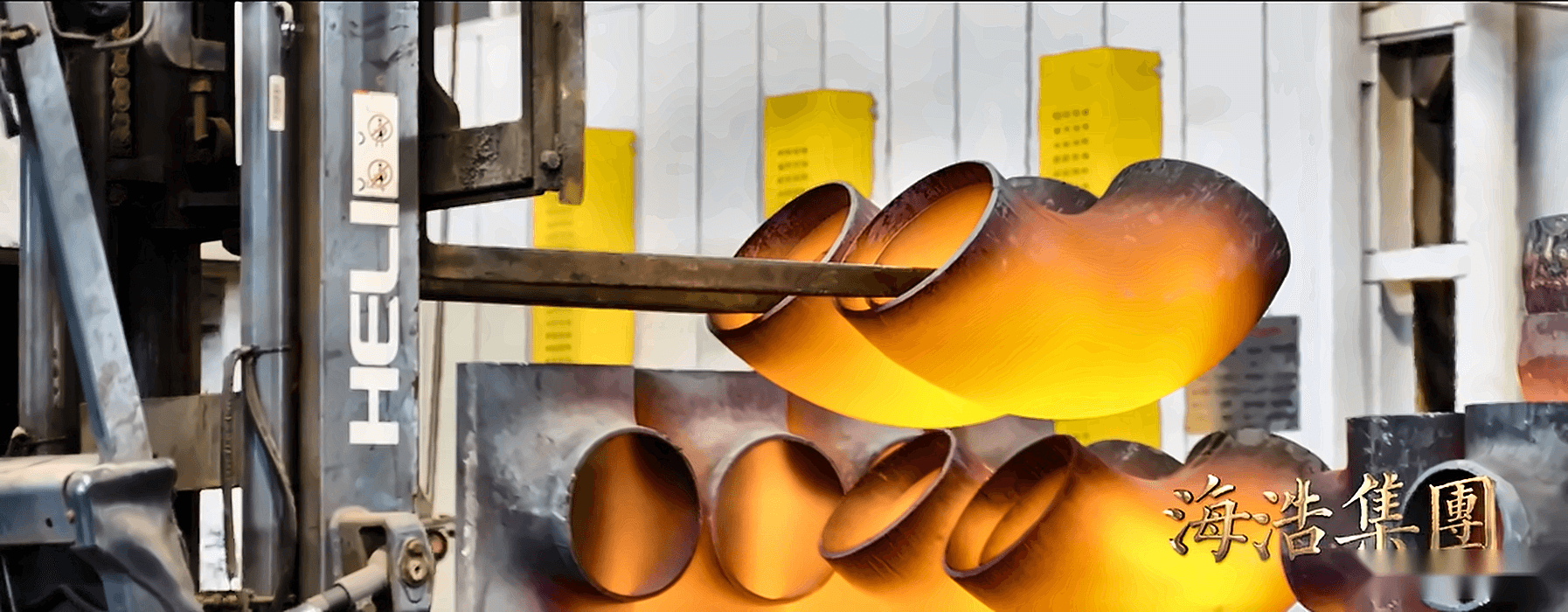
Matching ASME B16.11 Forged Fittings to Pipe Size and Schedule
Learn how to correctly match ASME B16.11 forged fittings to pipe size and schedule. Understand the relationship between fitting class and pipe schedule, and get practical procurement and inspection tips.
 खरीद गाइड
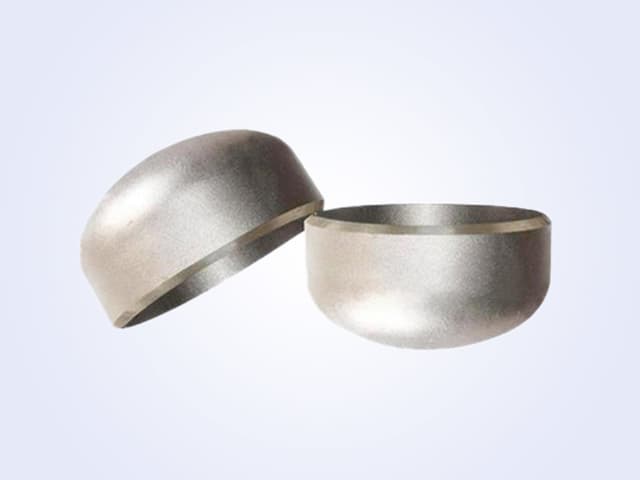
Carbon Steel vs Stainless Pipe Schedules: How Buyers Prevent Wall-Thickness Errors
Carbon and stainless pipe schedules are not interchangeable. Compare ASME B36.10M vs B36.19M and use RFQ and inspection checks to prevent wall-thickness errors.