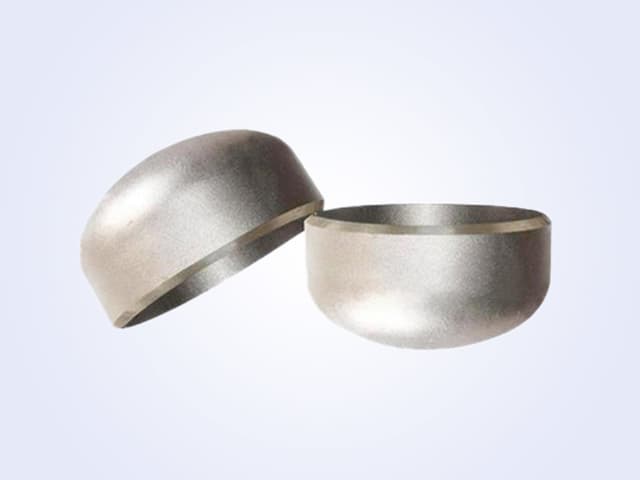
Why Packing Matters for Export Pipe Fittings
Export pipe fittings travel long distances by sea, road, and rail, often through humid or salty environments. Poor packing can lead to corrosion, mechanical damage, and costly delays. For EPC engineers and procurement managers, understanding the key standards and best practices for packing is essential to ensure that fittings arrive in specification.
Two documents are particularly relevant: ASTM D3951 for commercial packaging and the IMO/ILO/UNECE CTU Code for container packing and securing. This guide explains what each covers, how to apply them, and what to verify before shipment.
ASTM D3951: Minimum Commercial Packaging Requirements
ASTM D3951 is a standard practice that establishes minimum requirements for commercial preservation, packaging, packing (exterior container), unitization, and marking of supplies and equipment. It is designed for multiple handling and shipment by any mode, and for storage periods of at least one year in enclosed facilities without degradation or damage.
Key points from the standard:
- It covers items intended for immediate use, not-mission-capable supply, depot operational consumption, small parcel shipments, and direct vendor deliveries (CONUS only).
- It applies to shipments excluding ammunition, explosives, or hazardous materials (covered by Title 49 CFR).
- It specifies inch-pound units as standard.
Important caveat: The standard states that planned storage exceeding one year requires more than minimum physical and mechanical protection. If your project involves long-term warehousing, you must specify enhanced preservation.
Note for buyers: The ASTM page shows D3951-18 as a historical standard. Always confirm the current edition and revision status in your contract. The active version may have updates.
CTU Code: Packing and Securing Cargo Transport Units
The IMO/ILO/UNECE Code of Practice for Packing of Cargo Transport Units (CTU Code) is a non-mandatory global code that provides guidance for packing and securing cargo in containers and other intermodal transport units. It applies throughout the entire intermodal transport chain and is intended for those who pack, receive, and unpack units.
The CTU Code addresses:
- Safe stowage and securing of cargo to prevent movement during transport.
- Training of personnel involved in packing and unpacking.
- Packing of dangerous goods (though pipe fittings are usually not dangerous).
- Due diligence in selecting CTU service providers (see MSC.1/Circ.1531).
While the CTU Code is not mandatory, it is widely recognized as best practice. Following it helps reduce risks of cargo damage, container damage, and even accidents.
Corrosion Protection: What to Specify
Pipe fittings, especially carbon steel, are prone to corrosion during transit. A robust corrosion protection plan includes:
- Preservation: Apply appropriate rust preventatives, such as VCI (Vapor Corrosion Inhibitor) paper, oil, or other coatings. The choice depends on material, route, and storage duration.
- Packaging: Use moisture-barrier bags or wraps, desiccants, and cushioning materials.
- Exterior packing: Use wooden crates, cartons, or pallets that provide mechanical protection and facilitate handling.
Caution: There is no universal VCI duration or guarantee of corrosion-free arrival. The effectiveness depends on route, storage conditions, material, coating, humidity, and package integrity. Always validate with your supplier through testing or past performance.
Pre-Shipment Inspection Checklist
Before shipment, verify the following:
- Packing specification: Confirm that the packing method matches the contract and any applicable standards (e.g., ASTM D3951).
- Preservation: Check that corrosion protection is applied correctly and is appropriate for the expected transit time and conditions.
- Marking: Ensure all packages are marked with required information: product description, size, heat number, PO number, and handling symbols.
- Unitization: Verify that packages are properly palletized or unitized for efficient handling and to prevent movement.
- Container loading: If using containers, ensure they are clean, dry, and free from damage. Follow CTU Code guidance for securing cargo.
- Documentation: Review packing lists, certificates, and any inspection reports.
Common Risks and How to Mitigate
- Corrosion due to inadequate preservation: Specify preservation methods that match the transit route and duration. For long storage, require enhanced protection.
- Mechanical damage from poor securing: Follow CTU Code guidelines for lashing and bracing.
- Moisture ingress: Use desiccants and moisture barriers, and ensure containers are watertight.
- Non-compliance with contract: Ensure the packing standard is clearly stated in the RFQ and purchase order.
Procurement and RFQ Inputs
When requesting quotes, include:
- Packing standard: e.g., "Packing per ASTM D3951, current edition."
- Corrosion protection requirements: e.g., "VCI paper and desiccant for 6-month sea transit."
- Export packing details: e.g., "Plywood crates, palletized, with ISPM-15 marking."
- Marking requirements: e.g., "Mark each package with heat number and PO."
- Inspection requirements: e.g., "Pre-shipment inspection by third party."
Conclusion
Proper export packing is not just about wrapping; it is a critical part of ensuring product integrity and project success. By referencing ASTM D3951 and the CTU Code, and by specifying clear requirements, you can minimize risks and ensure your pipe fittings arrive ready for installation.
For more information on pipe fittings and flanges, visit our products page or contact us for specific packing requirements.
Sources
- https://www.astm.org/d3951-18.html
- https://www.imo.org/en/ourwork/safety/pages/ctu-code.aspx
4時間で見積
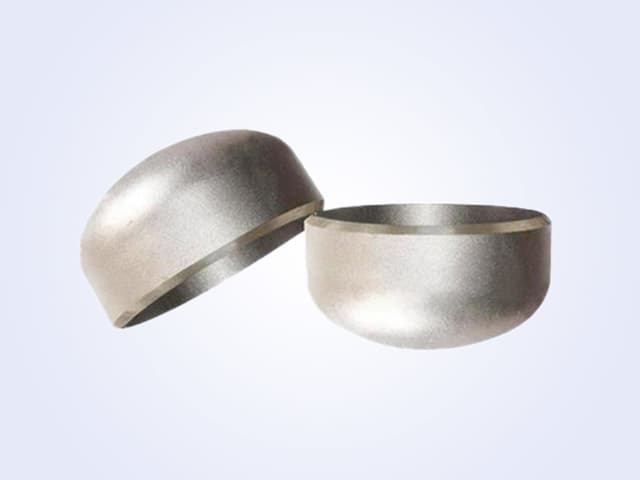
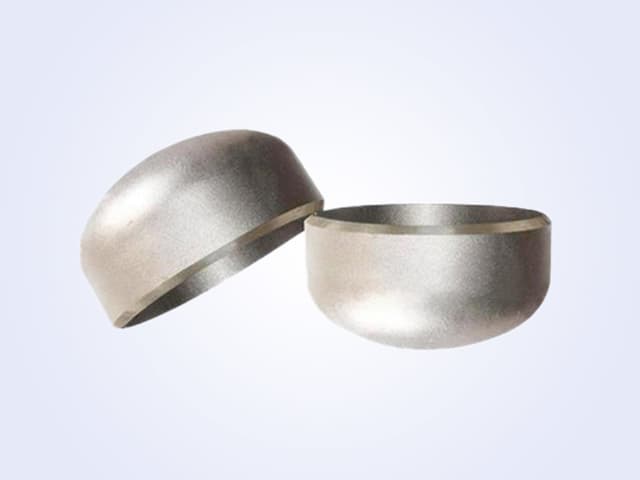
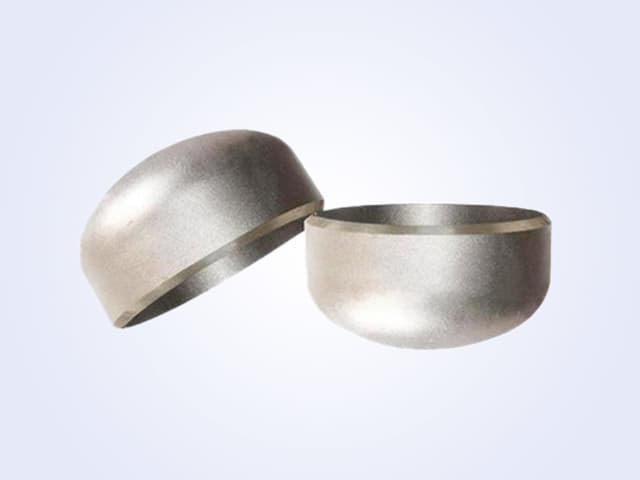
本記事で取り上げた製品
見積もりが必要ですか?仕様をお送りいただければ、4営業時間以内にご回答いたします。
関連記事
 購入ガイド
Duplex Stainless Fitting RFQ Checklist: ASTM A815 and A923
Specifying duplex stainless fittings requires more than grade and size. This guide explains ASTM A815 fitting classes, ASTM A923 intermetallic phase testing, and the RFQ details EPC buyers must define to avoid costly mismatches.
 購入ガイド
NDT Personnel Certificate Review: Method, Level, Sector and Scope
Verifying NDT personnel certificates is more than checking a name and expiry date. This guide explains the key elements—method, level, sector, and scope—and highlights the differences between ISO 9712, ASNT 9712, ASNT NDT, and employer-based SNT-TC-1A certifications.
 購入ガイド
How to Review WPS, PQR and Welder Qualification Documents
A practical guide for EPC engineers and procurement managers on reviewing welding procedure specifications (WPS), procedure qualification records (PQR), and welder certificates, with key checks and common pitfalls.