The reported figures are a scale statement, not an order
PipeChina started construction of the Heihe–Daqing natural gas pipeline on 26 August 2026 in Sunwu County, Heilongjiang. The reports give a length of 578.3 km, a design pressure of 12 MPa, a route through four cities and ten counties, a connection to the planned Daqing–Changling pipeline, and a rise in the "north gas southbound" corridor capacity from 380 to 480 billion cubic metres a year once the line is in service. Those figures are enough to classify the project and to reason about the fitting families it will need. They are not enough to place an order, because diameter, wall thickness, material grade and the specification editions are all outside what has been published.
What the twelve megapascals decide
Design pressure is the single most consequential number a fitting supplier can be given, because it drives wall thickness, and wall thickness drives the fitting's rating, its weight and its inspection regime. A 12 MPa gas transmission line sits in the class where the line pipe specification and the fittings specification have to be quoted together, with editions named, and where the material's toughness requirement at low temperature stops being an afterthought — the route runs through Heilongjiang, and commissioning takes place in winter conditions.
| Reported figure | What it fixes | What it does not fix |
|---|---|---|
| 578.3 km | Project scale and the number of tie-ins | Diameter or wall thickness |
| 12 MPa design pressure | Pressure class family | Pipe grade under GB/T 9711-2023 |
| Four cities, ten counties | Route complexity and access | Station count or valve spacing |
| 380 to 480 billion m³/yr corridor capacity | Corridor level, not line level | The new line's own throughput |
The last row matters in procurement discussions. The corridor capacity rise is a system figure; it is not the throughput of this pipeline, and using it to size station equipment would be a category error.
Which standards the order will cite
Two documents sit behind the order. GB/T 9711-2023, the specification for line pipe for pipeline transportation systems in the petroleum and natural gas industries, was issued on 27 November 2023 and took effect on 1 March 2024, replacing the 2017 edition; the line pipe grade comes from it. GB/T 34275-2024, the pressure piping code for transmission pipelines, was issued and took effect on 31 December 2024; it is the design code that sets how the line is engineered, and therefore what the fittings have to satisfy.
A fitting inquiry that names both, with editions, has done most of the work. An inquiry that names only "pipeline fittings" leaves the supplier to guess which design code applies, and the guess will be wrong on at least one of grade or thickness.
Where the fittings actually concentrate
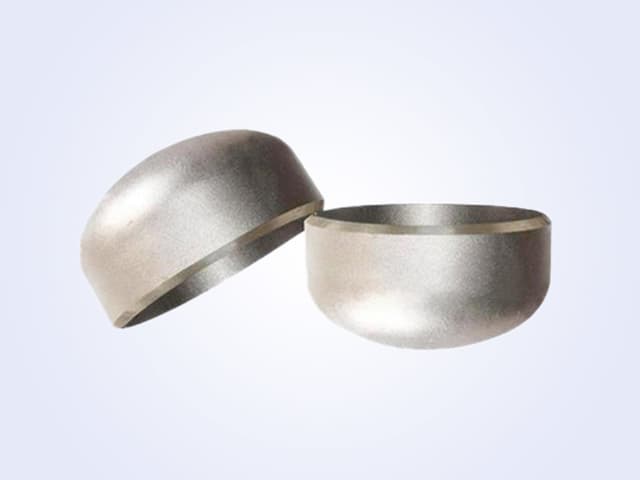
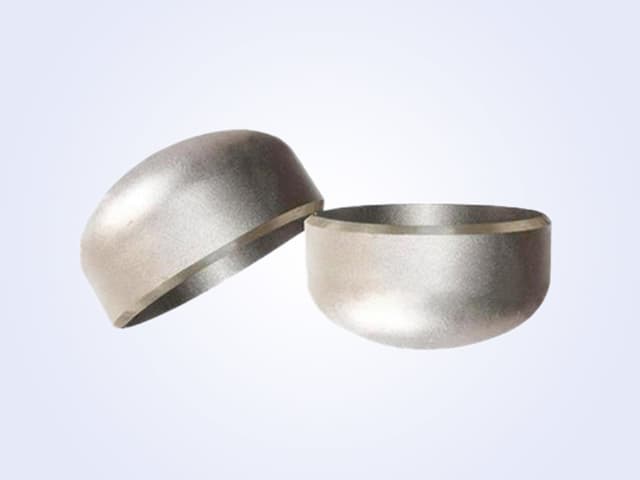
On a transmission line of this length, the fitting population is not evenly spread. It concentrates at the compressor stations, the valve chambers, the metering stations and the tie-ins where the new line meets the existing network — the connection to the planned Daqing–Changling line is one such point, and the corridor tie-in another. At those locations the components are butt-welding fittings in the line grade, plus flanged connections where equipment interfaces require them.
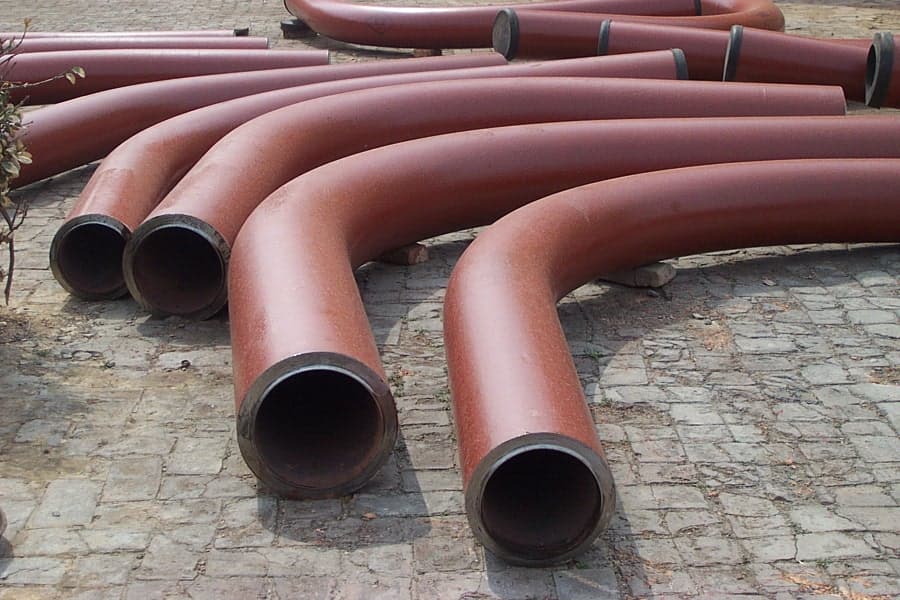
The rest of the line consumes bends and cold field bends rather than catalogue elbows, which is a distinction worth keeping in the inquiry: a bend made to a bend radius on the drawing is a different product from a 1.5D elbow, and mixing the two in one requisition is a common source of dimensional disputes.
What to ask for first
- The line pipe specification edition and the pipe grade.
- Diameter and wall thickness schedule along the route, since a long line can step down.
- The design code edition, with the sections that govern fittings.
- The split between catalogue fittings, induction bends and cold field bends.
- Low-temperature toughness requirements and the test temperature basis.
- Coating and field joint requirements, referenced to the project specification.
Where any of these is not yet published, the honest position is to mark it open and request the design basis, rather than to fill the gap with a figure from a similar project. Similar projects are exactly where wrong defaults come from.
- Product family: straight tees and crosses
- Bends: pipe bends
- Send the line data: inquiry
Sources
4時間で見積
本記事で取り上げた製品
見積もりが必要ですか?仕様をお送りいただければ、4営業時間以内にご回答いたします。
関連記事
 導入事例
Sichuan–East Gas Pipeline II: What a 4,269 km Trunk Line Means for Bends and Fittings
The 4,269 km length and the 2026 welding target are public. Diameter, design pressure and steel grade are not. How to read the three standards behind bends and fittings.
 導入事例
Payara and the Prosperity FPSO: A Guyana Offshore Piping Reference
ExxonMobil's Payara development and the Prosperity FPSO mark a major milestone in Guyana's offshore oil production. This case study reviews the project's public facts and outlines what piping procurement professionals should verify when referencing such projects.
 導入事例
Sparta High-Pressure Deepwater Development: A Procurement Risk Reference
Shell's Sparta project in the U.S. Gulf of Mexico exemplifies the extreme demands of high-pressure deepwater developments. This case study outlines procurement risks and verification steps for EPC engineers and buyers, without claiming any involvement by Hebei Haihao Group.