Understanding ASME B16.39 Scope
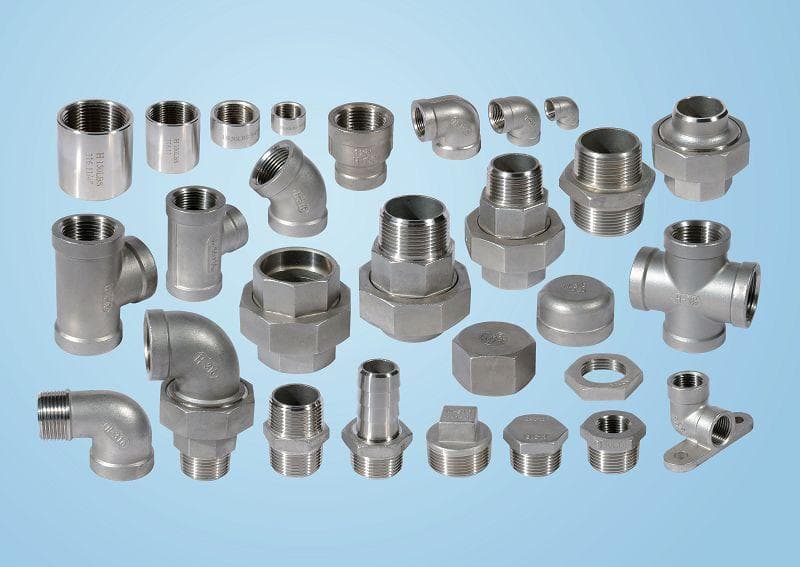
ASME B16.39 is the standard for malleable iron threaded pipe unions in Classes 150, 250, and 300. It defines requirements for design, pressure-temperature ratings, size, marking, materials, joints and seats, threads, hydrostatic strength, tensile strength, air pressure testing, sampling, coatings, and dimensions. The standard also includes provisions for using steel for NPS 1/8 unions.
This standard is essential for piping systems that require frequent disconnection for maintenance or cleaning. Unlike welded fittings, unions allow quick assembly and disassembly without cutting the pipe. However, their threaded connections and sealing mechanisms demand careful specification and inspection.
Key Requirements in ASME B16.39
Classes and Ratings
ASME B16.39 defines three pressure classes: 150, 250, and 300. These class designations are based on the standard's own pressure-temperature ratings, not on ASME B16.5 flange classes. Do not assume a Class 300 union has the same pressure rating as a Class 300 flange. Always consult the specific tables in the standard for the ordered edition.
Materials and Construction
The standard specifies malleable iron as the primary material. For NPS 1/8 unions, steel is permitted. The material must meet the chemical and mechanical requirements referenced in the standard. Buyers should verify that the material test certificates (MTCs) align with the specified grade and heat treatment.
Threads
Threads must conform to ASME B1.20.1 for general-purpose inch pipe threads (NPT, NPSC, NPSM, NPSL). This standard covers dimensions and gaging of these threads. Ensure that the thread form, taper, and gaging requirements are met. For unions, the threads are typically NPT on the ends and NPSM or NPSL on the union nut and seat connections.
Joints and Seats
The standard defines requirements for the joint design and seating surfaces. The seat must provide a leak-tight seal under the specified pressure and temperature. The design of the joint (e.g., metal-to-metal or with a gasket) must be suitable for the service conditions.
Testing Requirements
ASME B16.39 mandates several tests:
- Hydrostatic strength test: Each union must withstand a specified internal pressure without leakage or rupture.
- Tensile strength test: The union must meet minimum tensile strength requirements.
- Air pressure test: A pneumatic test to verify the integrity of the joint and seat.
- Sampling: The standard specifies sampling plans for inspection.
These tests are critical for ensuring the union's reliability in service. Buyers should require test certificates and, if necessary, witness testing at the manufacturer's facility.
Procurement Checklist for ASME B16.39 Unions
When sourcing malleable iron threaded unions, include the following in your RFQ and inspection plan:
- Specify the standard and edition: Clearly state "ASME B16.39-2025" or the specific edition you require. The standard is currently in stabilized maintenance, so the latest edition remains in effect.
- Class and size: Indicate the class (150, 250, or 300) and nominal pipe size (NPS). For NPS 1/8, confirm whether steel is acceptable.
- Material requirements: Specify malleable iron grade (e.g., ASTM A197) or steel for NPS 1/8. Request MTCs per EN 10204 3.1 or 3.2.
- Thread standard: Reference ASME B1.20.1 for thread dimensions and gaging.
- Testing requirements: Specify hydrostatic, tensile, and air pressure tests. Decide if you require third-party witnessing.
- Marking: Ensure each union is marked per the standard (e.g., manufacturer's name, class, size).
- Coatings: Specify any required coating (e.g., galvanized, epoxy) and its standard.
Inspection and Documentation Points
- Visual inspection: Check for surface defects, proper marking, and coating integrity.
- Dimensional inspection: Verify critical dimensions such as end-to-end length, thread size, and seat dimensions using calibrated gauges.
- Thread gaging: Use NPT and NPSM/NPSL gages to confirm thread conformity.
- Test certificates: Review hydrostatic and air pressure test reports. Ensure they include the test pressure, duration, and results.
- Material certificates: Verify that the chemical composition and mechanical properties match the specified grade.
Common Risks and How to Mitigate Them
- Misinterpreting class ratings: As mentioned, union classes are not equivalent to flange classes. Always refer to the standard's pressure-temperature tables.
- Thread damage: Threads can be damaged during handling or installation. Inspect threads before installation and use proper thread sealants.
- Seat leakage: The seat is the most critical sealing surface. Ensure it is clean and undamaged. Consider using a union with a renewable seat if service conditions are severe.
- Material substitution: Some manufacturers may substitute materials without approval. Require MTCs and, if necessary, perform PMI (positive material identification) on incoming material.
Why Choose Haihao Group for Pipe Unions?
At Hebei Haihao Group, we understand the importance of standards compliance. Our products include a wide range of pipe fittings and flanges manufactured to international standards. For inquiries about malleable iron unions or other piping components, please contact us. Our team can provide documentation and support to ensure your procurement meets ASME B16.39 requirements.
Sources
4시간 내 견적
이 기사에서 다룬 제품
견적이 필요하신가요? 사양을 보내주시면 4영업시간 내에 답변드립니다.
관련 읽을거리
 표준
표준ASME B16.3 Malleable Iron Threaded Fittings: Scope and Classes
ASME B16.3 covers malleable iron threaded fittings in Classes 150 and 300, including ratings, dimensions, threading, and coatings. This guide explains the standard's scope, key requirements, and procurement checks for EPC engineers and buyers.
 표준
표준ASME B16.14 Pipe Plugs, Bushings and Locknuts Explained
ASME B16.14 covers ferrous pipe plugs, bushings, and locknuts with pipe threads, including ratings, dimensions, materials, and marking. This guide explains the standard's scope, key differences from ASME B1.20.1, and what buyers must verify to avoid specification errors.
표준ASME B16.1 Gray Iron Flanges: Classes 25, 125 and 250
ASME B16.1 covers gray iron flanges and flanged fittings in Classes 25, 125, and 250. This guide explains what the standard includes, how it differs from ductile iron (B16.42), and what buyers must verify when sourcing gray iron flanges.