Understanding Forged Pipe Fittings
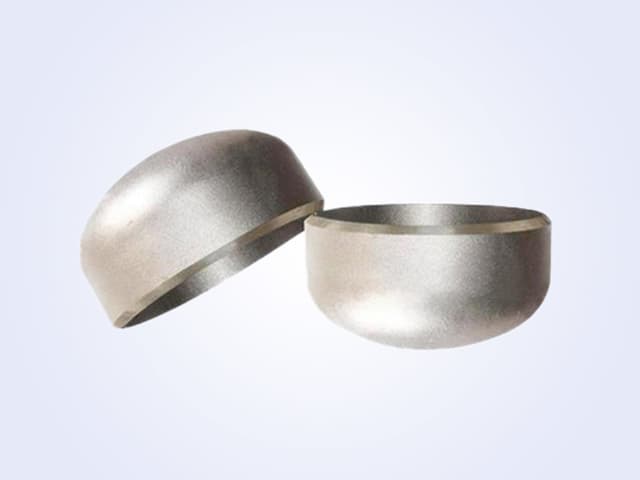
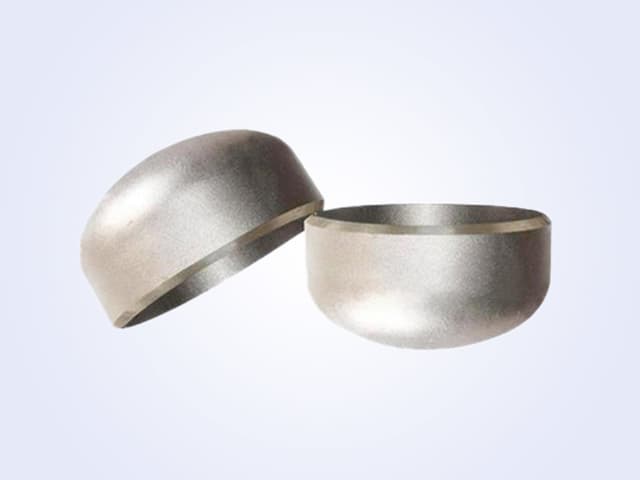
Forged pipe fittings are critical components in piping systems, especially for high-pressure, high-temperature, or corrosive environments. Unlike cast fittings, forged fittings are produced by hammering or pressing steel into the desired shape, which refines the grain structure and improves mechanical properties. They are commonly used in oil and gas, chemical, power generation, and marine industries.
Key Standards and Specifications
When procuring forged pipe fittings, always verify compliance with international standards. The most common are:
- ASME B16.11: Forged fittings – sockets, threaded, and butt-weld ends.
- ASME B16.9: Factory-made wrought buttwelding fittings (for larger sizes, though forged fittings are typically smaller).
- ASTM A105: Standard specification for carbon steel forgings for piping applications.
- ASTM A182: Standard specification for forged or rolled alloy steel pipe flanges, forged fittings, and valves.
- MSS SP-79, MSS SP-83, MSS SP-95: Additional standards for socket-welding and threaded fittings.
Make sure to specify the material grade, pressure class (Class 3000, 6000, 9000), and end type (socket weld or threaded).
Material Grades and Their Applications
Different service conditions require different materials. Common grades include:
| Material Grade | Typical Application |
|---|---|
| A105 | Carbon steel for general service up to moderate temperatures |
| A182 F304/F316 | Stainless steel for corrosive or high-temperature environments |
| A182 F11/F22 | Chrome-moly alloys for high-temperature, high-pressure service |
| A350 LF2 | Low-temperature carbon steel for cryogenic service |
Always cross-check the material certificate against the required standard.
Quality Risks and How to Mitigate Them
Forged fittings can suffer from defects if not manufactured properly. Common risks:
- Laminations or inclusions: Result from poor billet quality. Insist on ultrasonic testing (UT).
- Incorrect heat treatment: Can lead to inadequate hardness or toughness. Require heat treatment reports.
- Dimensional variations: Especially on thread or socket dimensions. Use gauges during inspection.
- Surface cracks: Visual inspection and dye penetrant testing (PT) or magnetic particle testing (MT) for ferrous materials.
Request a quality plan that includes positive material identification (PMI), dimensional checks, and non-destructive testing (NDT).
Inspection and Documentation Checklist
Before accepting a shipment, verify the following documents:
- Material test certificates (MTC) to ASME or EN standards
- Heat treatment charts and reports
- Dimensional inspection reports
- NDT reports (UT, PT, MT as applicable)
- Mill test certificate for the raw material
- Traceability records from melt to final product
If the fittings are for critical service, consider third-party inspection.
RFQ Checklist: What to Send to Suppliers
To get accurate quotations, include these details in your request for quote (RFQ):
- Quantity and size range: Nominal pipe size (NPS) and schedule.
- Type of fitting: Elbow, tee, coupling, cap, etc.
- End connection: Socket weld, threaded, or butt weld.
- Material specification: ASTM grade and any supplementary requirements.
- Pressure class: Class 3000/6000/9000.
- Standards: ASME B16.11 or other applicable.
- Certification requirements: Full traceability, NDT, etc.
- Surface finish: Black, galvanized, or painted.
- Packaging and marking: Seaworthy packing, stenciling or tagging.
- Delivery terms: Incoterms and lead time.
Providing complete information helps suppliers quote accurately and reduces the risk of non-conformance.
Conclusion
Forged pipe fittings are essential for safe and durable piping systems. By adhering to recognized standards, selecting proper materials, and demanding thorough documentation, you can ensure the quality of your procurement. Always work with reputable manufacturers who can provide traceability and consistent quality.
For your next project, consider Hebei Haihao Group for reliable forged fittings. With decades of experience, we supply ASME/ANSI and DIN standard fittings with full certification. To receive a fast, comprehensive quotation, send us your RFQ including the details above.
Need a quote for the products mentioned in this article?
Submit your specs and our pressure piping team will respond within one business day.
Send RFQQuote in 4 hours
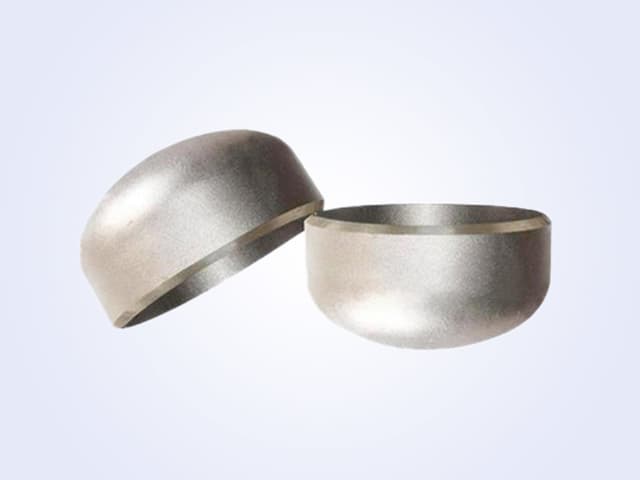
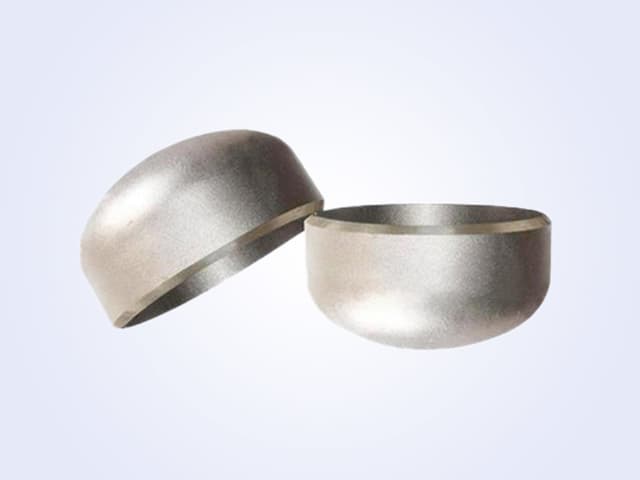
Products covered in this article
Sourcing any of these? Send the spec and our pressure-piping desk replies within 4 business hours.
Related reading
 Buyer guide
NPT Threaded Fitting Inspection: B1.20.1 Gauging and RFQ Controls
Learn how to inspect NPT threaded fittings per ASME B1.20.1 and B16.11, including gauging, RFQ inputs, and documentation checks for EPC buyers.
 Buyer guide
ASME B31.1 Replacement Piping Spools: A Component Specification Guide
Specifying replacement piping spools for power plants requires careful alignment with ASME B31.1 and B16.9. This guide covers key procurement checks, RFQ inputs, and inspection points to ensure code compliance and safe operation.
 Buyer guide
Orifice Flange RFQ Checklist: B16.36 Details Buyers Often Miss
ASME B16.36 orifice flanges have unique requirements beyond B16.5. This guide covers scope, procurement checks, inspection points, and common risks to help EPC engineers and buyers specify correctly.