When a power plant needs replacement piping spools, the engineering and procurement team faces a task that is more complex than simply ordering standard fittings. The governing code, ASME B31.1, sets minimum requirements for design, materials, fabrication, erection, test, examination, inspection, operation, and maintenance of power piping systems. This guide focuses on the component specification aspects for replacement spools, helping you navigate the interface between B31.1 and the fitting standard ASME B16.9.
Understanding the Code Landscape
ASME B31.1 is the code that applies to piping systems in electric power generating stations, industrial and institutional plants, geothermal heating, and district heating/cooling systems. It also covers boiler-external piping for power boilers and high-temperature water systems. When you are replacing a spool, you must ensure that the new components meet the same design conditions as the original system, including pressure, temperature, and service.
ASME B16.9 covers factory-made wrought buttwelding fittings from NPS 1/2 through NPS 48 (DN 15 through DN 1200), for any producible wall thickness. This standard provides dimensions, tolerances, ratings, testing, and marking requirements. It is intended to be used with other ASME standards, including the B31 piping codes. For replacement spools, you will typically specify fittings that comply with B16.9, but you must also verify that they are suitable for the B31.1 design conditions.
Key Differences Between B31.1 and B31.3
A common mistake is to apply ASME B31.3 (process piping) acceptance rules to power piping. While both codes share some principles, B31.1 has specific requirements for power piping, such as material selection, allowable stresses, and testing. The 2024 edition of B31.1 includes new mandatory appendices on quality management and documentation for metallic nonboiler external piping, which may affect your replacement spool procurement. Always check the applicable edition of B31.1 and the plant owner's specification, as these may be more stringent than the code minimums.
Material and Design Inputs
Before you can specify a replacement spool, you need to gather critical inputs:
- Design conditions: pressure, temperature, and any dynamic loads (wind, earthquake) as per B31.1.
- Material of construction: original material specification and grade, plus any requirements for impact testing, hardness, or corrosion resistance.
- Service history: if the original spool failed, you need to understand the failure mechanism to avoid repeating it.
- Weld procedures: the spool may need to be welded to existing piping; the weld procedure must be qualified for the material and service.
These inputs are project-specific and must be provided by the owner or engineer. Do not assume them from the code alone.
Specifying Fittings per B16.9
When ordering buttwelding fittings for the spool, you should specify:
- Size and schedule: nominal pipe size and wall thickness (schedule number or actual thickness).
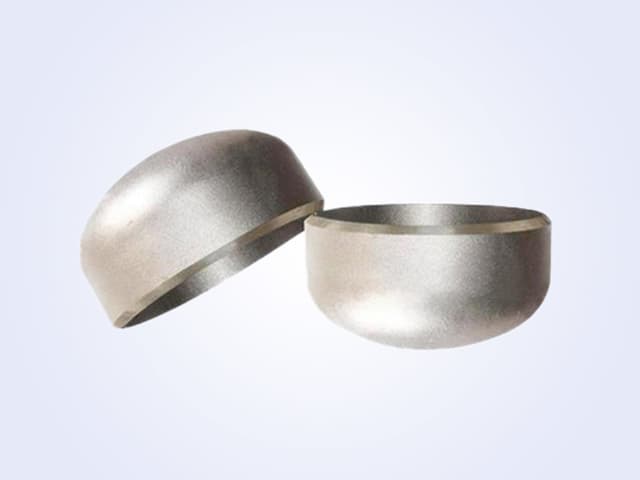
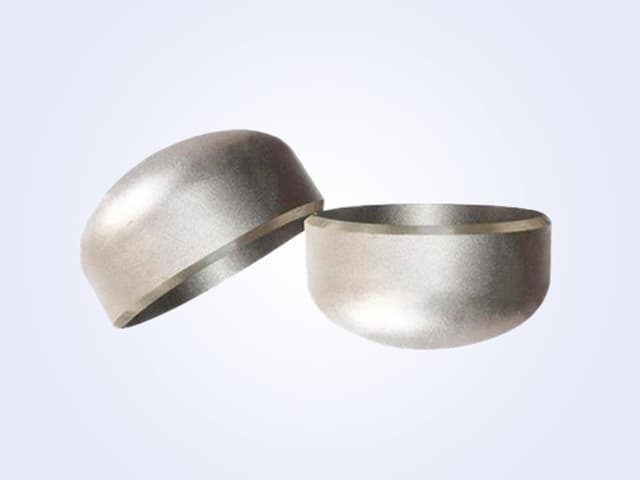
- Fitting type: elbow, tee, reducer, cap, etc., with end connections (buttweld).
- Material specification: ASTM or ASME material specification, grade, and heat treatment condition.
- Standard: ASME B16.9 for dimensions and tolerances.
- Marking: per B16.9, which includes manufacturer's name, size, schedule, material, and heat number.
B16.9 also covers short radius elbows and returns, which were previously in B16.28. If you need these, ensure they are specified correctly.
Procurement Checks and RFQ Inputs
When you issue an RFQ for replacement spools, include the following:
- Code and edition: e.g., ASME B31.1-2024.
- Fitting standard: ASME B16.9-2024.
- Material specification: complete with grade and any supplementary requirements (e.g., impact testing).
- Design conditions: pressure, temperature, and any special loads.
- End preparation: bevel type per ASME B16.25 (if not already specified).
- Testing requirements: e.g., hydrostatic test, NDT, PMI.
- Documentation: mill test certificates, material test reports, and any required code reports.
Also, verify that the manufacturer is qualified to produce fittings to B16.9 and has experience with power piping applications. Ask for their quality manual and any relevant certifications.
Inspection and Documentation Points
During manufacturing and before shipment, you should perform inspections:
- Dimensional inspection: check critical dimensions per B16.9, such as outside diameter, wall thickness, and end-to-end dimensions.
- Visual inspection: for surface defects, weld quality (if applicable), and marking.
- Material verification: positive material identification (PMI) for alloy materials.
- Testing: if required, witness hydrostatic tests or review test reports.
- Documentation review: ensure that all certificates are complete and accurate, including heat numbers and test results.
For B31.1 compliance, you may need to provide documentation as per the code's requirements, especially for nonboiler external piping. The new appendices in the 2024 edition emphasize documentation and records, so be prepared to submit a documentation package.
Common Risks and How to Mitigate
- Using wrong code: Applying B31.3 instead of B31.1 can lead to under-specified components. Always confirm the applicable code.
- Incomplete material data: Without full material traceability, you risk using a substitute material that is not suitable for the service.
- Incorrect dimensions: Fittings that do not match the existing piping dimensions will cause fit-up problems. Always verify field measurements.
- Weld procedure issues: The spool may need to be welded to existing pipe; ensure the WPS is qualified for the material and service conditions.
- Documentation gaps: Missing MTCs or test reports can delay project acceptance. Specify documentation requirements upfront.
Conclusion
Replacement piping spools for power plants require careful specification to meet ASME B31.1 and B16.9. By gathering the right design inputs, specifying fittings correctly, and performing thorough inspections, you can ensure safe and reliable operation. For more information on power plant piping components, visit our power plant piping parts page. If you need prefabricated spools, our prefabricated piping and installation services can help.
Sources
- https://www.asme.org/codes-standards/find-codes-standards/b31-1-power-piping
- https://www.asme.org/codes-standards/find-codes-standards/b16-9-factory-made-wrought-buttwelding-fittings
¿Necesita una cotización para los productos de este artículo?
Envíe sus especificaciones y nuestro equipo responderá en un día hábil.
Solicitar cotizaciónCotización en 4 horas
Productos tratados en este artículo
¿Necesita cotización? Envíe sus especificaciones y respondemos en 4 horas hábiles.
 Reducción
 Reducción
ASTM A234 WPB/WP11/WP22; A403 WP304/WP316; A420 WPL6; carbon, alloy, stainless
 Reducción
ASTM A234 WPB/WP11/WP22; A403 WP304/WP316; A420 WPL6; carbon, alloy, stainless
Lecturas relacionadas
 Guía de compra
Orifice Flange RFQ Checklist: B16.36 Details Buyers Often Miss
ASME B16.36 orifice flanges have unique requirements beyond B16.5. This guide covers scope, procurement checks, inspection points, and common risks to help EPC engineers and buyers specify correctly.
 Guía de compra
Hydrogen Piping Components: What an ASME B31.12 RFQ Must Define
ASME B31.12 governs hydrogen piping and pipelines. This guide explains what EPC engineers and procurement managers must specify in an RFQ for seamless pipes and socket-weld forged fittings, covering code parts, material verification, and inspection requirements.
 Guía de compra
Buttweld Spool Fit-Up: Coordinating ASME B16.9 Fittings and B16.25 Ends
Learn how to coordinate ASME B16.9 fittings with B16.25 bevel ends for reliable buttweld spool fit-up. Includes procurement checks, inspection points, and common risks.